
Last updated November 4, 2026
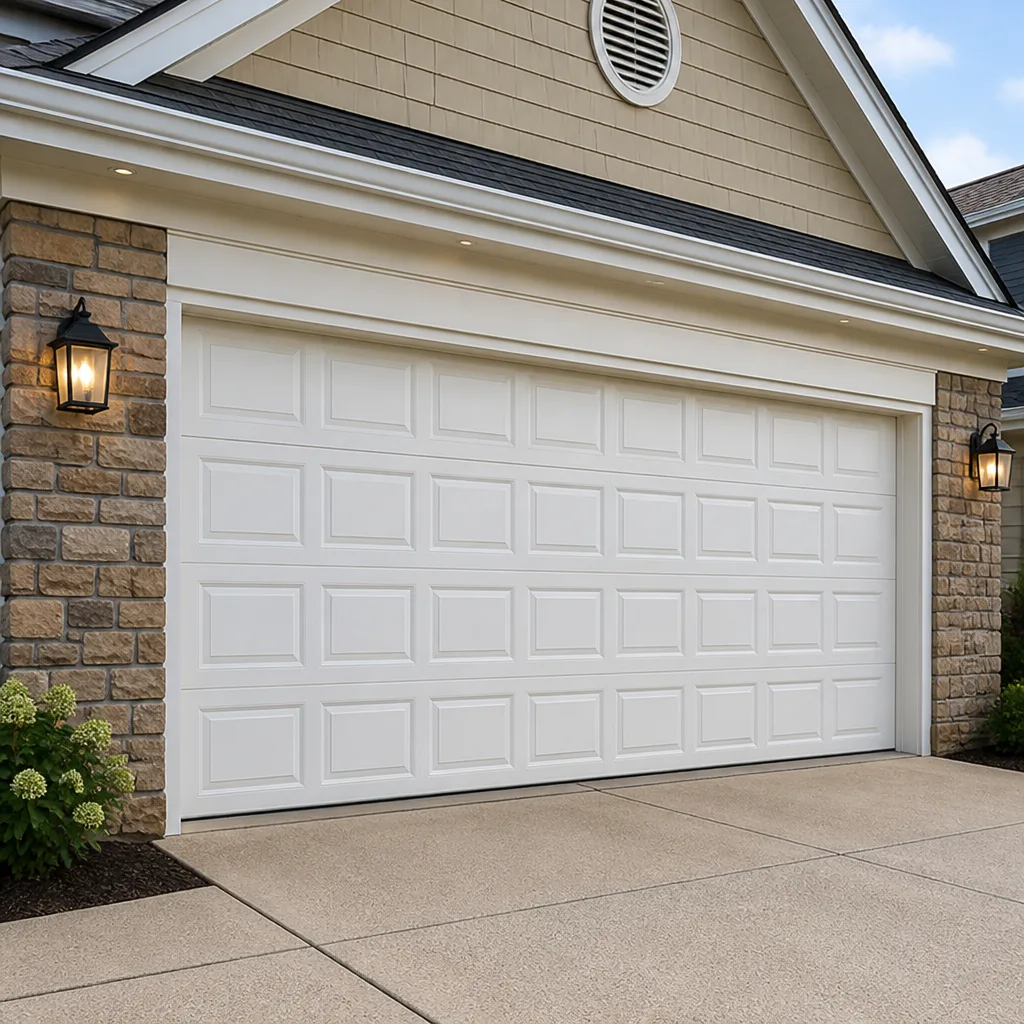 Raised-panel steel
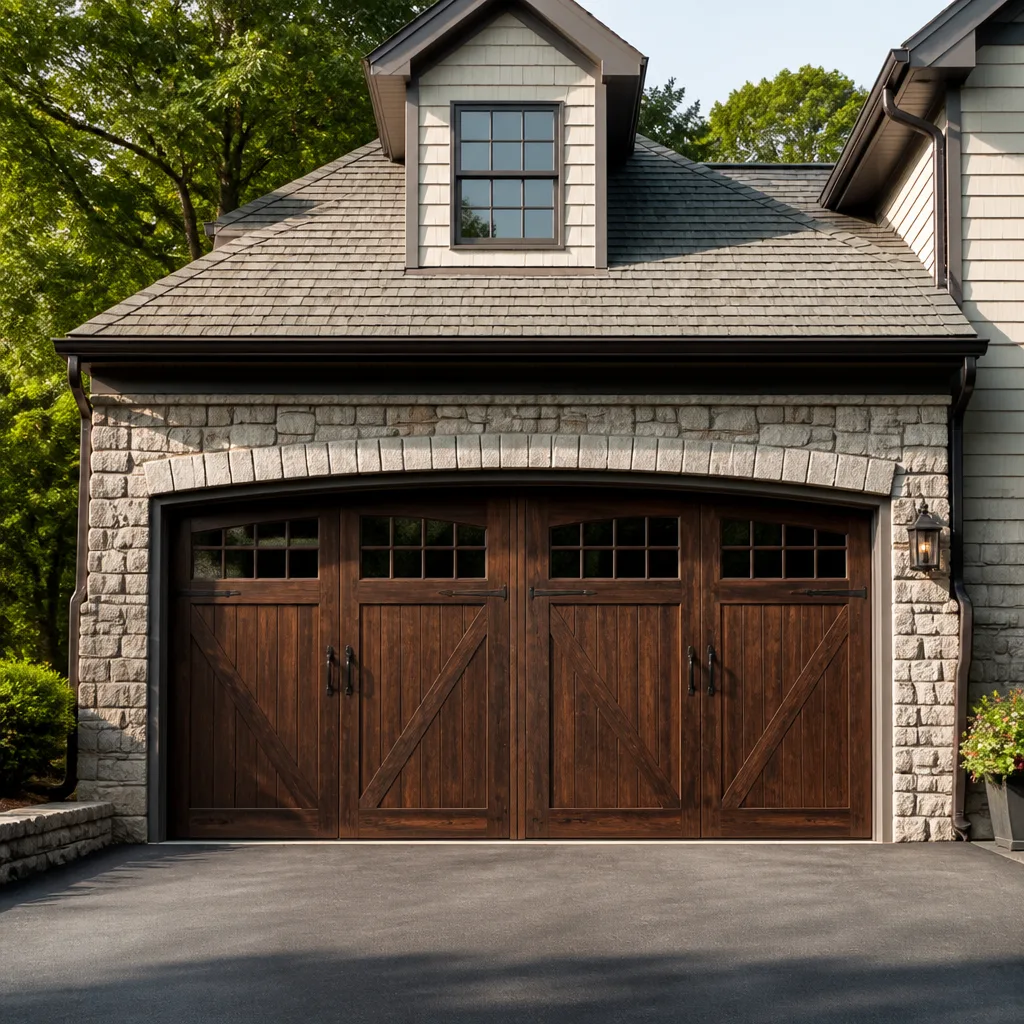 Carriage house
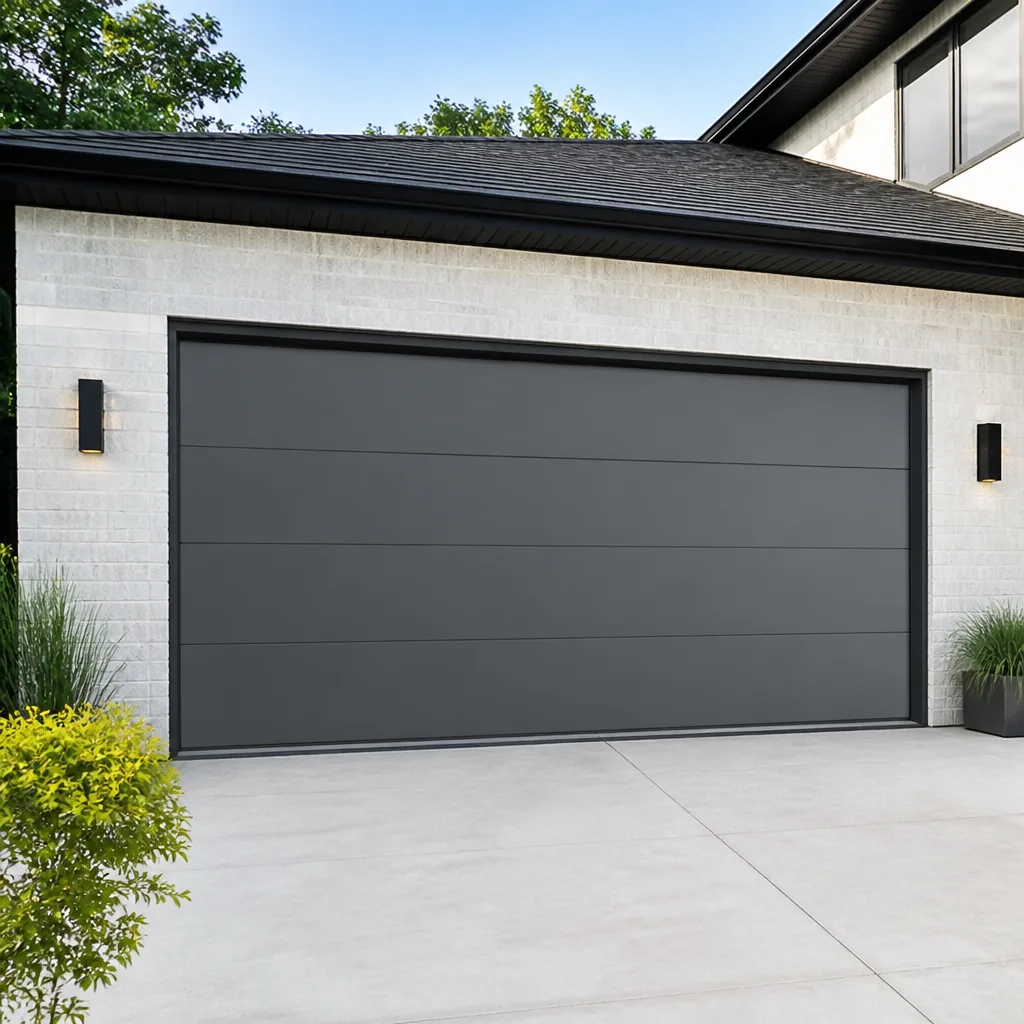 Modern flush
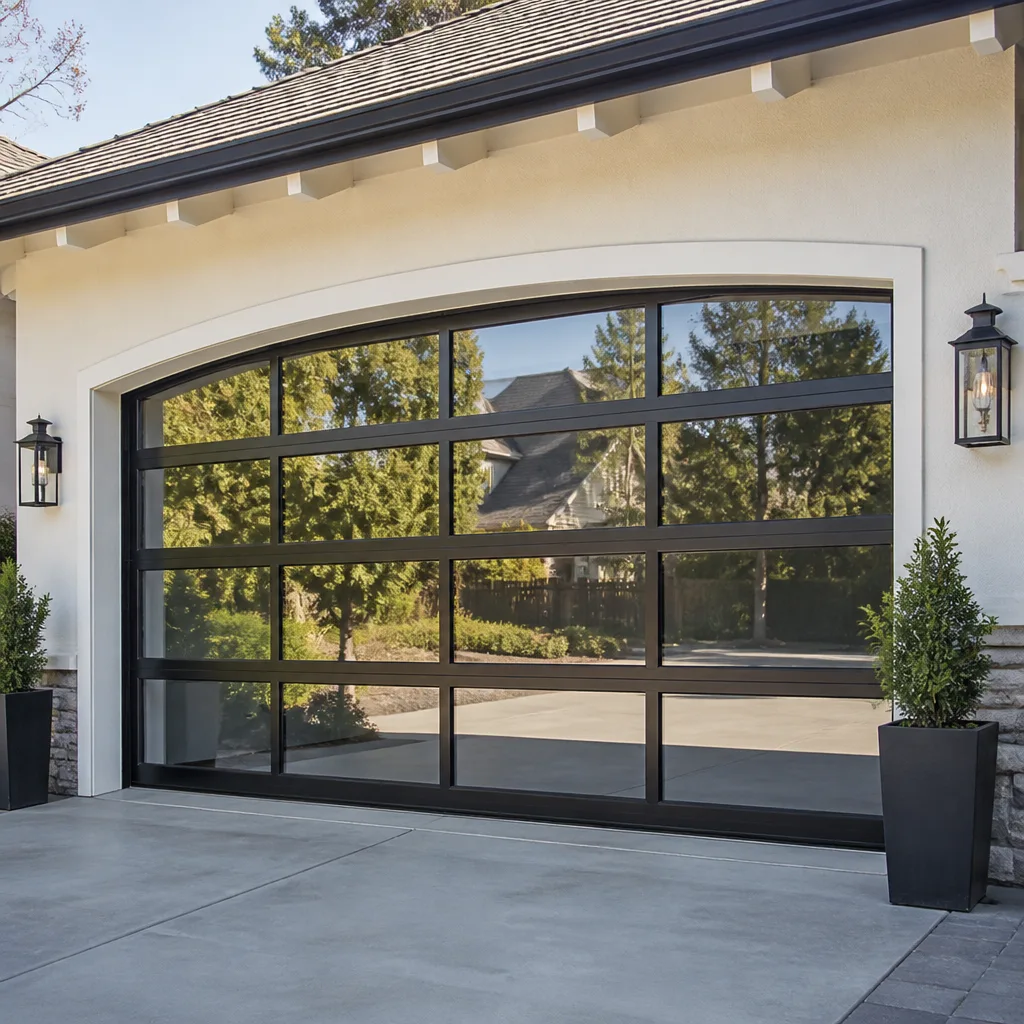 Full-view glass
 LiftMaster openers
 Chamberlain openers
Full 25-point door and opener safety check with every visit - springs, cables, rollers, tracks, and your LiftMaster or Chamberlain opener included
You get a price before we start. It does not change when the truck arrives.
Get your free estimateGarage Door Warning Signs: A La Habra Homeowner’s Reference Guide
Most garage door guides list symptoms like a dictionary of noises. This one translates what those symptoms actually mean under the cover, so you can tell a sensor issue from a spring issue before a technician even arrives. A door that reverses before touching the ground is almost never a broken photo eye, for example. It’s usually a close-limit setting that drifted out of position, a two-minute adjustment for anyone who knows where the dials sit. Knowing the difference can spare you a service call, or worse, a bill for a part that didn’t need replacing. Here’s what La Habra homeowners should watch for, and what each warning sign really tells you about the machinery behind the panel.
Quick Answer
The most common garage door warning signs in La Habra are a door that reverses before closing, a grinding or squealing noise during travel, a door that sags on one side, slow or jerky movement, and an opener that runs but doesn’t move the door. A reversing door usually means a close-limit setting drifted, while grinding points to worn rollers or a tired motor. Sagging almost always means spring trouble, and that one is a safety stop: if a door sags or hangs unevenly, stop using it and call a professional.
Styles & brands we work with
- Raised-panel steel
- Carriage house
- Modern flush
- Full-view glass
- LiftMaster openers
- Chamberlain openers
Table of Contents
- Symptom to Cause: What Each Warning Sign Actually Means
- Immediate Safety Stops vs. Schedule-Soon Issues
- How to Describe a Garage Door Problem Precisely
- Warning Signs Specific to Older La Habra Homes
- Door Problem or Opener Problem? The Expensive Mix-Up
- A Field Guide to Garage Door Noises
- Movement Warnings: Hesitation, Jerking, and Drift
- When to Call a Professional
Symptom to Cause: What Each Warning Sign Actually Means
A garage door doesn’t fail all at once, usually. It gives notice: a sound, a hesitation, a visual clue you can spot from the driveway. The trick is reading those signs correctly. When you call a technician and describe a “broken door,” that could mean fifteen different things. The more precisely you can name the symptom, the better the first visit goes. Here’s the translation table we use every day in La Habra.
| Symptom | What Most People Assume | What It Usually Means | Urgency |
|---|---|---|---|
| Door reverses before touching the ground | Broken safety sensor | Drifted close-limit setting, or a track obstruction near the floor | Schedule soon |
| Grinding or metal-on-metal noise | Door needs oil | Worn rollers, dry bearings, or a failing opener gear | Schedule soon |
| Door sags or hangs unevenly | Track bent | Broken or badly worn spring, or a broken cable | Stop using now |
| Door jerks or shudders during travel | Opener motor problem | Rollers catching in the track, loose hardware, or an unbalanced door | Schedule soon |
| Opener runs but door doesn’t move | Opener burned out | Disconnected emergency release, stripped drive gear, or broken spring | Stop using now |
| Loud bang from inside the garage | Something hit the door | Spring snapped under tension | Stop using now |
| Door moves slowly | Old opener | Unbalanced door, binding track, or a spring losing tension | Schedule soon |
| Door opens a few inches and stops | Sensor misaligned | Spring failure or a travel-limit issue | Stop using now |
La Habra’s residential stock includes a lot of homes built from the 1950s through the 1980s. That matters because those garages often have doors with different hardware than what you’ll find in newer tract developments. A warning sign that means one thing on a modern sectional door means something else on a one-piece tilt-up. We’ll get into that below. The point here is that accurate symptom description saves time and money. When we know the exact behavior, we bring the right parts on the first truck roll instead of diagnosing blind.
Immediate Safety Stops vs. Schedule-Soon Issues
Not every garage door warning sign is an emergency. Some are. Knowing which is which protects your family and your car. In our experience across La Habra, homeowners tend to err in both directions: they ignore serious spring warnings because the door still opens, or they panic over a minor squeak that can wait until next week. Here’s a practical split.
Stop Using the Door Now
These are the signs that mean something load-bearing has failed or is about to. The garage door is the heaviest moving object in most homes. When its support system is compromised, operating the door is genuinely dangerous.
- A door that sags or hangs visibly lower on one side. This almost always means a spring has broken or lost tension. The remaining spring (if there is one) is now carrying double the load. It can fail at any moment.
- A loud bang from inside the garage, followed by the door refusing to open. That’s a spring snapping under high tension. Never attempt to lift the door by hand right after. The spring is no longer counterbalancing the weight, and the door can come down hard.
- The opener runs but the door doesn’t move, and you see a cable hanging loose or a gap in the spring above the door. That’s a clear mechanical failure. Stop cycling the opener. Unplug it.
- The door opens a few inches and stalls, with the opener straining or buzzing. A spring has likely failed and the opener is trying to muscle a full-weight door. That burns out motors fast.
On any of these, call a garage door specialist. A broken spring is not a handyman job. The torsion spring above a double car door holds enough tension to cause serious injury if mishandled. We carry the right rods, the right spring wire diameters, and we know how to unwind a spring safely. This is one area where we’ll always say: don’t do it yourself.
Schedule Soon, But Don’t Panic
These signs mean wear is progressing, and ignoring them for six months will turn a cheap fix into a bigger one.
- Squealing or grinding that’s getting louder. Rollers don’t last forever. Nylon rollers wear down, steel rollers get rough, and the bearings inside them dry out. Replacing rollers is straightforward and inexpensive when caught early.
- A door that reverses before fully closing, with no obstruction visible. Usually a limit-setting issue or a slight track misalignment. Not dangerous, but annoying, and it leaves your garage unsecured.
- Cobwebs of rust on the bottom panel or track. Southern California’s warm, dry climate keeps rust at bay most of the year, but La Habra’s occasional heavy rains and high humidity in the winter months can start surface corrosion. Treating it early slows panel decay.
- A door that’s noticeably slower than it used to be. Could be lubricant, could be a spring losing tension, could be a tired opener. Worth a look, not worth losing sleep.
The rule of thumb: if the door is doing something intermittently and still operates safely, schedule a diagnosis. If it’s doing something structurally wrong, like sagging or refusing to move, stop using it and call right away.
How to Describe a Garage Door Problem Precisely
This is the section that saves you money. When you call a garage door company in La Habra, the person on the phone is trying to figure out which parts to load onto the truck. The more accurate your description, the more likely the fix happens on the first visit. A vague call means a diagnostic visit, and sometimes a second visit for the actual repair. Here’s a simple framework we teach our customers.
The Four-Part Description
- What the door does wrong. Be specific. “It reverses before it closes” is better than “it’s broken.” “It jerks about a foot from the floor on the way down” is better than “it’s making noise.”
- What you hear, if anything. Grinding, squealing, popping, rattling, or silence. Silence matters. A door that goes quiet when it used to hum might mean the opener motor died.
- When it happens. Every time? Only when it’s hot out? Only the first time you press the button in the morning? Temperature and frequency are diagnostic clues.
- What brand and approximate age the door and opener are. If you know it. A LiftMaster opener from the early 2000s has different failure patterns than a Chamberlain from 2015. We service all of them, but knowing the brand helps us bring the right circuit board or gear kit.
Here’s an example of a good description: “My garage door reverses about six inches before it hits the ground. It’s a Raynor door with a LiftMaster opener, maybe ten years old. The opener hums normally, no grinding. It happens every time, not just sometimes.”
That description immediately tells us: probably a close-limit issue, not a spring, not a sensor. We’ll bring a screwdriver and a ladder, not a spring kit. You get a faster fix and we don’t carry ninety pounds of unnecessary parts across La Habra.
Warning Signs Specific to Older La Habra Homes
La Habra has a lot of mid-century housing stock. Drive through the neighborhoods north of Whittier Boulevard or around the old downtown, and you’ll see single-car garages with original one-piece tilt-up doors, extension-spring systems, and openers older than some of the people living in the house. Those setups have warning signs all their own. A guide written for a 2019 tract home in a master-planned community misses them entirely. Here’s what we see most often in La Habra’s older garages.
Extension Spring Systems
Older doors often use extension springs: two long springs that run horizontally along the top tracks, one on each side. When a torsion spring breaks, it’s usually loud and obvious. Extension springs fail more gradually. The signs are different.
- The door looks tilted when it’s up. One spring has lost tension and the other is doing more work. The door hangs unevenly in the raised position.
- The door feels heavy when you pull the emergency release and lift it manually. Extension springs lose tension as they age. A balanced door should lift with modest effort. If it feels like you’re lifting a refrigerator, the springs are shot.
- Stretching or gaps in the spring coils. Look at the springs when the door is closed. If you see gaps between coils that weren’t there before, or the springs look stretched out, they’re near the end of their service life.
Safety note on older extension spring systems: many of them were installed from the factory with a safety cable running through the middle of the spring. If that cable is missing or broken, a snap sends the spring flying across the garage at high speed. If you have an older La Habra home with extension springs and no safety cables, that’s a legitimate reason to upgrade the system. We’d tell you the same thing over the phone.
One-Piece Tilt-Up Doors
The one-piece door pivots on big hinges at the top and swings outward and upward. It’s a completely different animal from a sectional door that rolls up in tracks.
- A scraping sound as the door opens or closes. The bottom edge of a tilt-up door sweeps across the garage floor as it pivots. If the hinges at the top are loose or the door frame has settled, the bottom edge drags. That scraping sound is the door literally grinding against the concrete.
- The door stops halfway and refuses to go further. On a sectional door, that’s usually a track obstruction. On a tilt-up, it’s often a pivot hinge binding or a spring arm that’s out of adjustment.
- The opener strains at the beginning of the cycle. A tilt-up door needs more force at the start of its arc than a sectional. If the hinges are dry or the springs weak, the opener works harder than it should. Over time, that kills opener gears.
Replacement tilt-up doors are getting rare. Most La Habra homeowners who replace them convert to a sectional door, which usually means new track, new springs, and often a new opener with more appropriate travel settings. It’s a bigger job than a like-for-like swap, but it’s usually the right call on a door that’s forty or fifty years old.
Legacy Openers
Genie, LiftMaster, and Chamberlain all made openers in the 1980s and 1990s that are still chugging along in La Habra garages today. We repair them when we can. But they have quirks.
- A humming sound with no movement. Older openers use a plastic gear set that strips over time, especially if the door was ever operated with a broken spring. The motor runs, the gear is stripped, the door doesn’t move. That’s a repair we do frequently, and it’s usually cheaper than a new opener.
- The door randomly reverses for no reason. Older openers have mechanical limit switches that drift. Digital openers from the last decade or so use electronic travel modules. The mechanical ones need periodic adjustment, which is a five-minute job.
- The remote works intermittently, and the opener is older than the remote. That’s often frequency drift or a failing receiver board. Worth diagnosing before buying a new opener, because the fix might be a new receiver or a reprogrammed remote.
The point is: older equipment is not automatically junk. A 1995 Genie that runs well with a new gear and fresh adjustment still has years in it. The repair-first approach means we look at what’s actually wrong before recommending replacement.
Door Problem or Opener Problem? The Expensive Mix-Up
This is the misdiagnosis that costs homeowners the most. A door and an opener are two separate systems. The door is the big panel thing that moves. The opener is the motor that moves it. When something goes wrong, the symptom can look identical, and homeowners frequently blame the wrong system. Here’s how to tell them apart, because the fix is very different and so is the price.
How to Test It Yourself
- Pull the emergency release handle. That’s the red cord hanging from the opener rail. Pull it. This disconnects the door from the opener carriage.
- Lift the door manually. Grab the handle or the bottom panel and lift. Pay attention to how it feels.
- Read the result.
- If the door lifts smoothly and stays up on its own, the door is fine. The problem is in the opener. That points to the motor, the gear, the travel module, or the remote receiver. That’s garage door opener repair, and it’s usually a cheaper fix than door repair.
- If the door feels heavy, won’t stay up, or you hear grinding from the rollers or hinges, the door is the problem. Springs, cables, rollers, or track. The opener is probably fine, although continuing to run it with a bad door will eventually kill it too.
We see this mix-up constantly in La Habra. A homeowner calls and says the opener is broken. We pull the release, lift the door, and discover a broken spring. The door was so heavy the opener couldn’t move it. In that case, replacing the springs is the fix. The opener didn’t need anything beyond a basic inspection.
The reverse happens too. The door works fine manually, but the opener won’t budge it. The homeowner assumes the door is the problem. It’s not. The opener’s gear is stripped or the capacitor is dead. When you describe the problem over the phone, mention whether you’ve tried the manual lift test. It immediately tells us which half of the system to load parts for.
A Field Guide to Garage Door Noises
Most garage door warning signs are audible before they’re visible. The door starts talking to you months before it fails. Here’s what each sound means, translated.
Squealing or Screeching
Usually rollers. Steel rollers with dry bearings screech as they rotate against the track. Nylon rollers are quieter, but the bearing inside can still go dry. If the squeal is high-pitched and constant during travel, it’s almost always a roller bearing. If the squeal comes from the opener motor itself, it’s a dry motor bearing or a slipping belt. That’s an opener repair. We service all of these.
Grinding or Metal Rubbing Metal
Grinding is different from squealing. A grind means two metal surfaces are wearing against each other. On the door side, that’s a steel roller that’s no longer rolling, just sliding along the track. On the opener side, it’s often a stripped gear inside the motor housing. A stripped gear makes a godawful sound. It’s also a common failure on older LiftMaster and Chamberlain units. The gear is a replaceable part, and we replace them regularly.
Popping or Snapping
Popping during door travel often comes from the torsion spring itself as coils shift slightly under load. A single pop now and then is not an emergency. A loud bang followed by the door not working is a snapped spring. If you hear a pop and the door still operates normally, note it and watch for other signs like sagging or heaviness. The spring is telling you it’s nearing the end.
Rattling or Vibrating
Loose hardware. Bolts, hinge screws, track brackets. Over time, the vibration of daily use backs nuts and bolts out a fraction of a turn. The door then rattles as it moves. That’s a fifteen-minute fix with a socket set. If left alone, the rattling parts wear faster and can eventually come loose entirely.
A Hum With No Movement
As covered above: it’s either a stripped opener gear or a broken spring. If you pull the release and the door feels normal, it’s the opener. If the door is heavy, it’s the spring. Either way, stop pressing the button. A humming motor that can’t move the door is overheating.
Movement Warnings: Hesitation, Jerking, and Drift
Sometimes the warning sign isn’t a sound. It’s the way the door moves. Modern sectional doors should travel smoothly and evenly from open to closed. When they don’t, something is wearing or binding. Here’s how to read movement problems.
Jerking or Shuddering
A door that jerks during travel is usually catching on something. A roller sticking in a track curve, a hinge binding, a section misaligned. The opener motor compensates by briefly surging, then the obstruction releases, and the door lurches. It looks and sounds worse than it is, but the cause matters. A sticking roller wears the track and the roller. Left alone, the roller can seize entirely and the door will stop mid-travel.
Hesitation at the Start
If the door pauses for a beat after you press the button, then lurches into motion, the opener is struggling against resistance. That’s often a dry track or a door that’s out of balance. A properly balanced door lets the opener move the panel easily. When it hesitates, the motor is working harder than it should. Check the track for debris. If the track is clean, the balance is off, which points back to the springs.
Drifting Down After Opening
A door that opens fully and then visibly sinks a few inches over the next minute has a spring problem. The spring tension is no longer holding the full door weight. This is the early stage of spring failure. It’s not a promise of future trouble; it’s trouble already. Schedule a spring inspection before it fails completely.
Reversing Before Closing
As stated at the top, this is one of the most misunderstood warning signs in the business. Homeowners assume the safety sensors are misaligned. Sometimes they are. But just as often, the opener’s close-limit setting has drifted so the opener thinks the door has hit the floor before it actually has. The fix is adjusting the limit, not replacing a sensor. When you call about a reversing door, tell us whether the opener reverses at the same point every time, or at random heights. Same point every time points to the limit. Random heights points to the sensors or an obstruction.
Uneven Travel or a Tilted Door
If the door always closes, but one side touches down before the other, something in the support system is off. Could be a cable, could be a spring. Do not ignore it. An uneven door puts uneven load on every component, which accelerates wear across the whole system.
See the difference
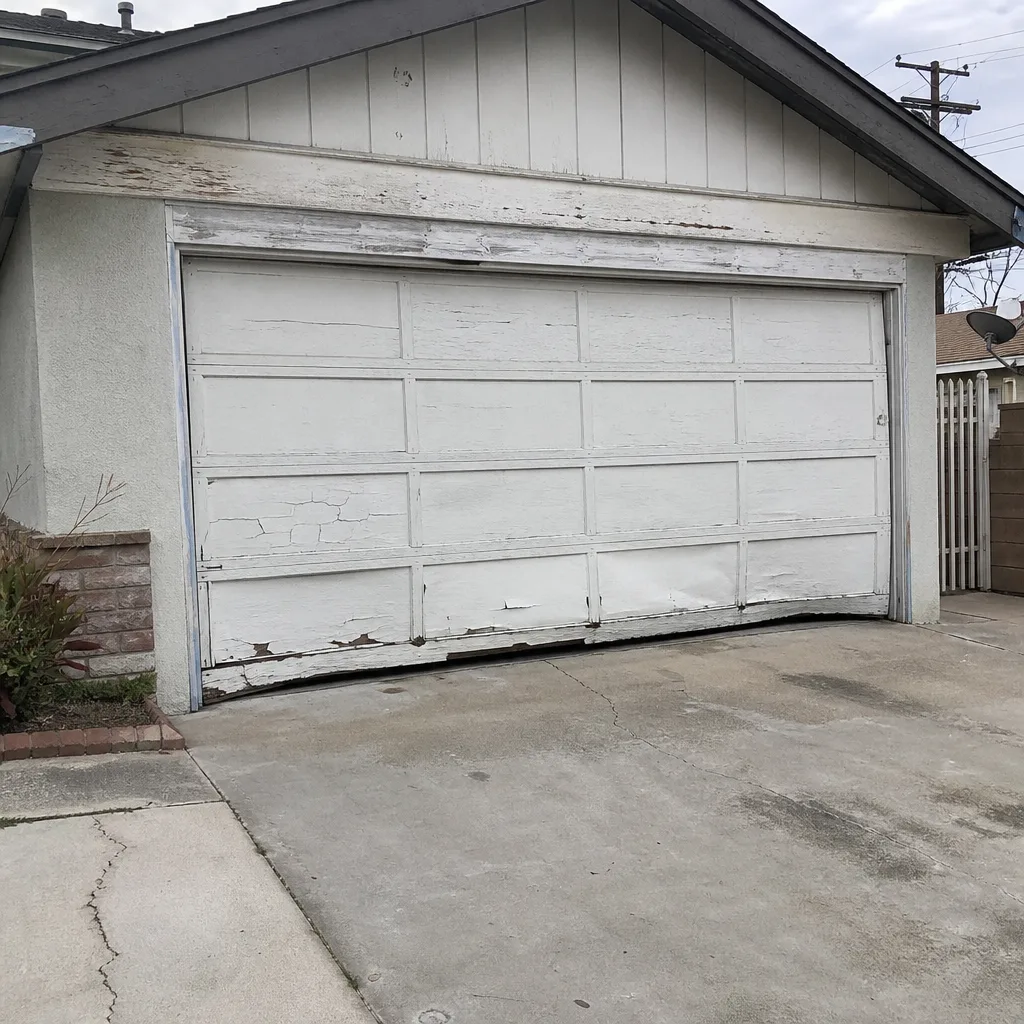 Before
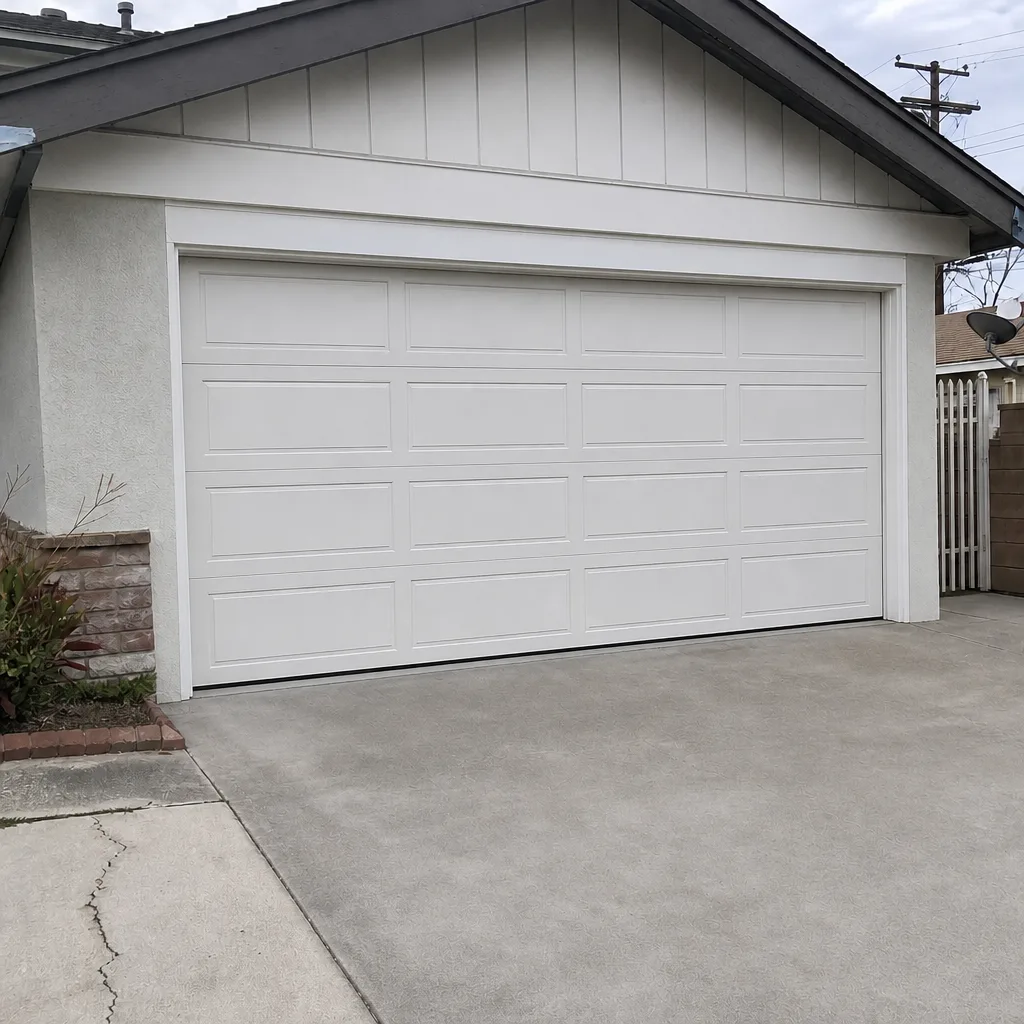 After
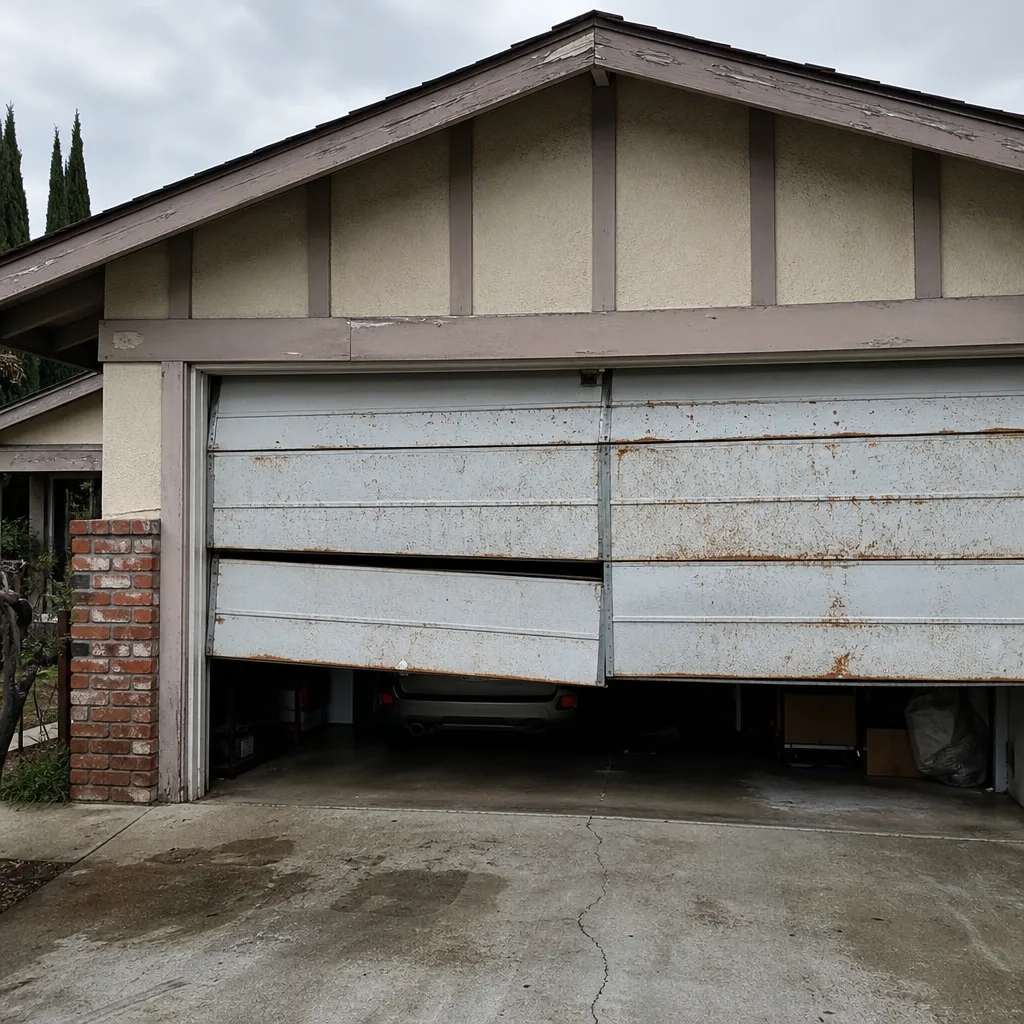 Before
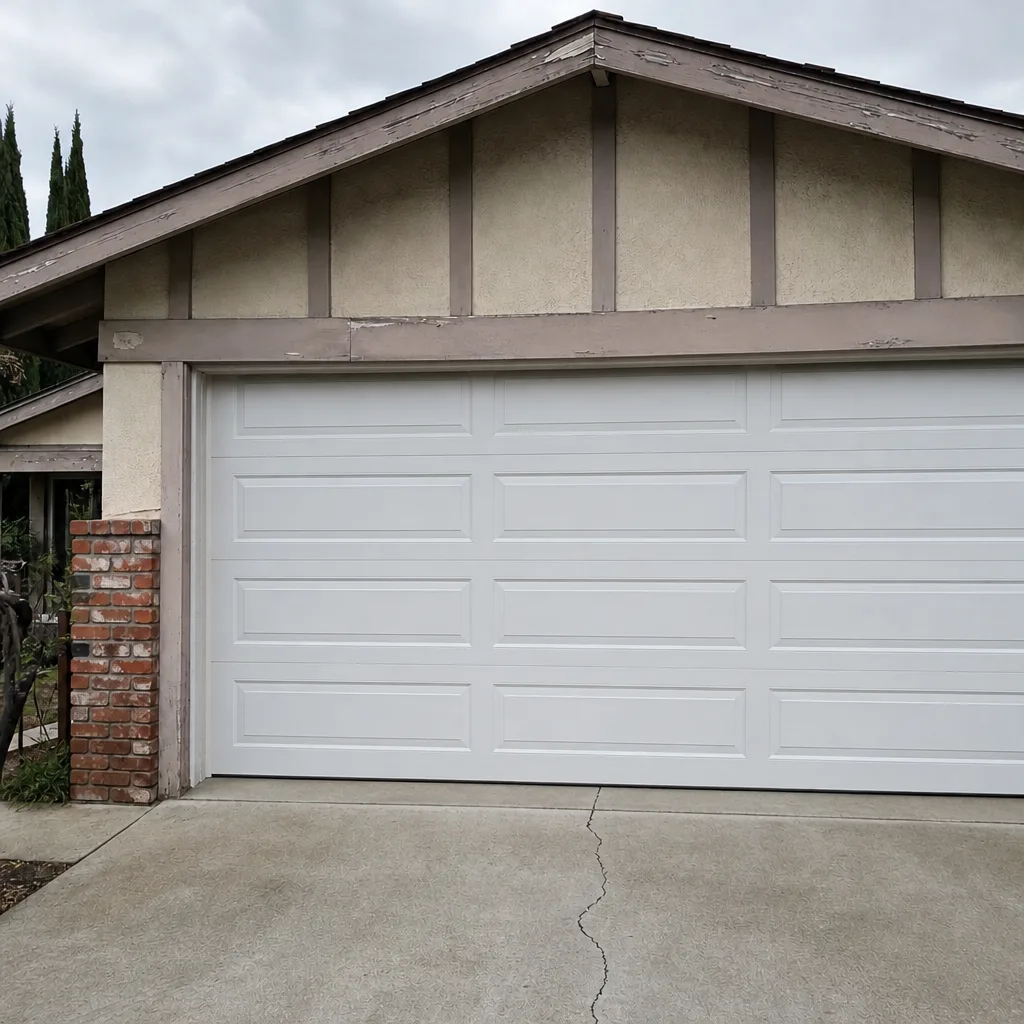 After
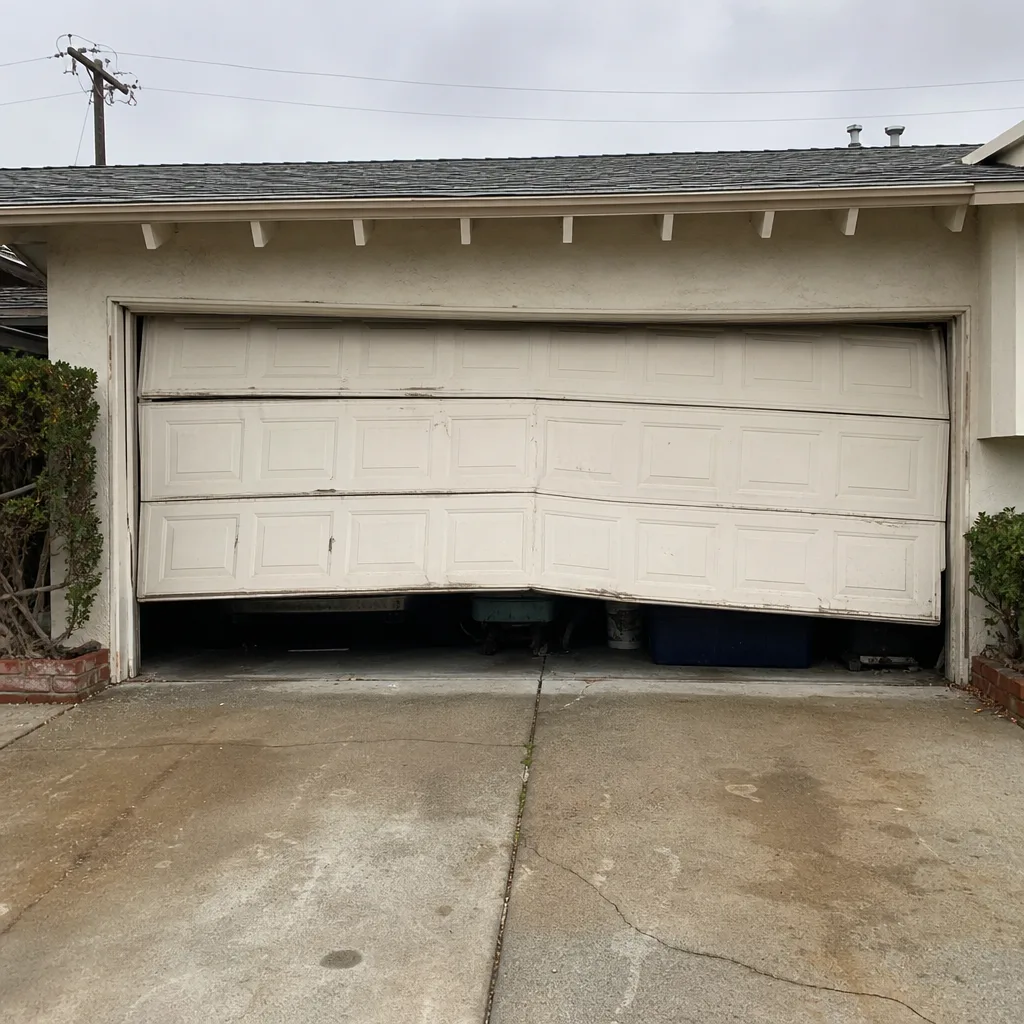 Before
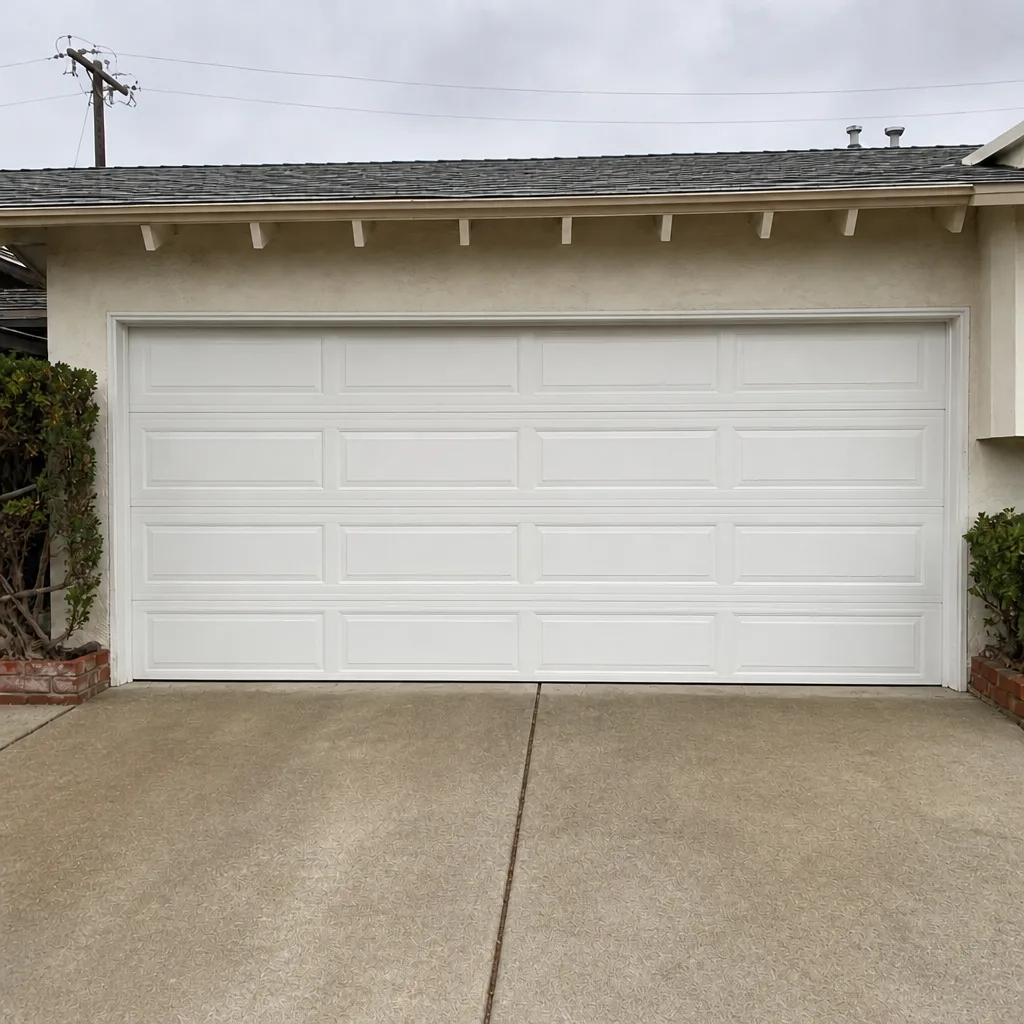 After
Common Mistakes to Avoid
- Lubricating the door as a fix-all. Spray lubricant doesn’t repair a worn roller bearing or a stripped gear. It masks a sound for a few days. The underlying problem stays. And some lubricants, sprayed on the wrong surface, attract dust and make things worse.
- Replacing the sensors before checking the limits. We see homeowners swap out perfectly good photo eyes because a door was reversing, when the real issue was a limit setting. That’s money spent on a part that didn’t need replacing.
- Ignoring a slow sag. A door that drifts down a few inches after opening is a spring in decline. Ignoring it doesn’t save money. It only changes the timing of the repair from your choosing to the spring’s choosing.
- Running the opener after the door stops moving. If the door won’t move and the motor hums, continuing to press the button burns out the opener. Unplug it and call. The opener is often still repairable if it hasn’t overheated.
- Assuming an old opener means a new opener. A 1994 LiftMaster with a stripped gear can often be fixed for a fraction of a new unit’s cost. We repair openers on the regular, especially gear replacements. Don’t assume replacement is the only option.
- Calling a general handyman for spring work. Torsion springs are the one component that can kill or seriously injure. A garage door company that does doors all day has the right winding bars, the right spring stock, and the right respect for the tension. This is not a job for a multi-trade handyman.
When to Call a Professional
Call when the warning sign is structural rather than cosmetic. That means springs, cables, a door out of balance, or an opener gear that’s stripped. If the door sags, bangs, won’t move, or drifts down on its own, call. Garage Door Service La Habra offers free estimates in La Habra, and we’ll give you a straight diagnosis. garage door repair is what we do every day, and the price is quoted and agreed before any work starts. For a door that’s behaving oddly but still operates, call us at (833) 589-9397 and describe the symptom. We’ll tell you over the phone whether it’s a stop-using-it-now situation or a schedule-soon. No charge for the call, no pressure to book.
Frequently Asked Questions
Usually not dangerous on its own, but it tells you something needs adjustment or cleaning. The two most common causes are a close-limit setting that has drifted and a dirty or misaligned sensor. The door will still secure the garage if you hold the button down to force a close, but that’s a workaround, not a fix. Call (833) 589-9397 for a free estimate in La Habra.
You’ll usually hear a loud bang from inside the garage, and then the door won’t open, or it opens only a few inches before stopping. Visually, a torsion spring will have a visible gap in the coil where it snapped. If you can lift the door manually with normal effort, the spring is probably fine. If it feels impossibly heavy, the spring has failed. Don’t try to fix a spring yourself. Call us.
A grinding noise from the opener motor usually means the drive gear has stripped, or the chain or belt is slipping. The gear is a replaceable plastic component inside many LiftMaster and Chamberlain openers, and we replace them often. Sometimes the grinding is at the door level, which points to rollers instead. The manual lift test will tell you which.
We answer 24/7. Fast dispatch from 7am to 7pm, Sunday through Friday. If your door is jammed open or sagging, call us at (833) 589-9397 and describe the symptom. We’ll schedule you into the next available opening.
No. The price is quoted and agreed before any work starts. We diagnose first, quote the repair, and you approve it before we turn a single bolt. The written estimate is the price. No surprises at the end.
We work on virtually every brand a La Habra homeowner is likely to have. That includes Raynor, LiftMaster, Chamberlain, Genie, Clopay, Amarr, Wayne Dalton, and Craftsman. The repair-first approach means we diagnose and fix what’s there before recommending anything else.
The Bottom Line
Most garage door failures announce themselves weeks or months in advance. The signs are there: a sag, a grind, a hesitation, a reversing door. Reading them correctly is the difference between a cheap spring adjustment and a snapped cable, a dented panel, or a burned-out opener. In La Habra, with our mix of mid-century hardware and newer tract homes, knowing your specific setup matters. And when the sign points to something structural, don’t guess. garage door opener repair and spring work are jobs for people who do this every day. We’re at the other end of the phone.
Call (833) 589-9397 for a free estimate in La Habra. We answer 24/7. Fast dispatch from 7am to 7pm, Sunday through Friday.
Written by the team at Garage Door Service La Habra, serving La Habra since 2018.