
Last updated November 4, 2026
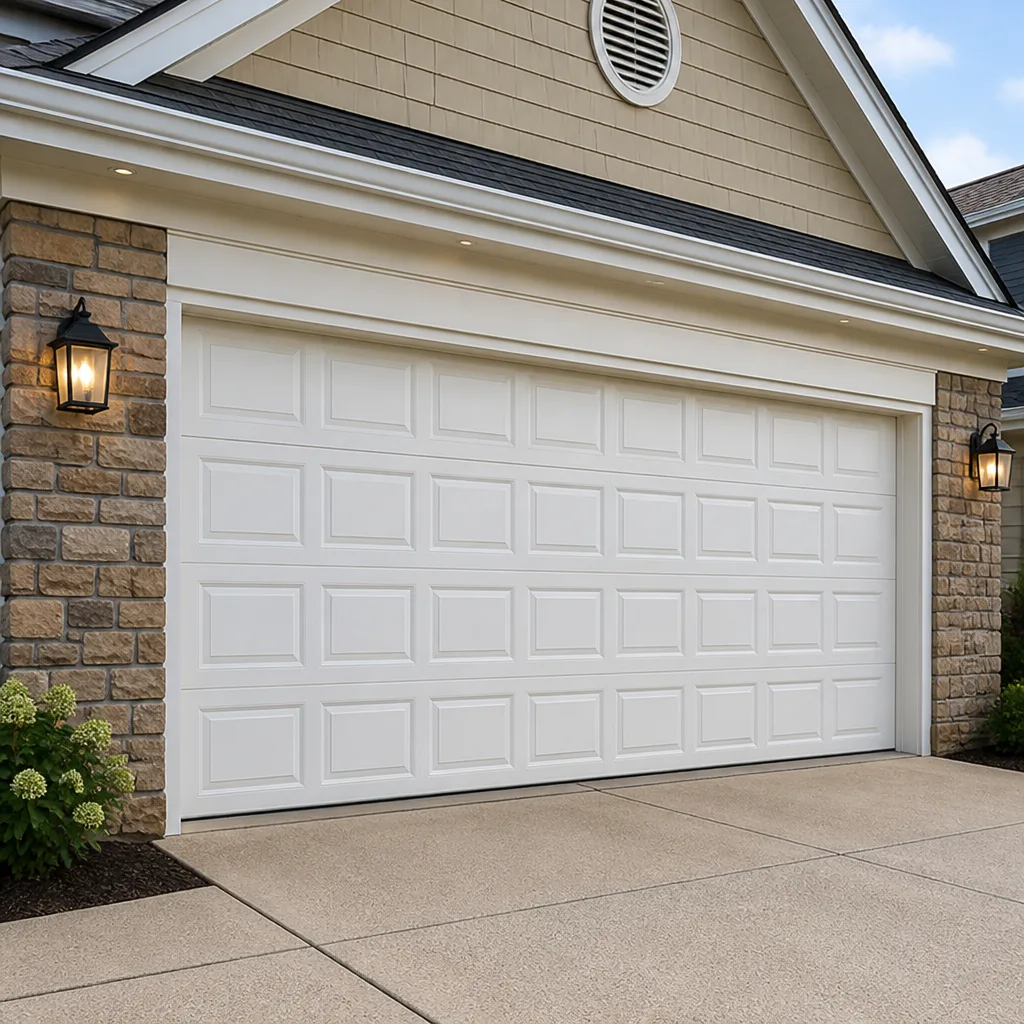 Raised-panel steel
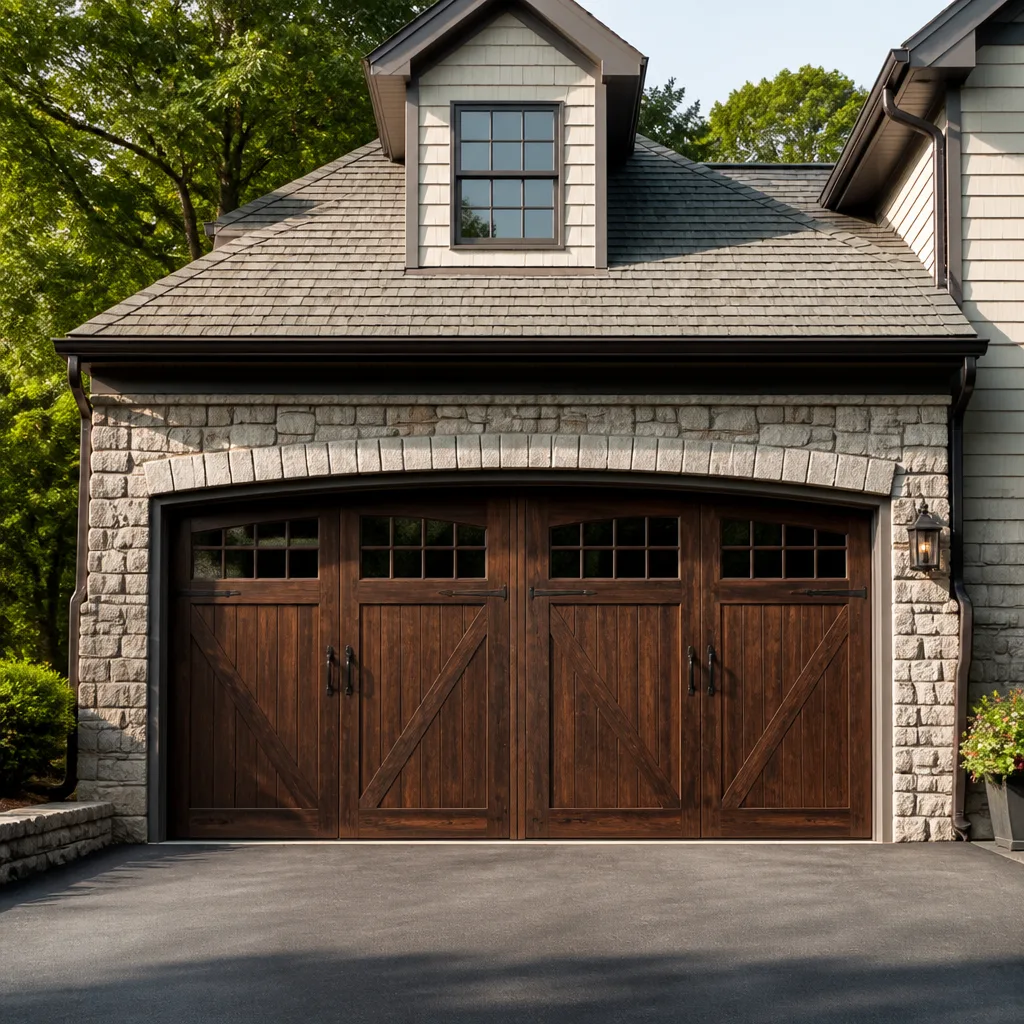 Carriage house
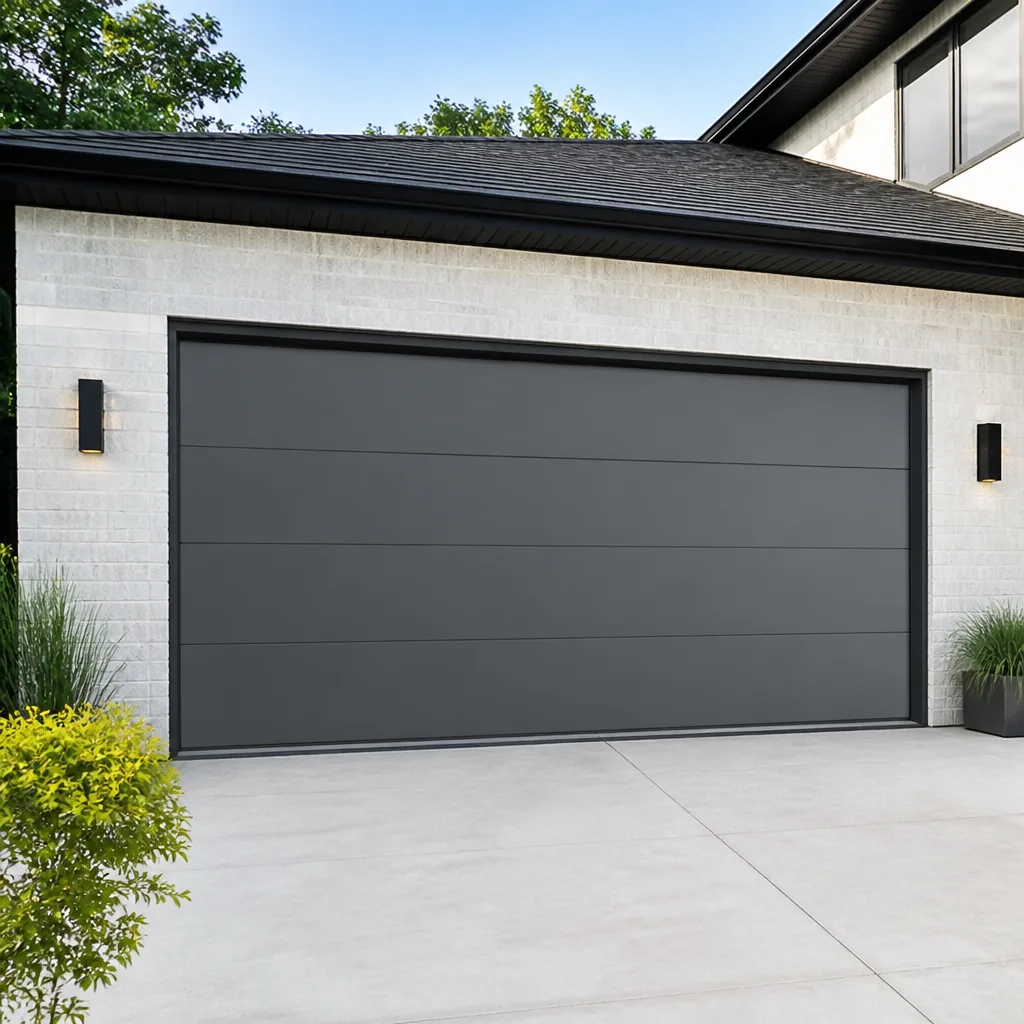 Modern flush
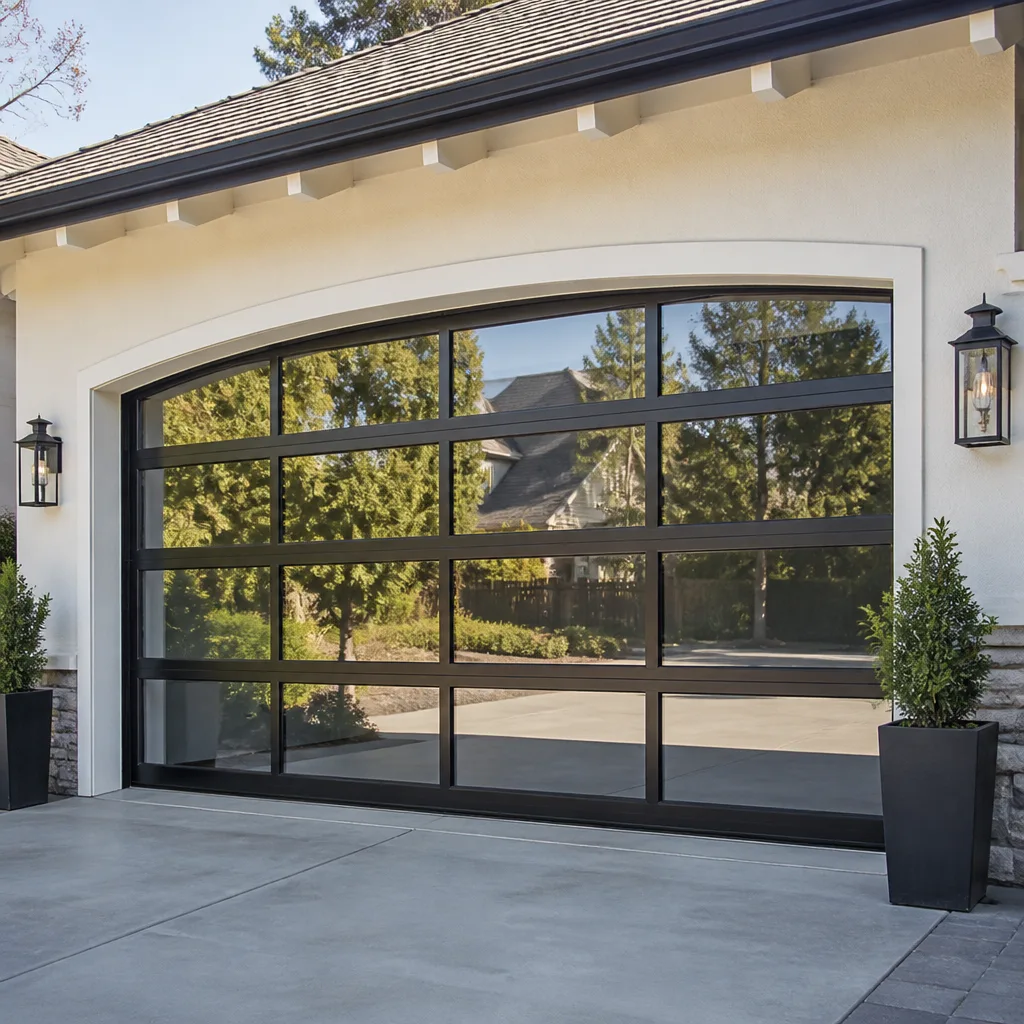 Full-view glass
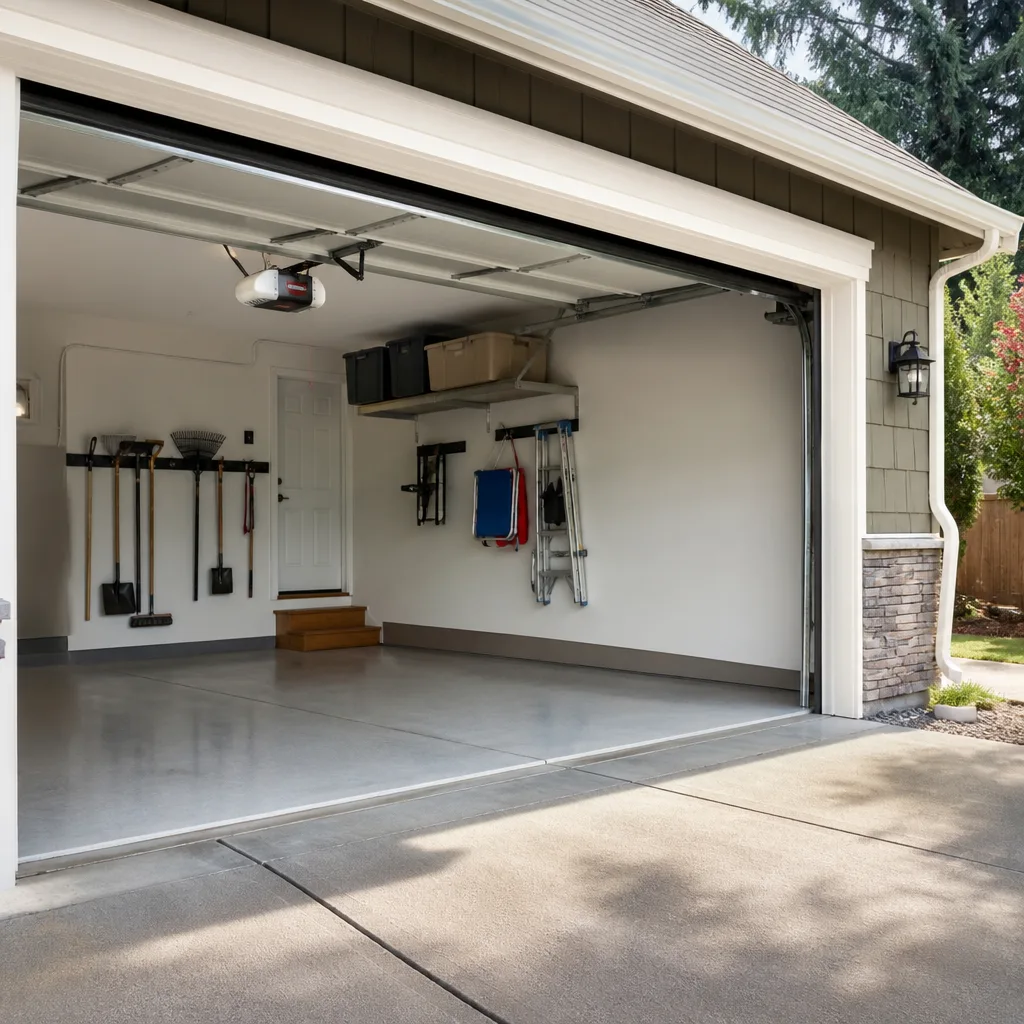 LiftMaster openers
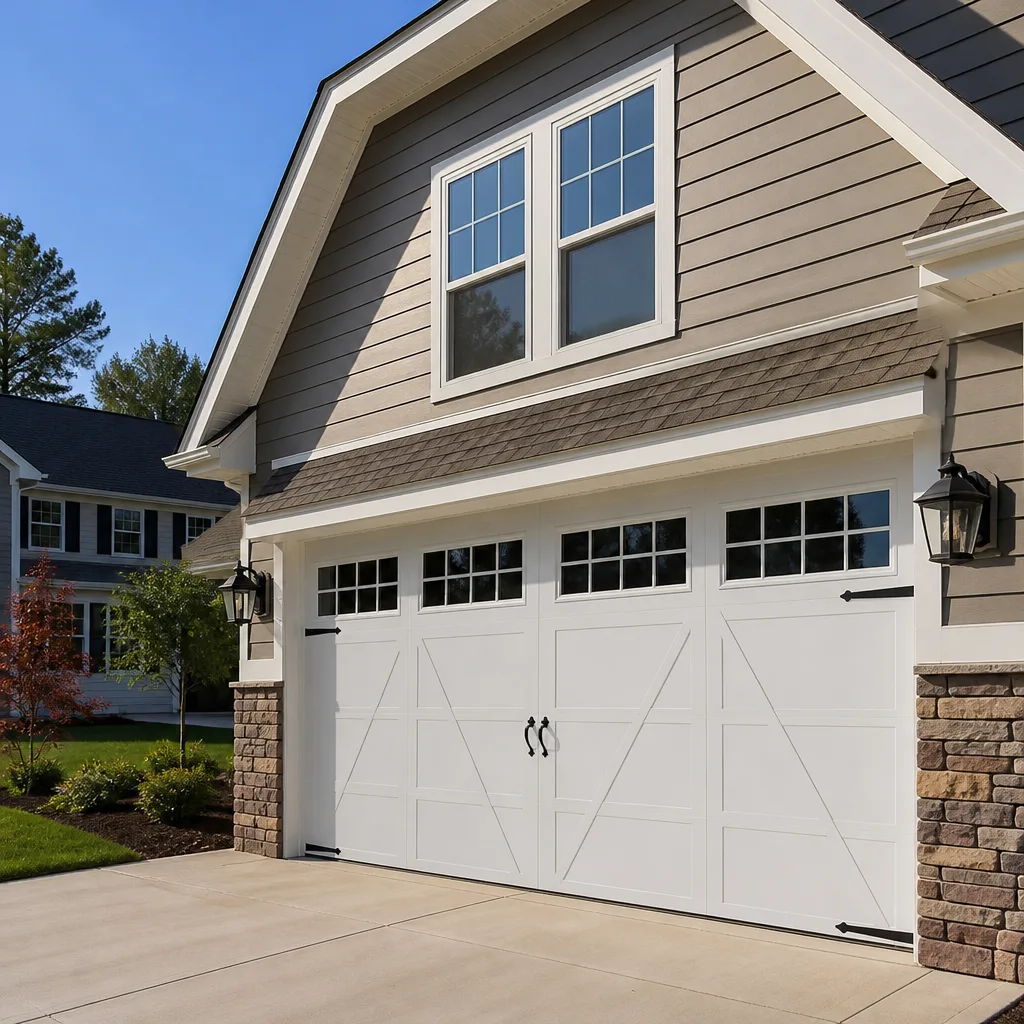 Chamberlain openers
Full 25-point door and opener safety check with every visit - springs, cables, rollers, tracks, and your LiftMaster or Chamberlain opener included
You get a price before we start. It does not change when the truck arrives.
Get your free estimateSeasonal Garage Door Care for La Habra: Year-Round Homeowner’s Guide
Most seasonal garage door guides are written for places with snow, ice, and sub-zero mornings. La Habra doesn’t have any of that. What we do have is a dry, hot inland climate, Santa Ana wind events that can hit 50-plus mph, winter rain that finds its way under hillside doors, and summer UV that bakes weatherstripping until it cracks. If you follow a generic national maintenance calendar, you’ll be greasing your tracks in July when the real issue is heat-thinned lubricant, and checking your weather seal in August when the actual rain prep window is November. This guide is built around the four actual maintenance windows La Habra homeowners deal with: Santa Ana season, winter rain, spring recovery, and summer heat.
Styles & brands we work with
- Raised-panel steel
- Carriage house
- Modern flush
- Full-view glass
- LiftMaster openers
- Chamberlain openers
Quick Answer
Seasonal garage door care in La Habra centers on four windows: pre-Santa Ana wind checks (October through February), winter rain sealing (November through March), spring tune-ups (April and May), and summer heat adjustments (June through September). The highest-impact tasks are tightening and inspecting hardware before wind events, replacing cracked bottom seals before the first real rain, re-lubricating with a heat-stable product in June, and testing the auto-reverse safety feature every month regardless of season. Most homeowners can handle basic inspection in 20 minutes; spring adjustments and opener force-setting changes should involve a technician familiar with your specific door brand.
Table of Contents
- The Santa Ana Window: October Through February
- Winter Rain Prep for La Habra Hillside Homes
- Summer Heat, Torsion Springs, and Weatherstripping
- Adjusting Close-Force Settings After Temperature Swings
- The Month-by-Month La Habra Maintenance Calendar
- Lubrication: What to Use and When in La Habra’s Climate
- Common Mistakes to Avoid
- When to Call a Professional
- Frequently Asked Questions
We’ve worked on garage doors across La Habra since 2018, and the pattern that shows up year after year is this: the doors that fail are rarely the oldest ones. They’re the ones that got ignored during the one or two weeks of the year when a specific La Habra weather pattern put real stress on the system. This guide covers those windows and what to do during each one.
The Santa Ana Window: October Through February
Santa Ana winds are the leading weather-related cause of garage door damage in the La Habra area in our experience. The winds typically arrive from the northeast, funnel through canyons, and hit garage doors broadside. A standard 16-foot-wide double door is a large flat surface. In sustained 40 to 50 mph gusts, that surface takes a beating. What actually goes wrong is rarely dramatic: hardware loosens, track brackets work their way out of alignment, and doors that were already slightly off-balance get knocked further out of whack. The door doesn’t blow in. It starts binding, grinding, or sitting crooked in the opening.
What to check before Santa Ana season starts, usually around early October:
- Tighten every visible bolt and lag screw on the track brackets, hinges, and the opener mounting rail. Use a socket wrench, not a screwdriver. Vibrations loosen fasteners gradually, and wind accelerates that.
- Check the balance of the door. Pull the emergency release cord and lift the door by hand. A properly balanced door stays put at the halfway point and moves with light effort. If it drops or rises on its own, the springs need attention. Never adjust torsion springs yourself. They hold enough tension to cause serious injury.
- Inspect rollers for wear. Nylon rollers with cracked or chipped wheels create resistance that gets worse under wind load. Steel rollers on metal tracks are louder but durable. Replace any roller that wobbles.
- Look at the track alignment. Stand inside the garage and sight down each vertical track. They should be plumb and parallel to the door edge. A track that has been pushed even a quarter-inch out of line will cause the door to hesitate or scrape.
- Test the weatherseal along the sides and bottom. Wind-driven dust and debris in La Habra gets pulled into the garage through gaps. If the bottom seal is flattened or the side seals have pulled away from the jamb, replace them before the first big wind event.
After a significant Santa Ana event, do a quick visual walkaround. Listen for new noises during the next open-and-close cycle. A door that was fine before a wind event and sounds different after one usually has a loosened bracket or a slightly spread track. Fixing that early prevents a bigger garage door repair later. We work on all major brands, including Clopay and Amarr doors, which are common in La Habra, so if you call us about wind damage we know what that specific door’s hardware looks like before we arrive.
Winter Rain Prep for La Habra Hillside Homes
La Habra averages meaningful rain in just a handful of months, mostly November through March. The problem is not the total rainfall. It’s that many La Habra homes are built on slopes, and water that runs down a driveway or a hillside street does not always flow neatly around the garage. It pools at the door line. When a bottom seal is old, flattened, or torn, that water gets inside. In our experience, water intrusion under the garage door is one of the more common seasonal problems in the hillside neighborhoods of La Habra.
Preventative rain prep takes about 30 minutes:
- Replace the bottom seal if it shows any flattening. The bulb-style seal on residential doors needs to compress evenly against the concrete. Once it hardens or loses its shape, it creates a small dam that water flows right over.
- Check that the concrete apron or threshold has no low spots. If the concrete directly under the closed door has settled, water will pool there. A threshold seal can bridge a small dip, but significant settlement may require concrete work. That’s outside our trade, but we can tell you if the door is sealing as well as it can given the surface.
- Make sure the door closes fully flush to the floor. If the close-limit setting is off by even half an inch, the bottom seal never compresses properly. This is especially common on doors that were installed in one season and then adjusted in another. Heat and cold change the door material slightly, and that changes the close point.
- Inspect the side seals on the jamb. Rain driven at an angle gets through gaps between the door edge and the weatherstrip. This matters more for west-facing doors in La Habra, which catch the brunt of winter storms.
If you’re unsure whether your door is sealing correctly, set a flashlight inside the garage against the bottom edge on a bright day and close the door. Look from outside. If you can see the light, water and cold air are getting through. For doors that have been in place for years, replacing the bottom seal is a straightforward job, but it requires the right profile for your specific door brand. Wayne Dalton and Amarr use different retainer shapes, and using the wrong seal simply does not work.
Summer Heat, Torsion Springs, and Weatherstripping
Inland Southern California summers are hot and dry. La Habra regularly sees daytime highs in the 90s from June through September, with stretches above 100 degrees. That heat does three specific things to a garage door system, and none of them are obvious from the outside.
First, heat changes the effective tension on torsion springs. Garage door springs are rated for a specific number of cycles at a given tension. Heat does not break a healthy spring directly, but it does make the metal expand slightly. On a spring that is already nearing the end of its service life, the combined effect of metal fatigue from daily cycling and thermal expansion can be the final push. In our experience, spring failures in La Habra spike during and just after the first serious heat wave of the year, usually in June or July. This is not a definitive rule, but it is a pattern we’ve seen enough times to mention it.
Second, most common garage door lubricants thin out in high heat. A white lithium grease spray or a generic penetrating oil will run off the hinges and rollers when the garage interior temperature gets above 100 degrees. That leaves metal-on-metal contact when the door opens. What you hear is a grinding, dry sound that suddenly appears in July. The fix is using a lubricant designed for garage doors that stays stable at high temperatures. We recommend a dedicated garage door lubricant with a silicone or synthetic base, not WD-40, which is a solvent and will strip existing lubricant.
Third, the vinyl and rubber weatherstripping on La Habra garage doors are exposed to intense UV radiation for months straight. The bottom seal is usually shielded by the door itself, but the side and top seals get direct sun for hours a day, especially on south-facing and west-facing doors. Over two or three summers, they crack, shrink, and pull away from the jamb. Once that happens, you lose the dust seal, the rain seal, and the thermal barrier all at once.
If you have a Clopay or Genie door of any age, the replacement weatherstripping needs to match the original profile or it will not seat correctly. We carry common seal profiles for those and other brands on the truck when we come out for a seasonal check.
Adjusting Close-Force Settings After Temperature Swings
Garage door openers use a force-sensing system to detect resistance while closing. If the door hits an obstruction, the opener should reverse. That is a federal safety requirement going back to 1993. But force settings that are correct in 55-degree winter weather are often wrong in 100-degree summer heat, because the door material expands, the tracks shift slightly, and the seal compresses differently against the concrete.
What happens in summer is that the opener, set to a low close-force threshold, encounters more resistance from the heat-expanded door and reverses as if it had hit an obstruction. The door goes down, touches the floor, and immediately comes back up. Homeowners often assume the opener is failing. In many cases, the opener is fine and the force setting needs a small adjustment.
Here is how to think about that adjustment safely:
- Check the obvious first. Clean the photo-eye lenses on both sides of the door opening. Dust and cobwebs in a hot La Habra garage accumulate quickly and cause false reversals that have nothing to do with force settings.
- Test the current force setting. With the door closed, press the wall button. If the door reverses immediately at the floor, note how far it travels before reversing. If it reverses an inch or two above the floor, the issue is likely a force setting that is too low for current conditions.
- Find the adjustment dials or buttons. Every opener is different. LiftMaster, Chamberlain, Genie, and Craftsman units all have their own interface. Some use small plastic dials on the back of the motor unit; newer models use a digital menu. Do not guess. The owner’s manual for your opener brand is the right reference.
- Make small adjustments only. Increase the close-force setting by the smallest increment available, test the door, and repeat. The goal is to get the door to close fully without reversing on an empty floor, not to max out the setting. An opener set too high will not reverse for a child, a pet, or a bicycle, and that is a serious safety hazard.
- Re-test the auto-reverse every time you change a setting. Place a 2×4 flat on the floor under the door. Close the door. It must reverse within two seconds of contacting the wood. If it does not, the force is set too high and needs to come back down.
If you are not comfortable adjusting opener force settings, this is a legitimate reason to call for garage door opener repair. We would rather walk a homeowner through a quick phone consultation or send a technician than have someone disable a safety feature by accident. The 2×4 test is not optional. It’s the single most important safety check you can do on your opener, and it should be done monthly in La Habra, regardless of season.
The Month-by-Month La Habra Maintenance Calendar
National garage door guides will tell you to do the same things every month. That doesn’t fit La Habra. Our calendar is built around the actual weather patterns here, not a generic fall-spring-winter-summer template. Here is the month-by-month breakdown we give homeowners who ask what they should actually be doing and when.
January and February: Peak Santa Ana Months
- After each Santa Ana event, check that the door is still square in the opening and that no new noises appeared.
- If rain is forecast and your bottom seal is worn, replace it now. January and February are the wettest months in La Habra.
- Run the monthly auto-reverse test with a 2×4.
March: Post-Rain Recovery
- Check for water staining on the inside of the bottom panel and the garage floor near the door. That tells you whether your winter seal held.
- Wipe down the tracks with a dry cloth. Rain carries fine grit that dries into an abrasive film.
- Inspect the bottom seal for debris accumulation. Small rocks and twigs get pressed into the seal during wet weather and create gaps.
April and May: Spring Tune-Up Window
- This is the best time of year for a full inspection in La Habra. Temperatures are mild, so door balance is easiest to assess accurately.
- Lubricate hinges, rollers, and springs with a heat-stable garage door lubricant. Wipe off excess.
- Tighten all hardware. The cycle of winter wind and rain loosens bolts, and catching them now prevents bigger issues in summer.
June: Pre-Heat Prep
- Re-lubricate. This is the single most important month for lubrication in La Habra. The first heat wave is coming, and thin lubricant will fail.
- Check the auto-reverse test again. Heat changes close-force behavior, so get a baseline now before the real heat arrives.
- Inspect weatherstripping on south-facing and west-facing doors for UV cracking. Replace if brittle.
July and August: Peak Heat
- Listen for a dry grinding sound during operation. That is heat-thinned lubricant failing.
- If the door reverses at the floor, check the photo-eyes first, then consider a close-force adjustment.
- Keep the garage as ventilated as practical. Hot air trapped inside accelerates spring metal fatigue and weatherstrip degradation.
September: Late-Season Heat and Wind Prep
- Do a full hardware check. The summer heat has had three months to loosen bolts and stretch belts.
- Test door balance. A door that is off-balance in September will be a problem during the first Santa Ana event in October.
- Check the opener’s drive system. Chain drives stretch in heat; belt drives wear. If the opener sounds louder than it did in May, it’s worth a look.
October: Santa Ana Readiness
- Complete the full Santa Ana checklist in the first H2 section of this guide.
- Make any needed repairs before the wind season. A door that binds during a wind event is harder to fix and more likely to be damaged.
- If your opener is older and showing signs of strain, consider a diagnostic check before the rain and wind overlap in December.
November and December: Storm Overlap
- This is the most punishing window in La Habra: Santa Ana wind events overlapping with the first real rain. Do a full inspection in early November.
- Check the bottom seal and side seals one more time. If they won’t hold up through four more months of rain, replace them now.
- Run the auto-reverse test monthly through the end of the rainy season.
Lubrication: What to Use and When in La Habra’s Climate
Garage door lubrication in La Habra is not a once-a-year task, but it’s also not a monthly one. The right approach is to lubricate twice a year at specific times: once in April or early May as a general tune-up, and once in June before the first sustained heat wave. Doing it more often than that just attracts dust, and dust mixed with lubricant forms a thick paste that accelerates roller wear. La Habra is dry and dusty for most of the year, and that changes the lubrication math compared to a coastal city.
What to lubricate:
- Hinges – apply a small amount to each pivot point, then wipe away excess. You want a film, not a coating.
- Rollers – metal rollers get lubricant on the bearing. Nylon rollers usually have sealed bearings and need no lubrication; lubricating the wheel itself just attracts dust.
- Torsion springs – a light coat on the spring coil helps reduce friction between coils as the spring winds and unwinds. Use a silicone-based product, not grease.
- The opener rail – chain-drive openers need chain lubricant on the rail. Belt-drive and screw-drive openers typically do not need rail lubrication. Check your opener manual for your specific brand. Genie screw-drive units, for example, have their own lubrication requirements that differ from LiftMaster belt drives.
Never use WD-40, penetrating oil, or motor oil on garage door components. These products are either solvents that strip existing lubricant or heavy oils that attract dust and gum up in the heat. Use a dedicated garage door lubricant. The extra few dollars upfront saves you from a noisy, binding door in August.
Common Mistakes to Avoid
- Following a generic national maintenance calendar. A guide written for Chicago tells you to check freeze damage in February and prep for snow in November. Neither applies to La Habra. Follow the local calendar in this guide instead.
- Greasing the tracks. Garage door tracks should never be lubricated. They are designed to run dry. Any lubricant on the track surface just collects dust and makes the rollers work harder. If the door scrapes in the track, the track is misaligned, not dry.
- Using WD-40 on hinges and rollers. It works for a week and then leaves the metal drier than before. La Habra’s dusty air makes the problem worse faster.
- Ignoring a door that reverses at the floor. It’s tempting to just hold the wall button down to force the door closed. That bypasses the safety reverse and can cause the door to close on something or someone. The cause is usually a minor setting adjustment or a dirty photo-eye, not a broken opener.
- Replacing only one spring when both are worn. Torsion springs wear together on most residential doors. Replacing one creates an unbalanced door and shortens the life of the new spring. On doors with two springs, both get replaced at the same time.
- Waiting until the first big Santa Ana event to inspect hardware. By then, the damaged bracket or loosened bolt has already been stressed. The time to check is the week before, when the door is still operating normally and the fix is quick.
- Assuming a noisy door just needs lubrication. Noise can mean dry hinges, but it can also mean a failing roller, a bent track, or a spring that is about to go. Lubricating a door with a mechanical problem masks the symptom for a few days. If lubrication does not quiet the door within a day, have it looked at.
When to Call a Professional
Some maintenance tasks are genuinely DIY-friendly: tightening bolts, cleaning photo-eyes, testing auto-reverse, and replacing a bottom seal on a door where the retainer is accessible. Others are not. Anything involving torsion or extension springs requires a trained technician. Those springs are under enough tension to cause severe injury, and the tools and procedures for safely winding or unwinding them are specific to the door brand and spring type. We never recommend a homeowner attempt spring work. Same goes for track realignment that requires loosening track brackets, and for opener force adjustments on newer units with digital interfaces where the wrong setting can disable a required safety feature. If the door jumps off the track, if the opener motor runs but the door does not move, or if you hear a loud bang from the spring area, stop using the door and call a professional.
Garage Door Service La Habra offers free estimates in La Habra. Call (833) 589-9397. We answer 24/7. Fast dispatch from 7am to 7pm, Sunday through Friday. We work on the brand you already have, and garage doors are all we do.
Frequently Asked Questions
Twice a year is the right cadence for La Habra: once in April or May for a general tune-up after the rainy season, and once in October before Santa Ana wind season starts. In between, do the monthly auto-reverse test and a quick visual check of the hardware. That schedule catches seasonal issues before they become failures. If you want a professional inspection, Garage Door Service La Habra can handle both annual checkpoints.
Yes. Sustained gusts hitting a 16-foot door broadside put significant lateral force on the track brackets, hinges, and panel connections. Most of the damage is cumulative: fasteners loosen, tracks spread slightly, and doors that were already off-balance get worse. A door does not usually blow off its tracks in one event, but repeated wind exposure over a Santa Ana season will turn a minor alignment issue into a door that binds or scrapes. Call (833) 589-9397 if your door sounds different after a wind event.
Heat makes the door material and metal parts expand slightly, which increases resistance during the final inch of travel. If your opener’s close-force setting is low, the opener interprets that resistance as an obstruction and reverses. The fix is usually a small close-force adjustment on the opener, not a new opener. Clean the photo-eyes first, then test the force setting. If you’re not comfortable adjusting it yourself, a technician can do it in one visit.
On a two-spring door, yes. Both springs have cycled the same number of times and have the same remaining service life. Replacing only the broken one leaves an unbalanced pair: the new spring carries more of the load, and the old spring likely fails soon after. Any reputable technician replaces both. Spring replacement is not a DIY job under any circumstances. The tension involved requires specific tools and training.
Use a silicone-based or synthetic garage door lubricant specifically designed for door components. It stays stable at the high temperatures common in La Habra garages during summer, and it does not attract as much dust as grease. Avoid WD-40 and penetrating oils, which strip the existing lubricant. Lubricate hinges, metal roller bearings, and torsion springs. Never lubricate the tracks.
A typical seasonal tune-up in La Habra, including hardware tightening, balance testing, lubrication, safety-reverse testing, and a visual inspection of all seals and tracks, generally runs in the $80 to $150 range depending on what needs attention. Full spring replacement typically costs more and is counted as repair, not maintenance. The written estimate always sets the final price before any work starts. Call (833) 589-9397 for a free estimate; we answer 24/7 and can schedule a fast dispatch from 7am to 7pm.
The Bottom Line
Seasonal garage door care in La Habra means working with the actual conditions here: Santa Ana winds from October through February, winter rain from November through March, hot dry summers that thin lubricant and crack seals, and a mild spring that is the ideal tune-up window. Follow the month-by-month calendar in this guide, test the auto-reverse safety feature monthly, and treat any spring or track work as a professional-only job. A door that gets small, well-timed attention is less likely to fail during the worst weather day of the year, and that’s when you need it most.
Written by the team at Garage Door Service La Habra, serving La Habra since 2018.
See the difference
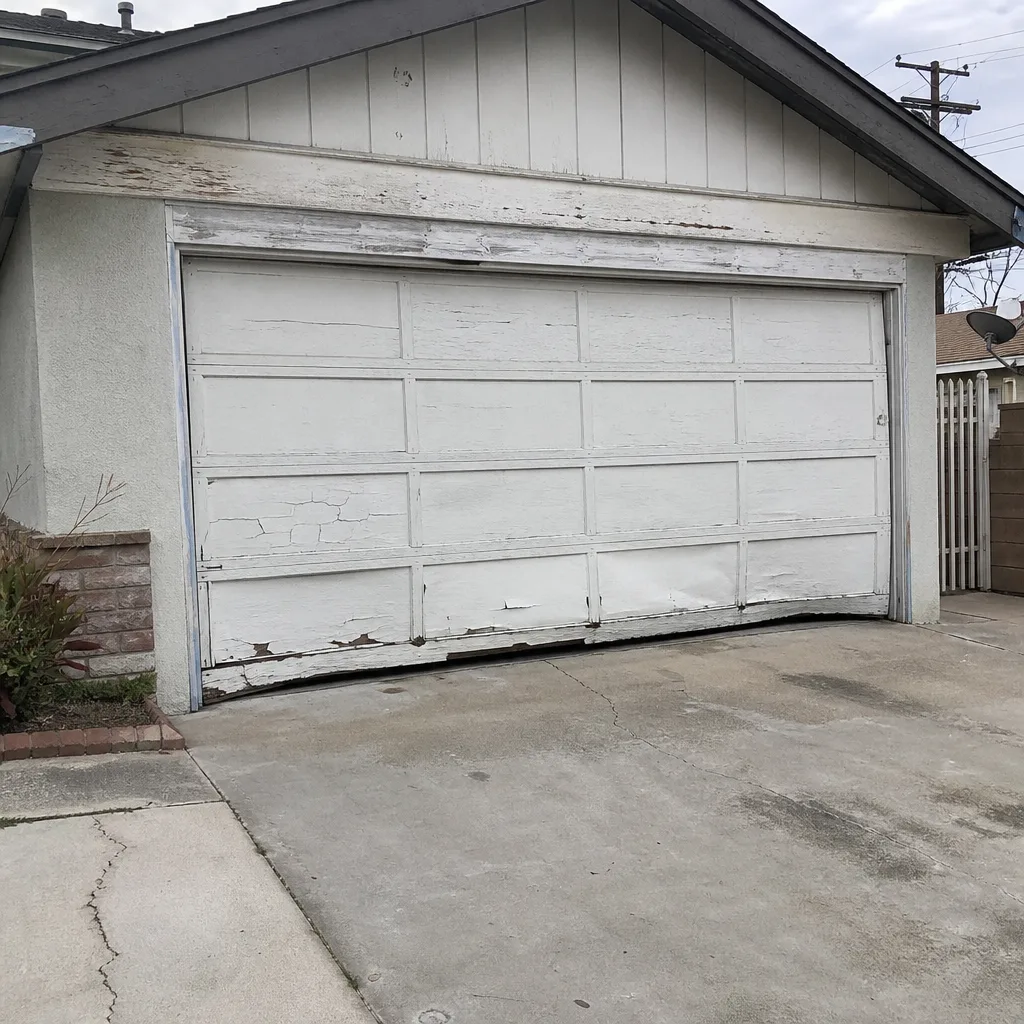 Before
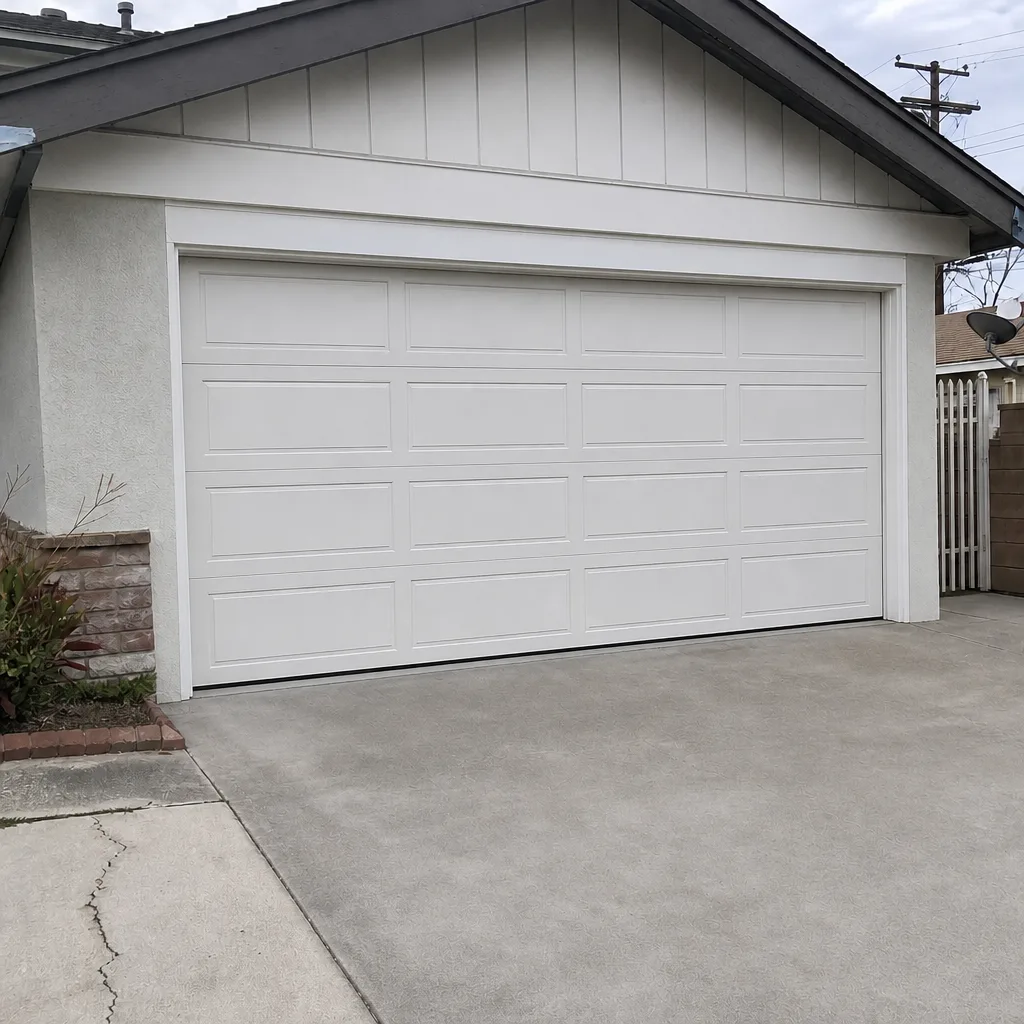 After
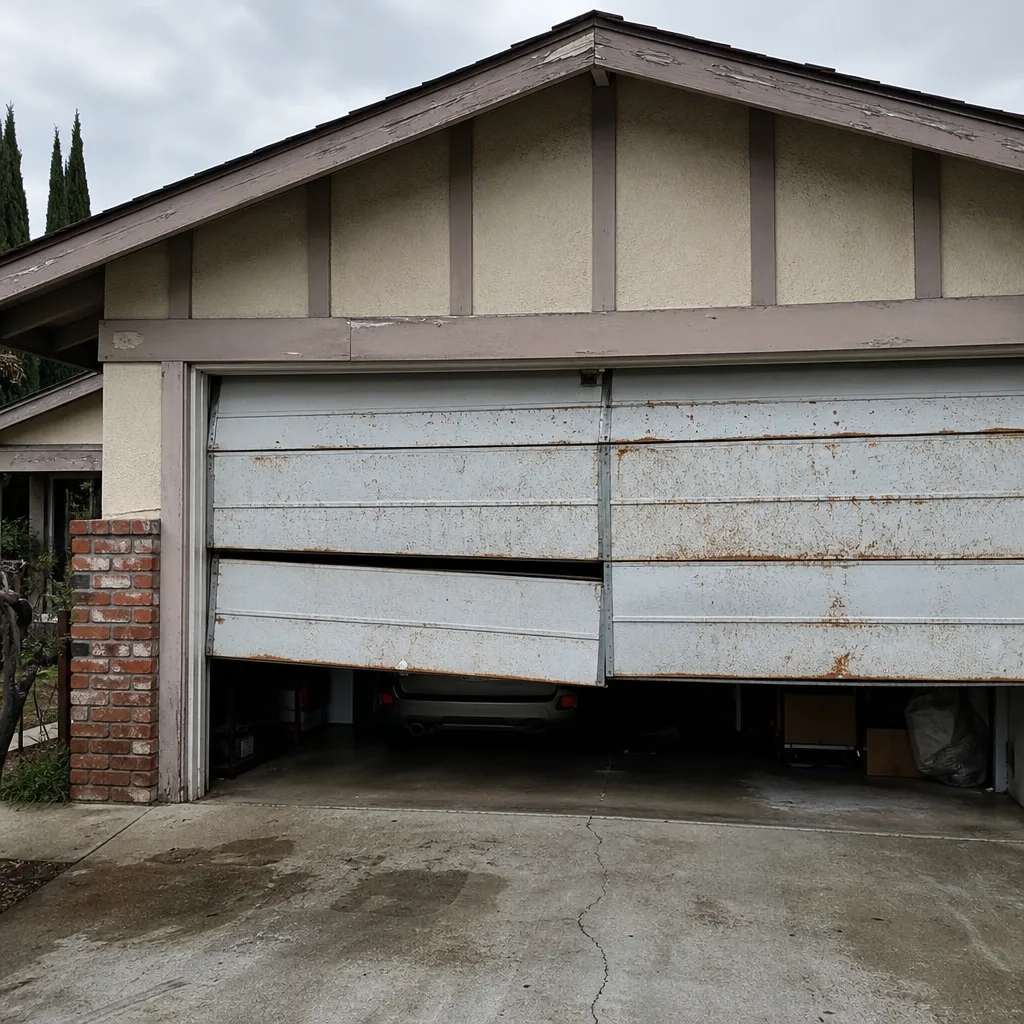 Before
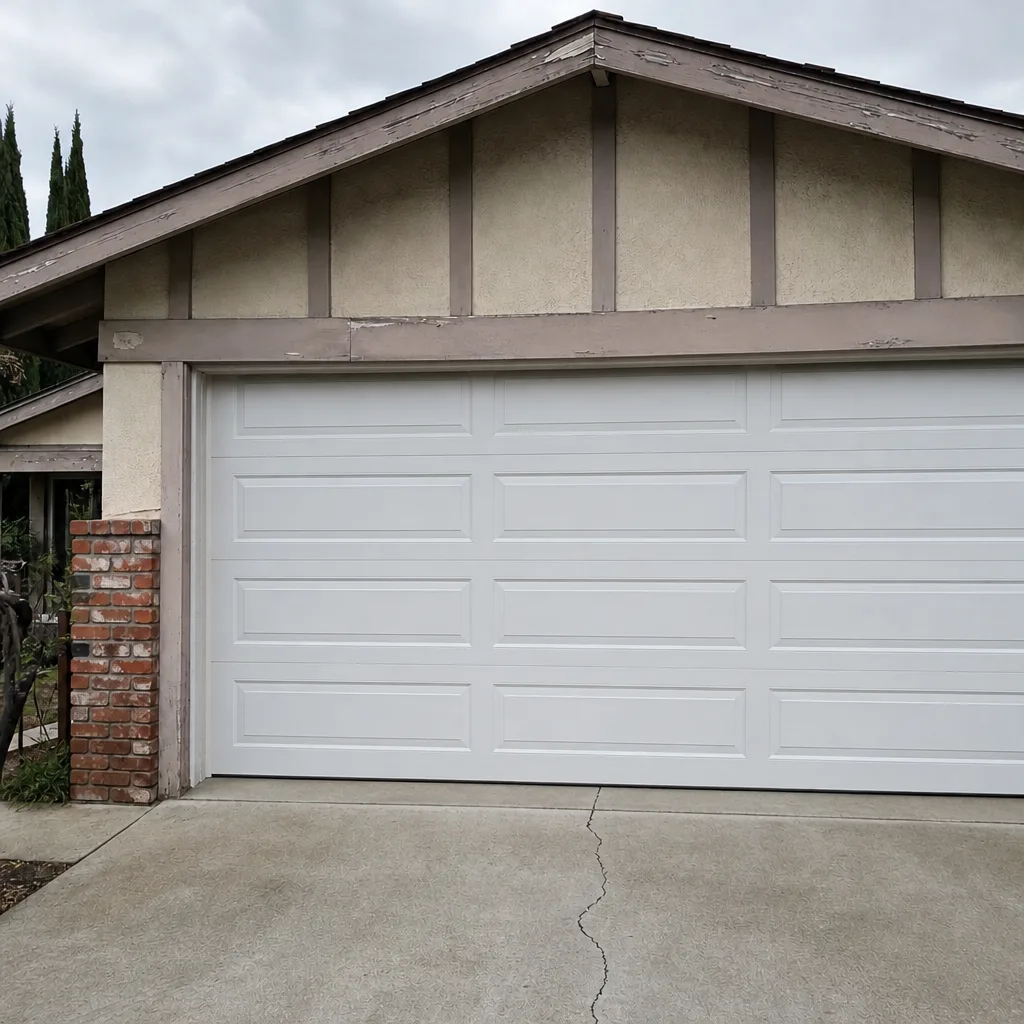 After
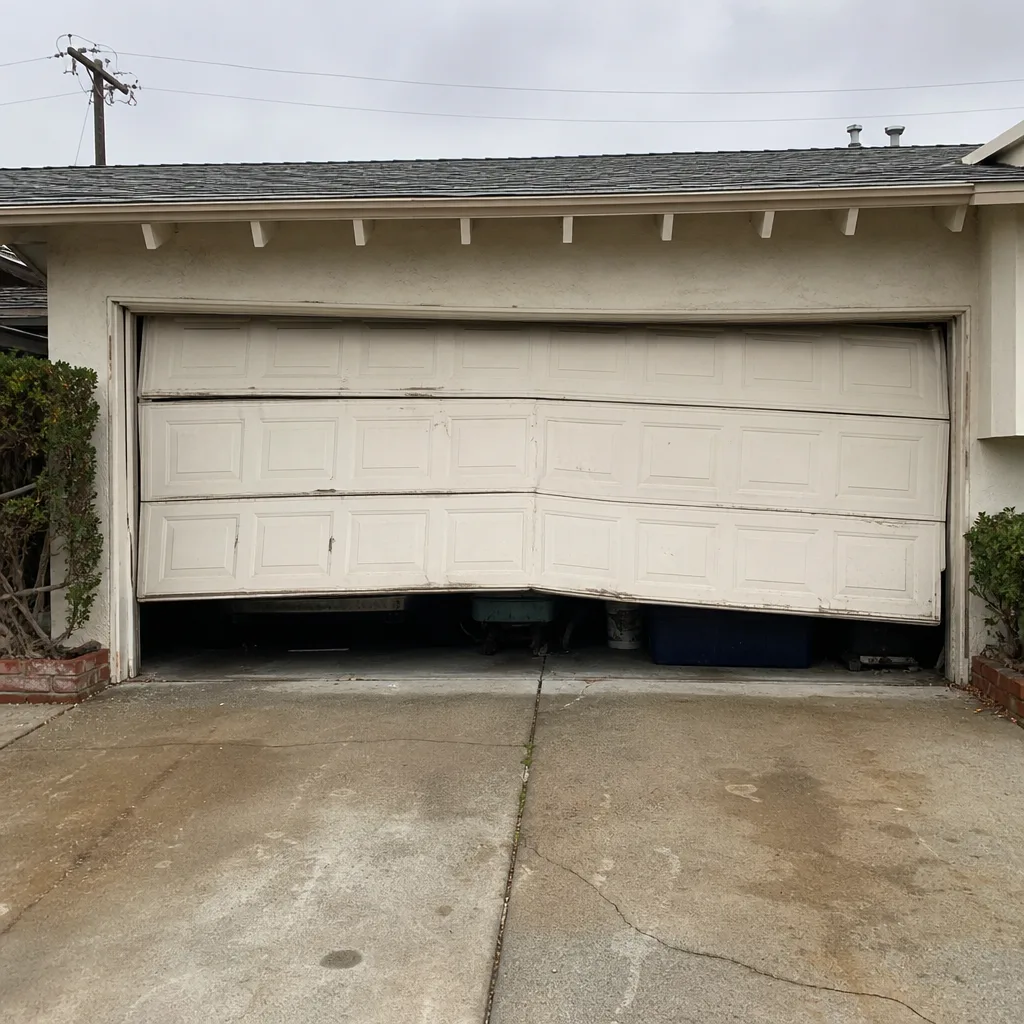 Before
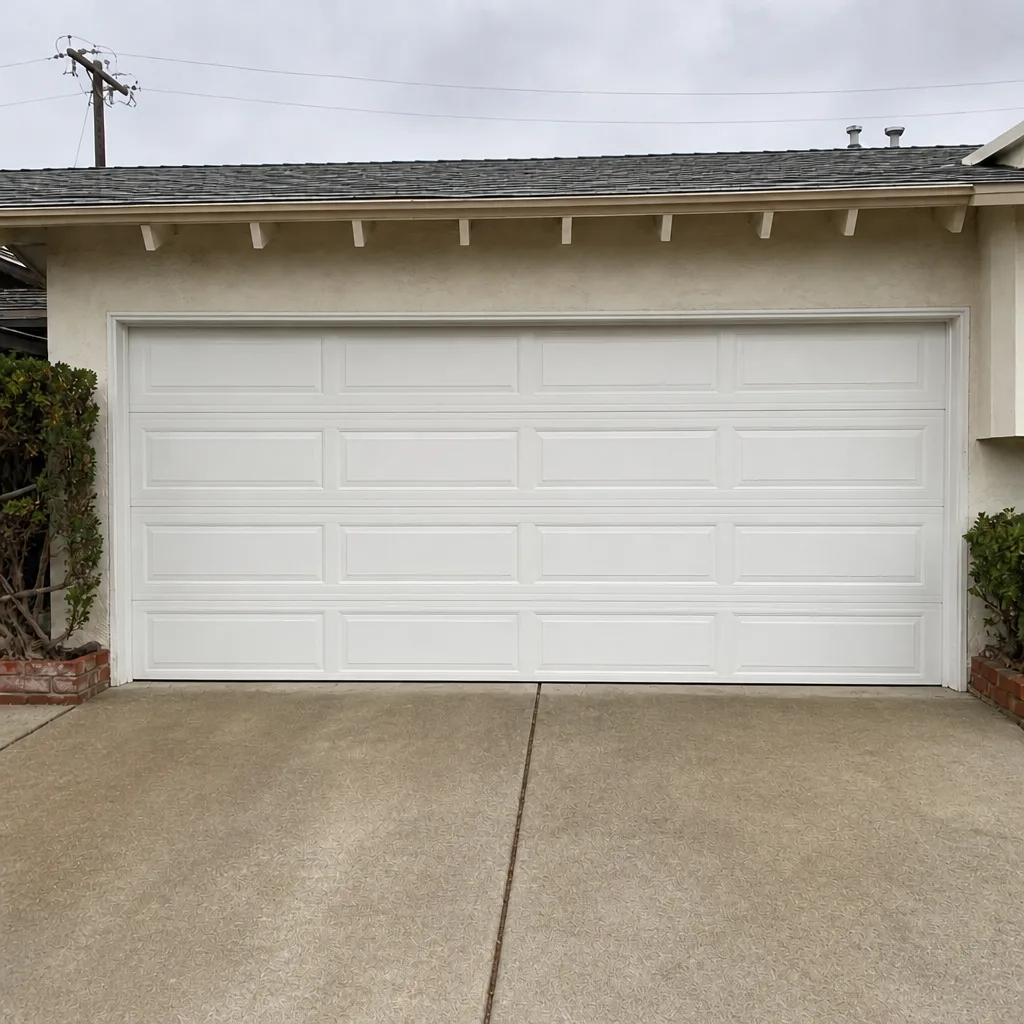 After