
Last updated November 4, 2026
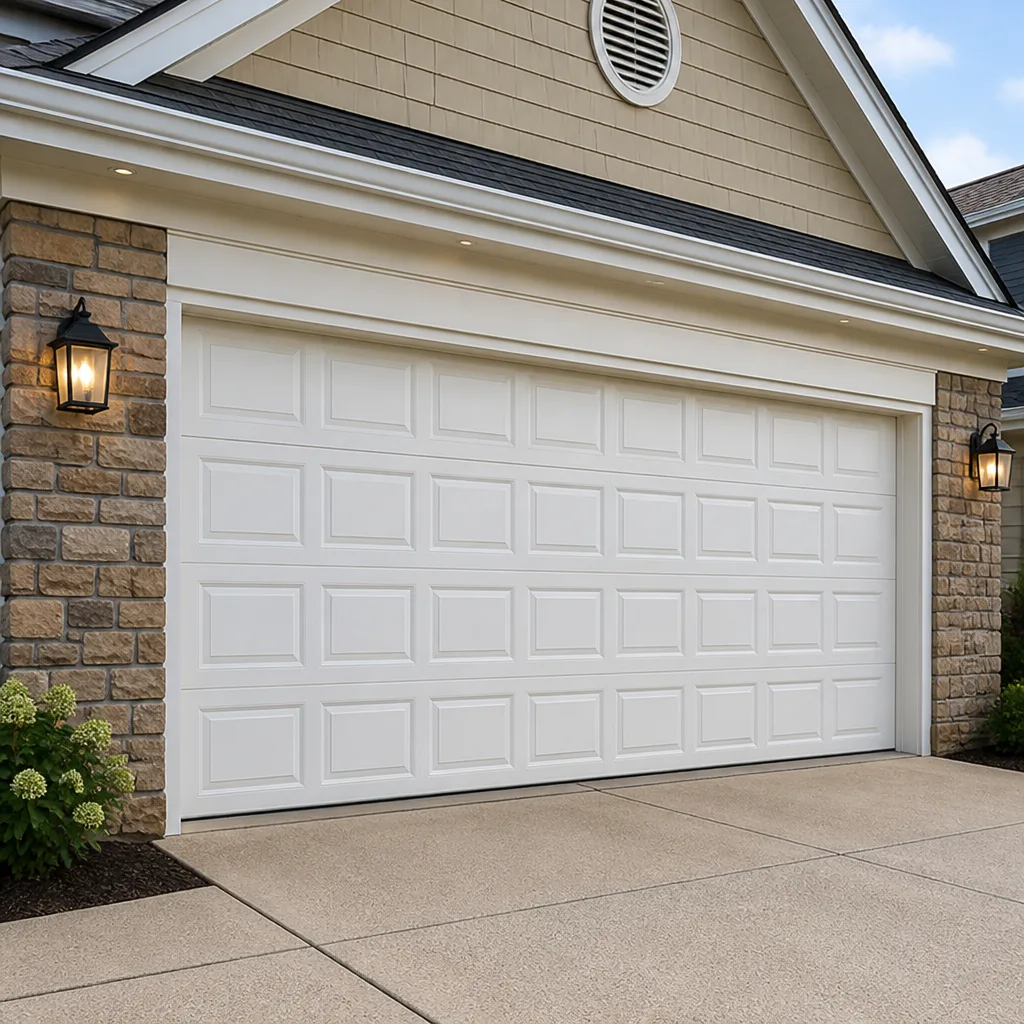 Raised-panel steel
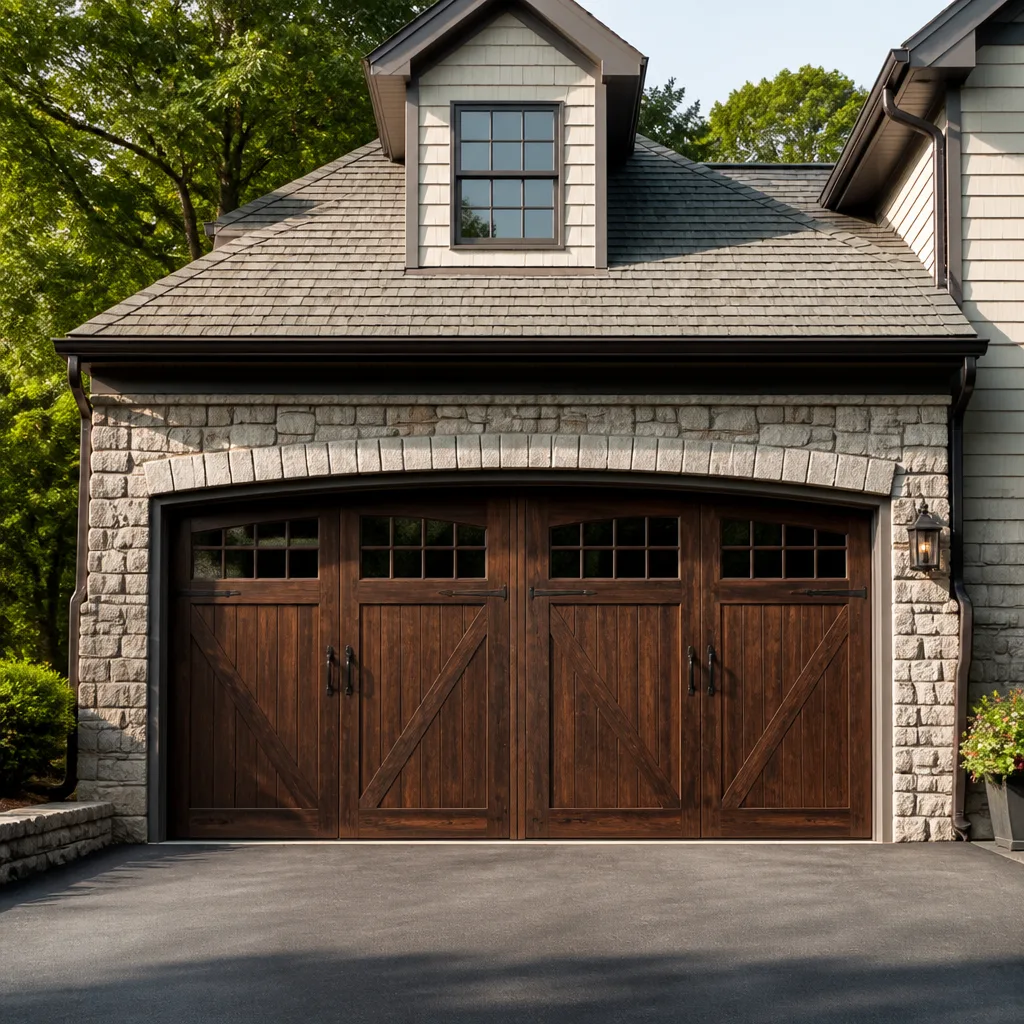 Carriage house
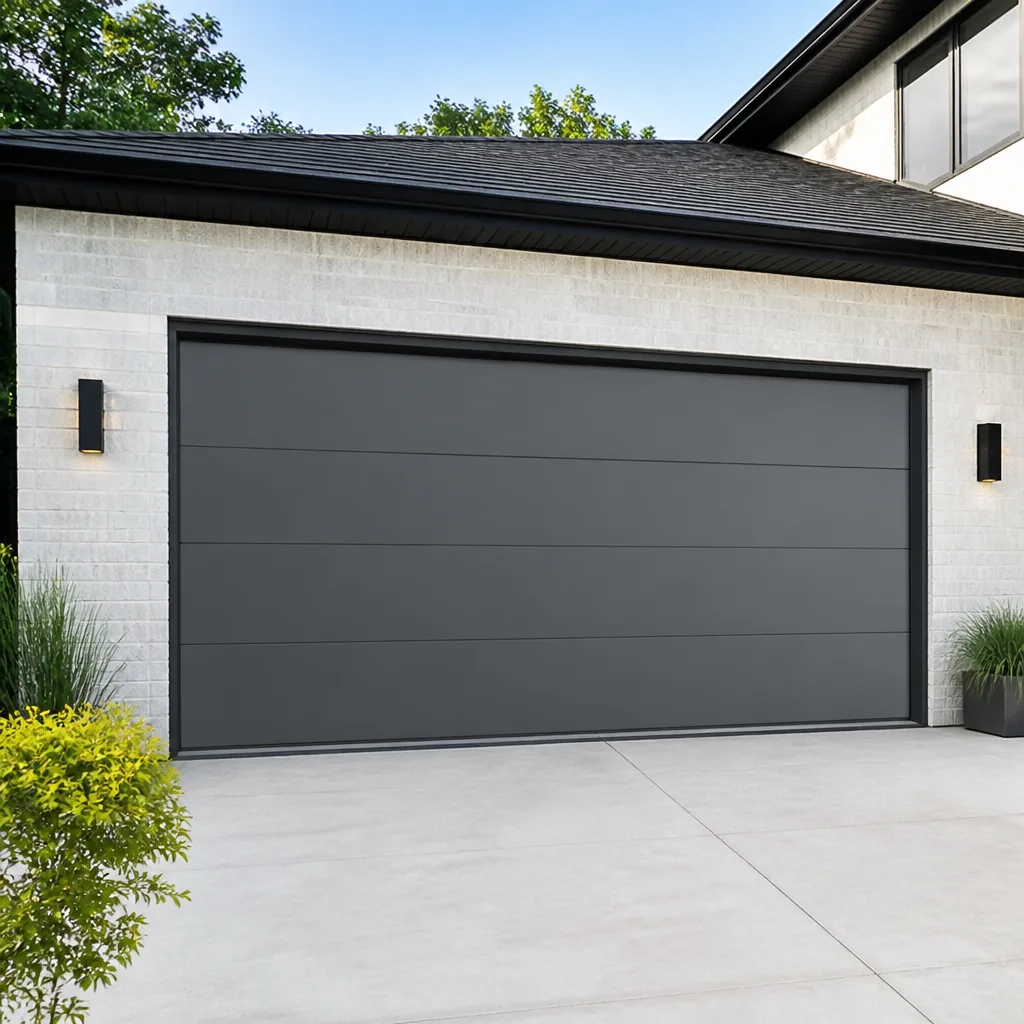 Modern flush
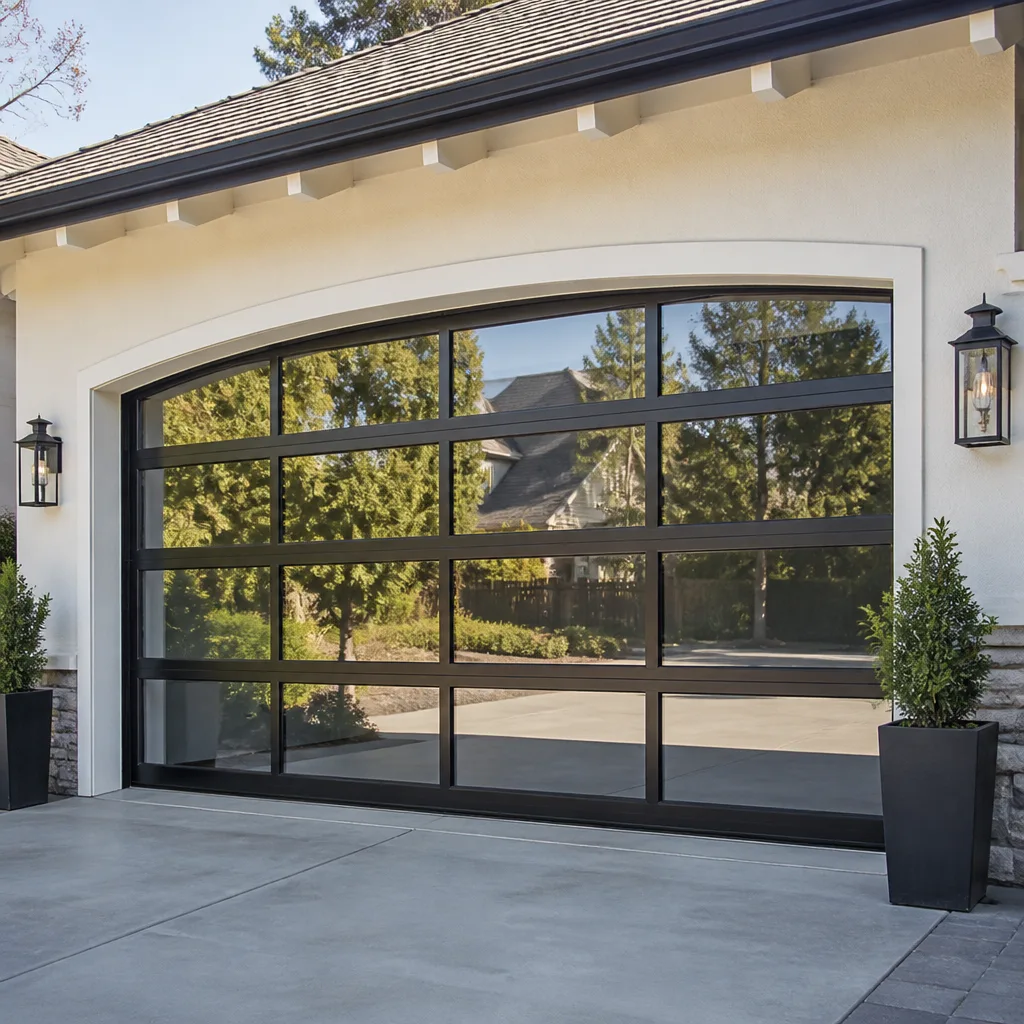 Full-view glass
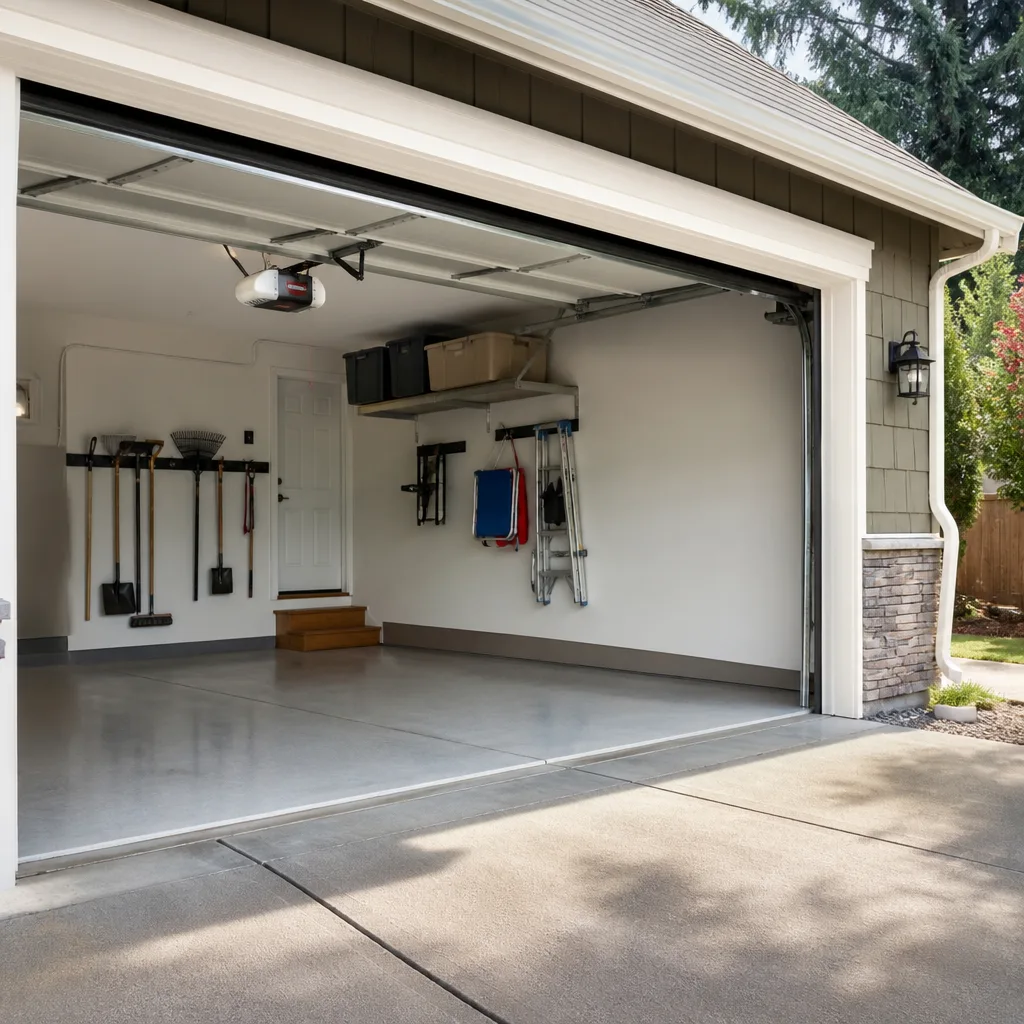 LiftMaster openers
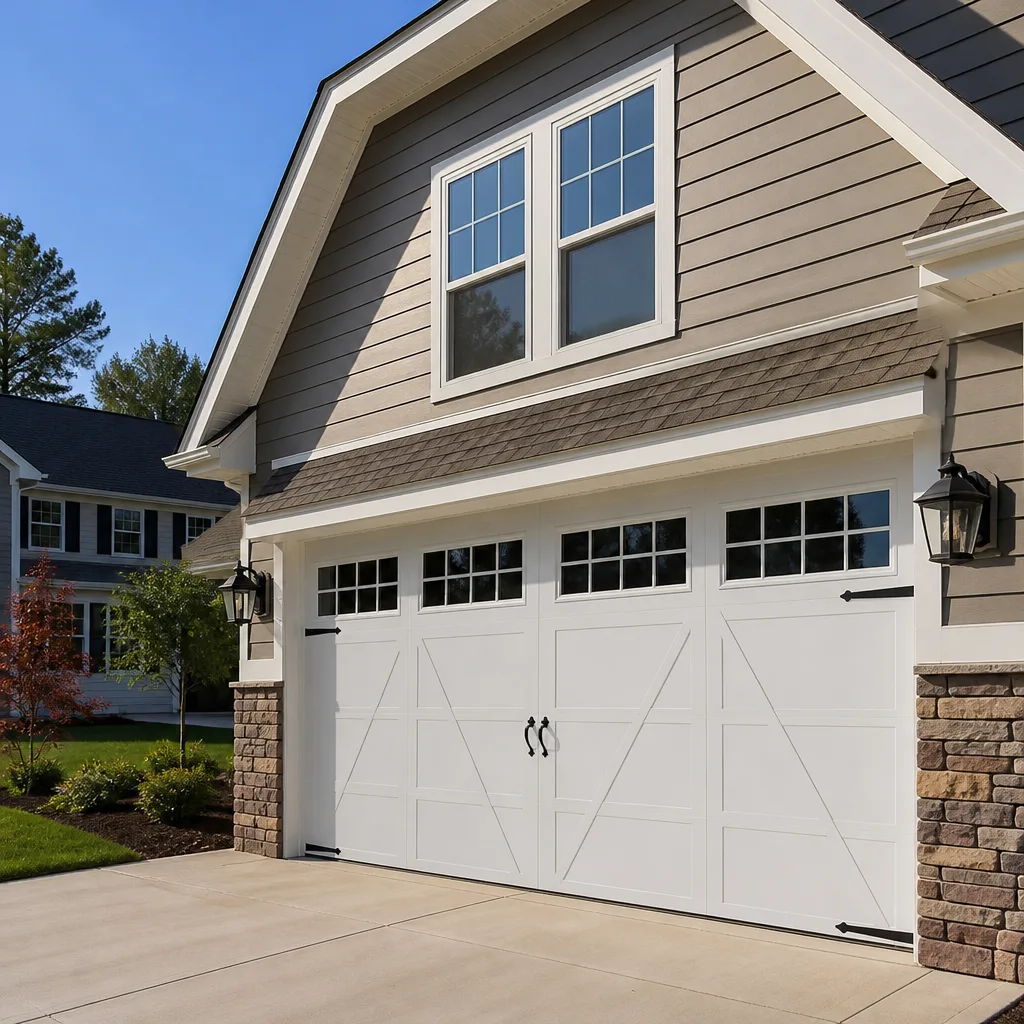 Chamberlain openers
Full 25-point door and opener safety check with every visit - springs, cables, rollers, tracks, and your LiftMaster or Chamberlain opener included
You get a price before we start. It does not change when the truck arrives.
Get your free estimateDIY vs Professional Garage Door: The La Habra Homeowner’s Decision Guide
Most homeowners assume the DIY question is about skill. It isn’t. It’s about energy. A torsion spring on a double-wide garage door can store enough kinetic force to shatter bone or kill a person when it lets go unexpectedly. In La Habra, where nearly every home on streets like Whittier Boulevard and Idaho Street uses its garage as the primary entry point, a garage door problem feels personal and urgent. This guide gives you an honest task-by-task framework so you know exactly what you can handle safely, what needs a professional, and where the invisible line sits between a Saturday project and a hospital visit.
Styles & brands we work with
- Raised-panel steel
- Carriage house
- Modern flush
- Full-view glass
- LiftMaster openers
- Chamberlain openers
Quick Answer
Most garage door maintenance tasks like lubrication, sensor cleaning, and track inspection are safe for a careful DIY homeowner with basic tools. Anything involving torsion springs, cables under tension, or opener drive systems should be handled by a professional. The dividing line is simple: if the part stores energy, hire it out.
Table of Contents
- The Honest Task-by-Task Breakdown
- DIY-Safe Tasks: What You Can Legitimately Do
- Proceed-with-Caution Tasks: Where the Math Changes
- Professional-Only Tasks: The Energy-Storage Line
- The Real Cost Comparison in La Habra
- California Liability and Insurance Considerations
- What to Do Before the Service Call
- Common Mistakes to Avoid
- When to Call a Professional
- Frequently Asked Questions
- The Bottom Line
The Honest Task-by-Task Breakdown
We have worked on garage doors across La Habra for years, and the pattern we see is consistent: homeowners underestimate springs and overestimate opener complexity. The opener is mostly electronics and a small motor. The springs are physics. A 200-pound torsion spring wound to 150 ft-lbs of torque contains roughly the same energy as a loaded crossbow. When it releases, the winding bar becomes a projectile. That single fact should drive every decision on this page.
Here is the framework we use when a neighbor asks whether they should attempt a repair:
- DIY-safe: The task involves no stored energy, no structural load, and no disassembly of tensioned components.
- Proceed with caution: The task is technically simple but requires specific tools or carries moderate risk if done incorrectly.
- Professional-only: The task involves springs, cables, or high-tension hardware. No hedging. No exceptions.
La Habra’s housing stock skews toward 1960s and 1970s ranch homes in the Coyote Hills area and newer developments near Imperial Highway. The doors on these homes vary widely, from original wood panels to modern steel units from Clopay and Amarr. That variety matters because older hardware often has fatigue cracks that are invisible to an untrained eye but catastrophic under load.
DIY-Safe Tasks: What You Can Legitimately Do
This section is not a token allowance to make you feel capable. These tasks genuinely fall within homeowner territory, and doing them yourself saves real money while keeping your door in good working order.
1. Lubrication
A can of white lithium grease or garage-door-specific spray lubricant costs around $12 at any hardware store in La Habra. Apply it to hinges, rollers, and bearing plates twice a year. Use a light touch on nylon rollers and avoid spraying lubricant on the belt of a belt-drive opener. This is the single highest-value maintenance task a homeowner can perform, and it requires no disassembly.
2. Sensor Alignment
Photo-eye sensors sit near the floor on both sides of the door opening. If the small LED light is blinking or off, the sensor is misaligned or blocked. Loosen the wing nut, adjust the sensor until the light stays solid, and retighten. This takes ten minutes and requires only a screwdriver. If both sensors show solid lights and the door still reverses, the problem is elsewhere and likely in the opener logic board.
3. Track Inspection and Cleaning
With the door closed, run a rag along the vertical tracks to remove dust and grease buildup. Look for obvious gaps between the track and wall brackets, loose bolts, or visible dents. Tightening loose bolts is fine. Straightening a bent track is not, because the track keeps the door aligned under spring tension, and forcing a kinked track back into shape can bind the rollers and throw off the balance.
4. Weatherstripping Replacement
The rubber strip on the bottom of the door degrades in the inland heat of La Habra summers, where daytime temperatures routinely exceed 90 degrees from June through September. A replacement strip costs $20 to $40 depending on the door width. Slide the old strip out of its retainer channel and slide the new one in. No tools beyond a utility knife and maybe pliers.
5. Battery Replacement in Remotes and Keypads
If your Genie or LiftMaster remote works intermittently, replace the battery before calling anyone. A CR2032 or A23 battery costs a few dollars at any La Habra drugstore. If the remote still fails at close range, the issue is likely logic-board corrosion rather than battery failure, and that becomes a repair decision.
Tools you should own for these tasks: a step ladder, a flathead and Phillips screwdriver, adjustable pliers, a utility knife, and a can of lithium grease. If you do not own all of these, your total outlay is about $60 at any hardware store, and the tools remain useful for other household work.
Proceed-with-Caution Tasks: Where the Math Changes
These tasks are not inherently dangerous if you understand the limits, but they require either a specific tool or a specific level of care. Get either one wrong and a $15 part becomes a $300 repair.
1. Roller Replacement
Most rollers on residential doors are attached to a hinge with a simple clip or bolt. Replacing a worn roller on the bottom panel is straightforward when the door is open and the section is accessible. However, the bottom roller on a torsion-spring door sits under constant cable tension. If the cable slips off the drum while you are working, the door can drop. If you attempt roller replacement, never remove the bottom bracket without first understanding how the cable routes. The bottom bracket is bolted to the door and anchored to the lift cable, and loosening the wrong bolts releases that cable’s load instantly.
2. Sensor Replacement
If cleaning and aligning the sensors does not restore function, the sensor itself may have failed. Replacing a photo-eye sensor involves splicing low-voltage wires and re-terminating connections. It is achievable for a homeowner comfortable with a wire stripper and basic 12-volt wiring principles. However, intermittent sensor failures can also originate in the opener’s logic board, and replacing the sensor may not solve the problem. If you spend $40 on a new sensor and the issue persists, you have not saved money; you have added a part to the problem.
3. Opener Remote Programming
Programming a new remote or keypad to a modern Chamberlain, Genie, or LiftMaster opener is usually a matter of pressing the “learn” button and following the manufacturer’s sequence. The steps are in the manual or on the manufacturer’s site. However, older units with DIP-switch systems, and newer units with rolling-code encryption and MyQ integration, sometimes require reset procedures that are not intuitive. In our experience serving garage door opener repair needs in La Habra, we see a steady stream of homeowners who tried three times, got locked out of the programming mode, and now have no working remotes at all.
Professional-Only Tasks: The Energy-Storage Line
This is the list that matters. These tasks involve stored energy, load-bearing hardware, or structural connections. No amount of YouTube preparation changes the physics.
1. Torsion Spring Replacement
A torsion spring is mounted on a metal shaft above the door opening. When the door closes, the spring winds tighter, storing energy. When the door opens, the spring unwinds and does most of the lifting work. Replacing a torsion spring requires unwinding the old spring with two long steel winding bars inserted into the winding cone. If a bar slips, or if the cone is cracked, the bar becomes a high-speed projectile. This is the single most dangerous repair in residential construction. Every professional who works on torsion springs has the same core respect for the task: you do not improvise, you do not rush, and you use the right bars, never screwdrivers or rebar.
Do not attempt torsion spring replacement yourself. This is not liability language. It is physics. A spring on a typical La Habra double garage door weighs 40 to 60 pounds and operates under 100 to 150 ft-lbs of torque when wound. When that tension releases against a soft body part, the result is permanent injury or death.
2. Extension Spring Replacement
Extension springs stretch along the horizontal tracks. Older La Habra homes, particularly in the Northgate and Rancho La Habra neighborhoods, often have extension-spring systems on original wood doors. When an extension spring breaks, the stored energy is already released, which makes the broken spring itself less dangerous. But replacing the spring requires disconnecting the safety cable, setting the correct stretch length, and reattaching the cable under tension. If the safety cable is missing or improperly routed and the spring breaks at a later date, the spring becomes a flying metal hook. This repair is less dangerous than torsion spring work but still falls in the professional category.
3. Cable Replacement
Lift cables run from the bottom brackets, up the sides, and onto drums above the door. They carry the door’s full weight whenever the spring tension is released. A frayed cable is a warning sign that the cable is about to fail, and when a cable fails on one side while the door is in motion, the door can jam violently in the track, bend the track, and drop one corner. Replacing cables requires releasing spring tension safely, which brings you back to the same problem as spring replacement. This is not a beginner task, and it is not even an intermediate task.
4. Door Panel Replacement
A dented bottom panel seems like a straightforward swap until you account for the fact that the bottom panel carries the bottom brackets, the lift cables, and the weatherseal. Removing the panel means transferring all of that hardware under spring load. Replacing a top or middle section on a sectional door is also load-bearing work because each section is bolted to the hinges that carry the sections below it. A mistake here does not just look bad; it compromises the door’s structural integrity and can cause a cascade failure when the door is next cycled.
5. Opener Drive System Replacement
The drive system includes the motor, the gear-and-sprocket assembly or belt, the traveler, and the rail. Modern belt-drive openers from Chamberlain and LiftMaster are quieter and more reliable than older chain-drive units, but when the gear inside the motor housing strips out, the repair involves opening the motor unit, replacing the gear set, and re-timing the limit switches and travel module. This is precision work. We have fixed a number of openers where a homeowner replaced the gear correctly but misaligned the limit switch by half an inch, which caused the door to continue pushing down after it hit the floor, and that strain then broke the gear again within a week.
If you own a Wayne Dalton or Amarr door with a torque-master spring system, a further complication exists: the spring is enclosed in a tube and is wound differently from a standard torsion system. Any DIY guide that assumes a standard torsion spring will not apply, and the specialized tools for a torque-master rarely justify a one-time purchase.
The Real Cost Comparison in La Habra
Honest cost analysis does not just compare the price of the part against the professional quote. It compares the part plus tools plus time plus risk plus the cost of the failure if you get it wrong.
Typical Cost Ranges for Common Jobs
| Job | Typical DIY Parts Cost | Professional Estimate in La Habra | Verdict |
|---|---|---|---|
| Lubrication and tune-up | $12 to $20 | $89 to $149 | DIY if you own a ladder |
| Weatherstrip replacement | $20 to $40 | $89 to $160 | DIY, 20 minutes |
| Sensor alignment | $0 | $79 to $129 | DIY, 10 minutes |
| Roller replacement (all rollers) | $40 to $90 | $129 to $220 | Caution: bottom roller tension |
| Extension spring replacement (pair) | $60 to $120 | $180 to $320 | Professional only |
| Torsion spring replacement (pair) | $110 to $200 | $280 to $520 | Professional only |
| Opener replace (motor unit only) | $150 to $300 | $375 to $650 installed | Professional unless you have electrical experience |
These professional ranges reflect typical estimates for La Habra, where service providers price based on local market conditions. The written estimate sets the final price before any work begins, and a reputable company will never start a job without a signed agreement on that number.
The DIY equation shifts once you factor in the specialized tools. Winding bars cost $15 to $30, which sounds trivial, but the bars are useless without the knowledge of how to use them safely. A homeowner who buys a pair of winding bars, watches a video, and proceeds to replace a spring has spent $30 to acquire the risk of a $30,000 hospital bill. The math is not close.
Time is the other hidden cost. A spring replacement that takes a professional 45 minutes might take a first-time DIYer a full Saturday and still fail. In La Habra, where the garage door repair market is competitive and flat-rate pricing is standard, the professional quote buys not just the repair but the warranty that goes with it.
California Liability and Insurance Considerations
California homeowners carry property insurance with a deductible that typically runs between $1,000 and $2,500. If a DIY garage door repair fails and causes damage to the car, the door, or the wall framing, the homeowner files a claim against their own policy, pays the deductible, and watches their rates climb. Insurance adjusters are trained to identify evidence of untrained work: missing safety cables, improperly wound springs, stripped brackets, mismatched hardware. A claim that stems from a homeowner attempting a torsion spring replacement is likely to be scrutinized harder than a claim from a sudden failure of a professionally maintained door.
Resale inspections in California are another factor. When a home in La Habra changes hands, the buyer’s inspector will test the garage door as part of the standard home inspection. An inspector who sees evidence of amateur spring work, irregular cable routing, or improper safety reversal settings will flag it. The flag does not just delay the sale; it gives the buyer leverage in negotiation. What you saved on the repair becomes a credit the buyer demands at closing.
California’s civil liability framework also matters if you ever rent out the property. A landlord who performs their own garage door work and later sees a tenant injured by a failed component faces a different standard than a landlord who can produce a receipt showing a licensed contractor performed the repair. The cheapest repair is often the one that is never challenged in court.
Most cities in California require permits only for structural changes, and a garage door replacement on an existing opening typically falls outside the permit requirement, but this varies by municipality. Ask the La Habra building department if your project involves structural modifications to the opening itself.
What to Do Before the Service Call
When a garage door fails, there is usually a window of hours or days between the failure and the repair appointment. Here is what you can do in that window to make the situation safer and the eventual repair faster.
If the door will not open:
- Pull the emergency release cord. The red cord hanging from the traveler disconnects the door from the opener. This allows you to lift the door manually, but the door may be extremely heavy if a spring is broken. Do not attempt to lift a door with a broken spring alone.
- Disengage the opener. Press the wall button or unplug the opener so it cannot cycle while you are working around the door.
- Secure the door. If the door is stuck partway open, place a clamp or locking pliers on the track just above a roller to prevent the door from moving. This is a temporary measure only.
- Clear the area. Remove cars, bicycles, and anything else from the door’s path so the technician has full access.
If the door is making a grinding noise:
- Stop using the door. A grinding noise means metal is wearing against metal. Every cycle makes the damage worse.
- Inspect the rollers and hinges visually. A cracked nylon roller or a hinge with a missing bolt is visible without disassembly.
- Note the location of the noise. Is it above the door, along the track, or inside the motor housing? This detail shortens the diagnostic time.
If the door reverses immediately after touching the floor:
- Check the sensor lights. If one is blinking, realign it. If both are solid, the travel limits are likely out of adjustment, and that is an opener repair, not a DIY fix.
- Look for obstructions. A pebble in the track, a bent weatherstrip catching on the frame, or a buildup of debris on the bottom edge all fool the reversal mechanism.
These interim steps do not fix the underlying problem, but they prevent the problem from getting worse, and they give the technician a head start. When you call, describe what you observed in plain language: “The door opened halfway, made a loud bang, then the opener ran but the door did not move.” That single sentence tells a good technician more than five minutes of vague complaining.
Common Mistakes to Avoid
- Using the wrong lubrication. WD-40 is a solvent, not a lubricant, and it strips the protective grease from hinges and bearings. Use white lithium grease or a silicone-based garage-door spray.
- Attempting to “bend back” a bent track. A kinked track changes the geometry of the entire system. Forcing it back with pliers or a hammer creates a stress point that may fail later and can throw the rollers off the track while the door is in motion.
- Ignoring a frayed cable. A cable with one broken strand is a cable on borrowed time. The $2 you save by postponing the repair becomes a $400 track replacement when the cable snaps and the door jams.
- Replacing a spring with a different size. An extension spring that is too short or too strong changes the door’s balance and strains the opener. A torsion spring with the wrong wire gauge and inside diameter changes the entire lift equation. Spring sizing is a math problem, not a guess.
- Adjusting the travel limits without understanding the baseline. If the door hits the floor and reverses, the problem may be the limit switch, the force setting, or a physical obstruction. Cranking the limit adjustment blindly can cause the opener to push the door through itself.
- Skipping the safety reversal test. Once a month, close the door on a roll of paper towels. The door should reverse within two seconds of contact. If it does not, the opener’s force setting is too high, and that setting can injure a child or pet.
- Assuming all garage door companies are equivalent. A generalist handyman who does garage doors as a side offering may not carry the specific winding bars for a torque-master system or know the programming sequence for a Genie opener. Garage Door Service La Habra works across brands including Genie, Clopay, Amarr, and Wayne Dalton, and our technicians carry a broader parts inventory than a generalist can justify.
When to Call a Professional
Call a professional when the part stores energy: torsion springs, extension springs, lift cables, bottom brackets, or any hardware connected to them. Call a professional when the opener’s drive system has failed and you cannot diagnose whether the problem is the gear, the logic board, or the sensor circuit. Call a professional when you have already attempted a DIY fix and the problem persists or has changed character, because a half-diagnosed problem is always harder to fix than an untouched one. Call a professional when the door is visibly off-balance, when one side sits lower than the other, or when the door shakes or shudders on the way up. None of these conditions improve with time.
Garage Door Service La Habra offers free estimates in La Habra. Call (833) 589-9397 and describe what you are seeing. We answer 24/7. Fast dispatch from 7am to 7pm, Sunday through Friday.
Frequently Asked Questions
Typical garage door repairs in La Habra cost between $89 and $520 depending on the job, with a tune-up at the low end and a torsion spring replacement pair at the high end. The written estimate sets the final price before any work begins. For a specific quote on your door, call (833) 589-9397. We answer 24/7 and the estimate is free.
No. Torsion springs and extension springs both store energy that can cause permanent injury or death when released improperly. A torsion spring on a standard La Habra double door holds over 100 ft-lbs of torque when wound, and replacing it requires specialized winding bars and years of supervised experience. This is the one repair where the DIY savings are never worth the risk.
The torsion spring is the most dangerous component because it stores energy even when the door is not moving. The spring winds tighter as the door closes, and that stored tension is always present. The second-most dangerous component is the lift cable, which carries the door’s weight and can whip or snap when released under load.
We work on openers from Genie, Chamberlain, LiftMaster, Clopay, Amarr, Wayne Dalton, and Craftsman. Since we have seen most of the opener models installed across La Habra homes over the years, a technician can diagnose your unit without guessing. We also repair openers rather than automatically recommending replacement when the existing equipment is worth saving.
The price is agreed in writing before any work starts. If the technician finds an additional problem during the repair, the new scope is discussed and a new written price is agreed before anything else is touched. You will never see a surprise line item on an invoice from Garage Door Service La Habra after the work is done.
We answer 24/7 and dispatch technicians from 7am to 7pm, Sunday through Friday. A call outside dispatch hours is booked into the next opening. For same-day repairs in La Habra, call (833) 589-9397 as early as possible and describe the problem in detail so the technician can bring the right parts on the first trip.
The Bottom Line
The DIY decision is not about whether you are capable. It is about whether the specific task stores energy, carries load, or requires a specialized tool that you will use once. Lubrication, sensor work, weatherstripping, and remote batteries are homeowner territory. Springs, cables, bottom brackets, and opener drive repairs are professional territory, and the line between them is bright enough to see from across the garage. In La Habra, where the garage door is often the front door, a broken door is not a project. It is an emergency that deserves the same clear-eyed decision-making as any other home system. When in doubt, call a specialist. The estimate is free, and the peace of mind is not.
Written by the team at Garage Door Service La Habra, serving La Habra since 2018.
See the difference
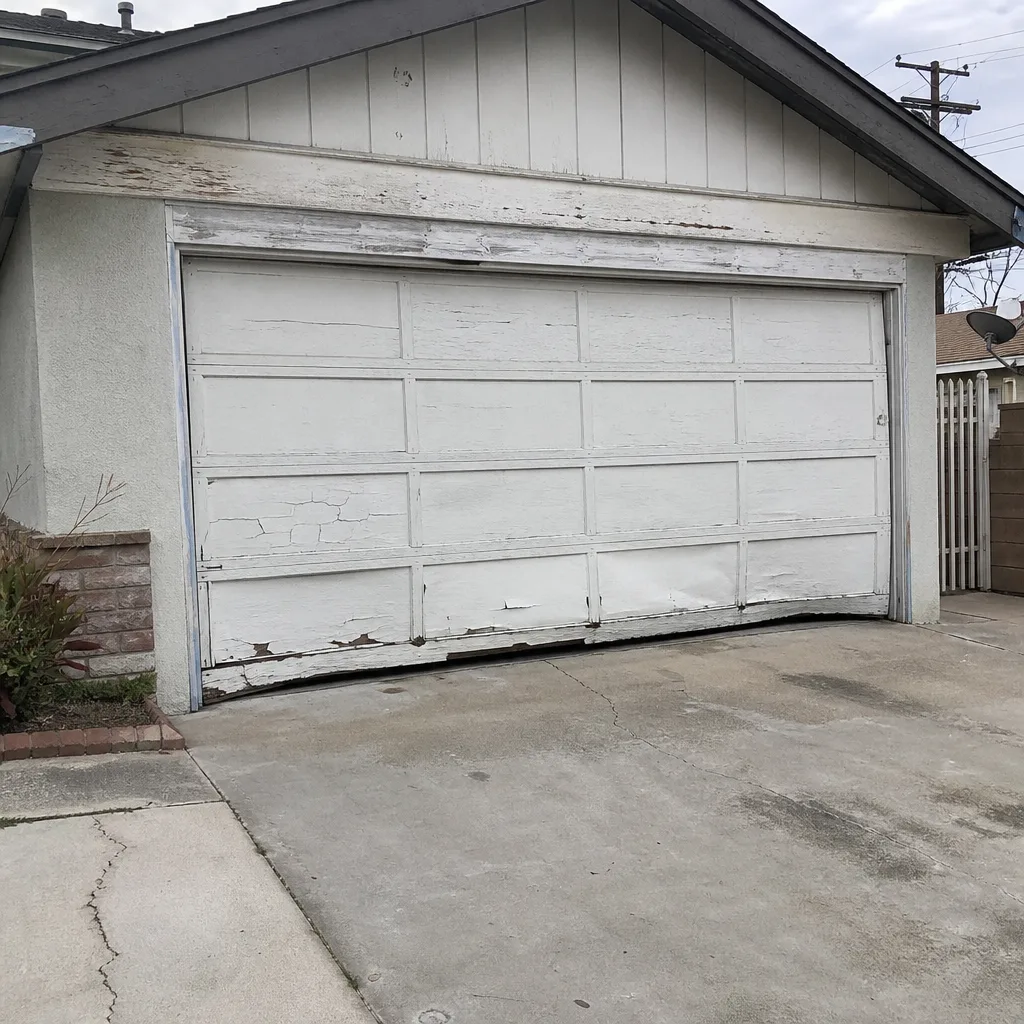 Before
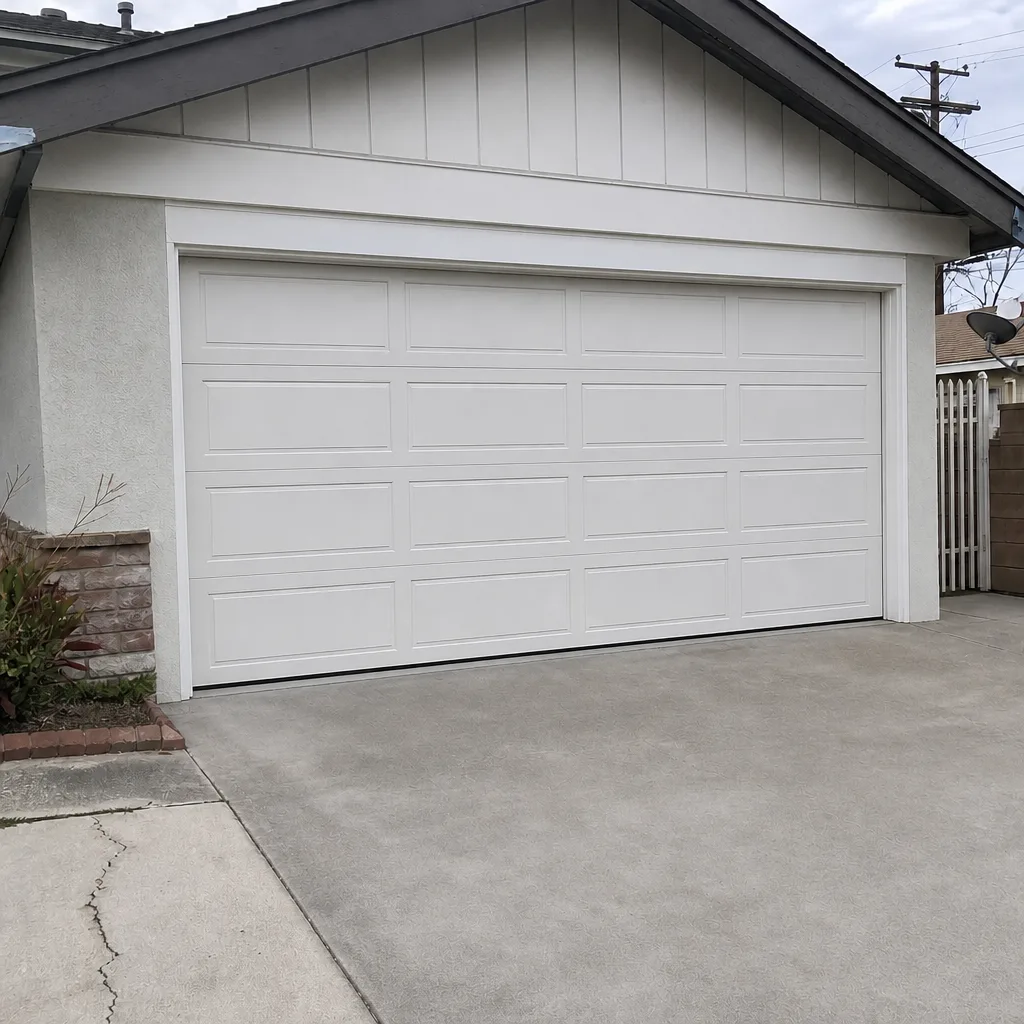 After
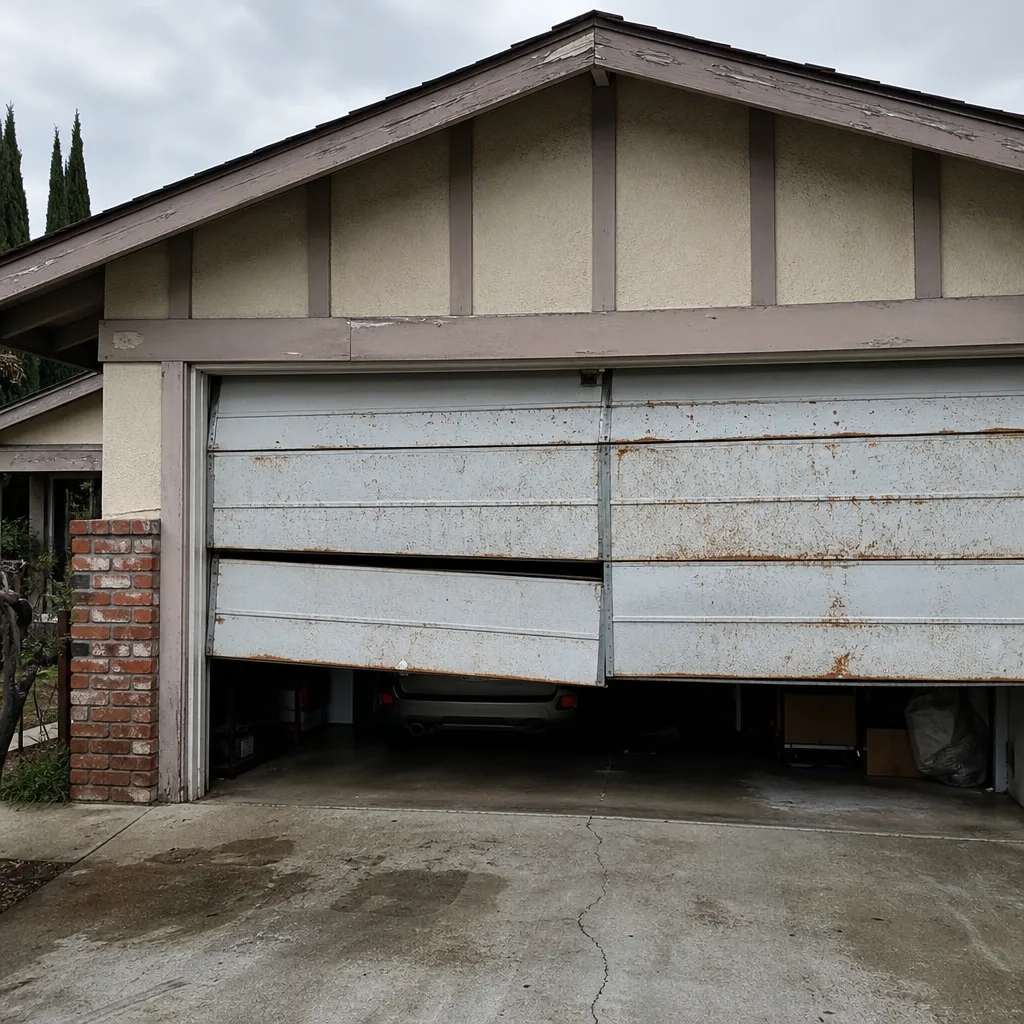 Before
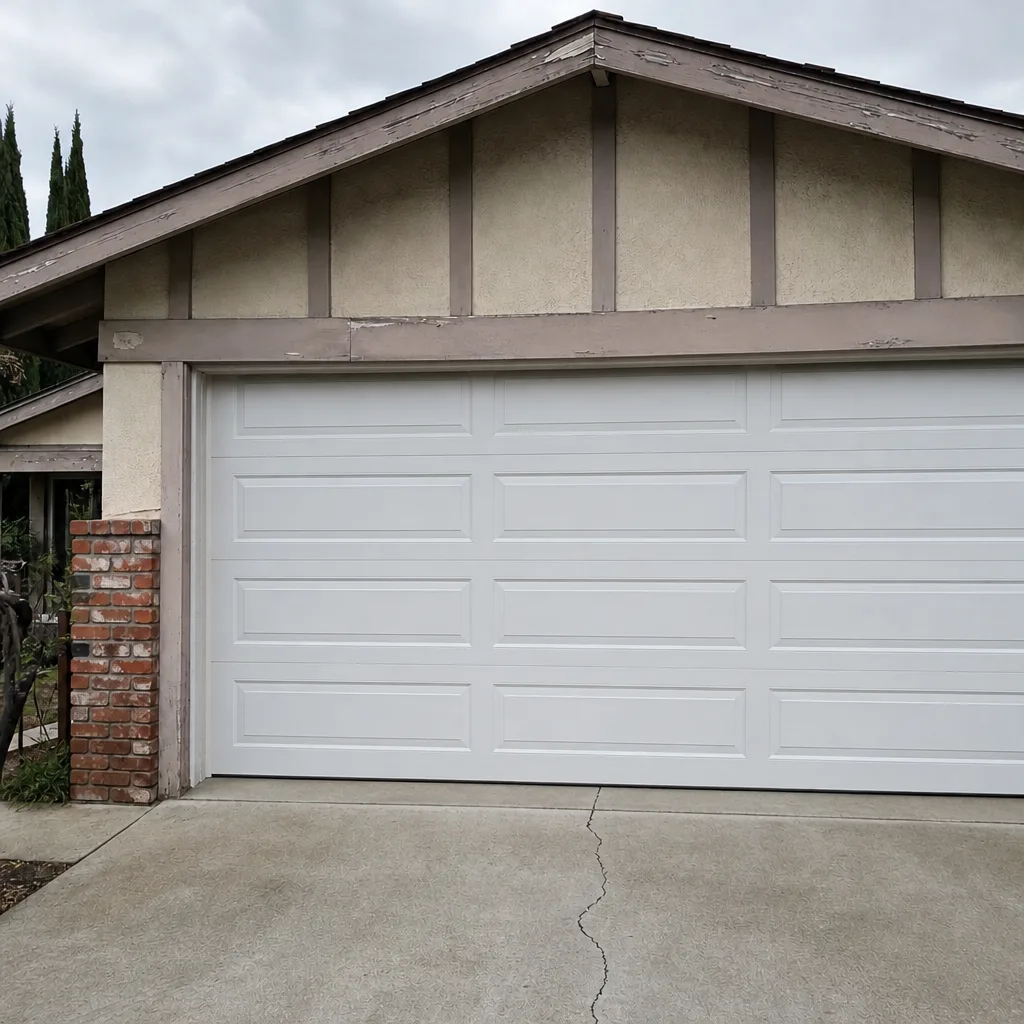 After
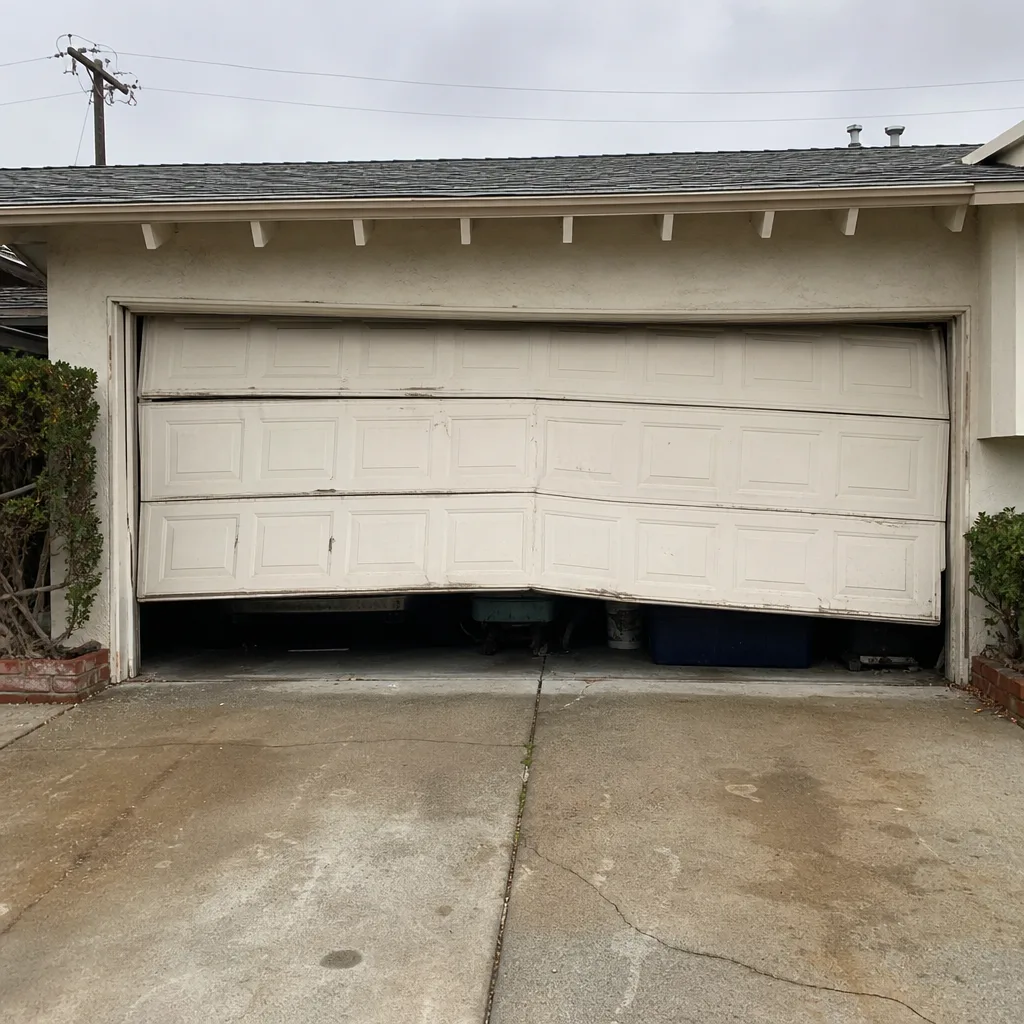 Before
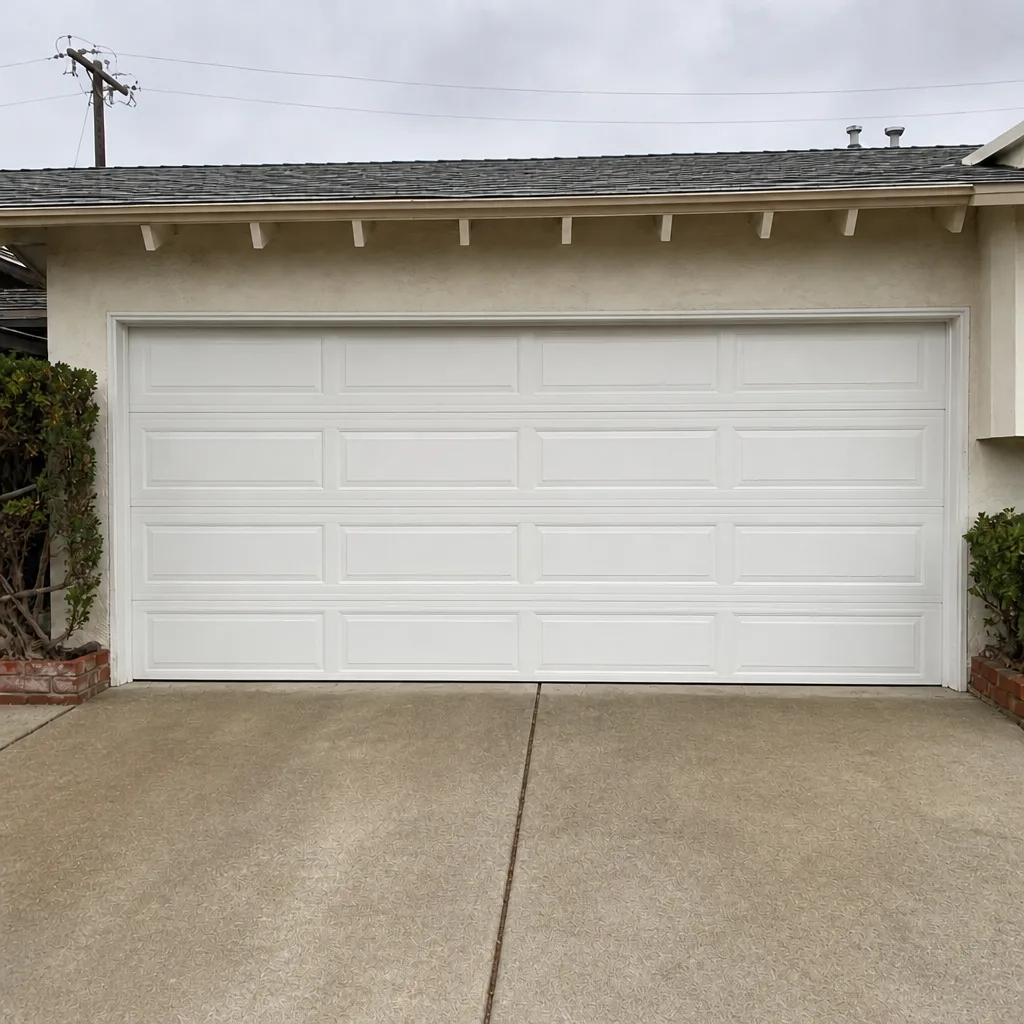 After