
Last updated November 4, 2026
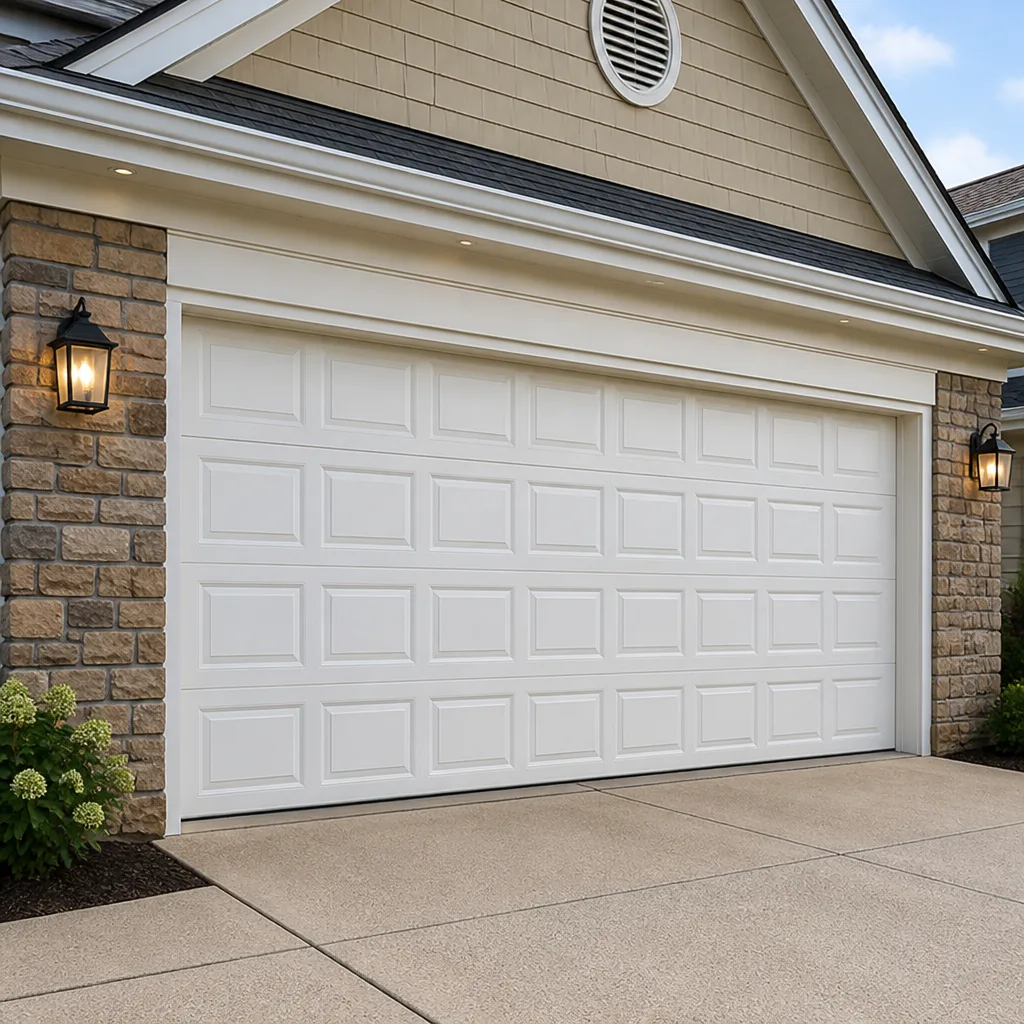 Raised-panel steel
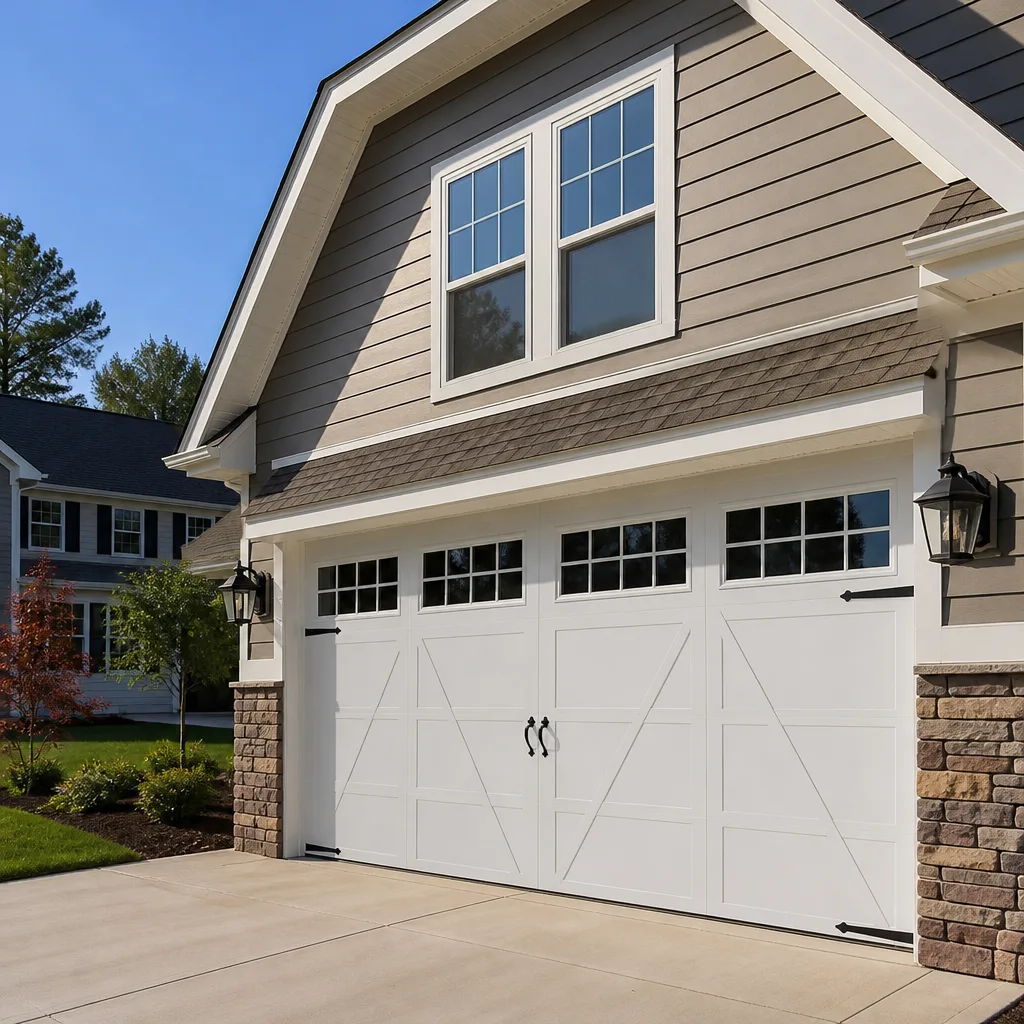
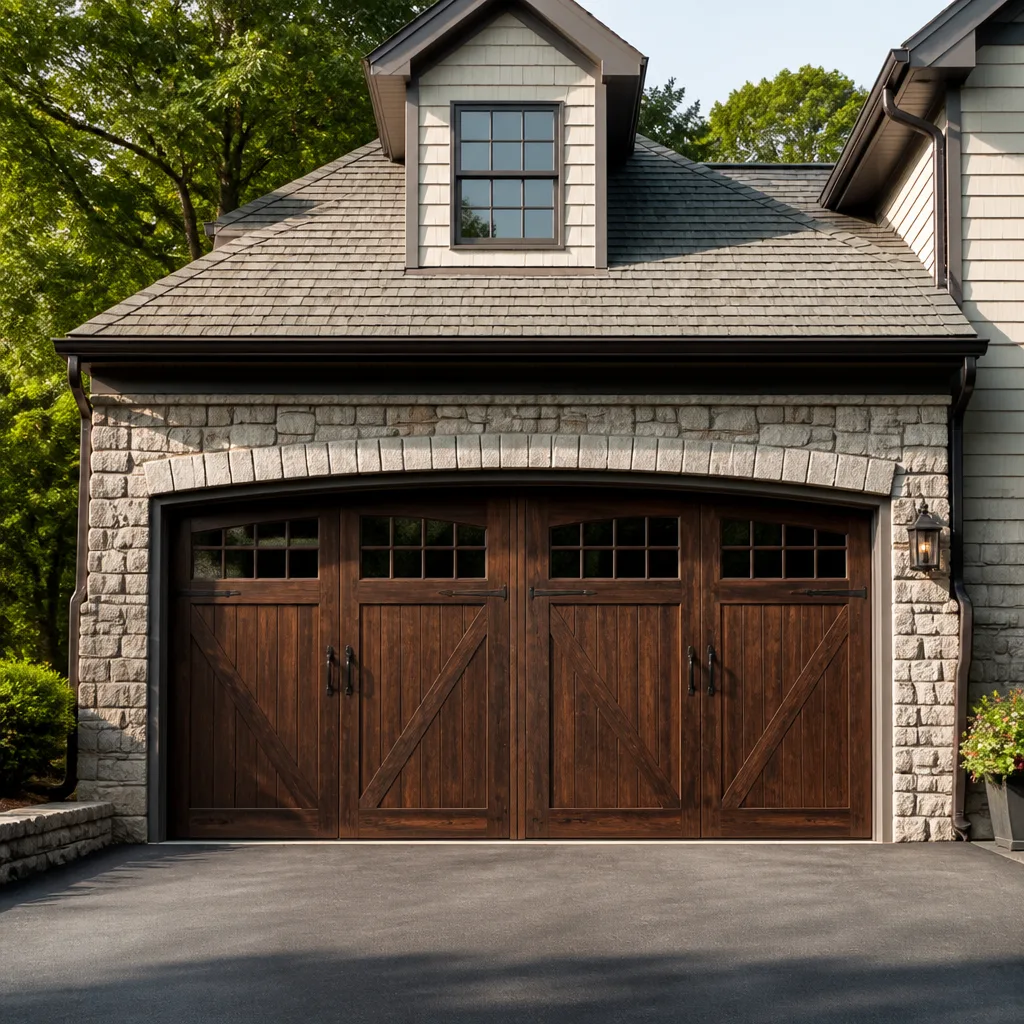 Carriage house
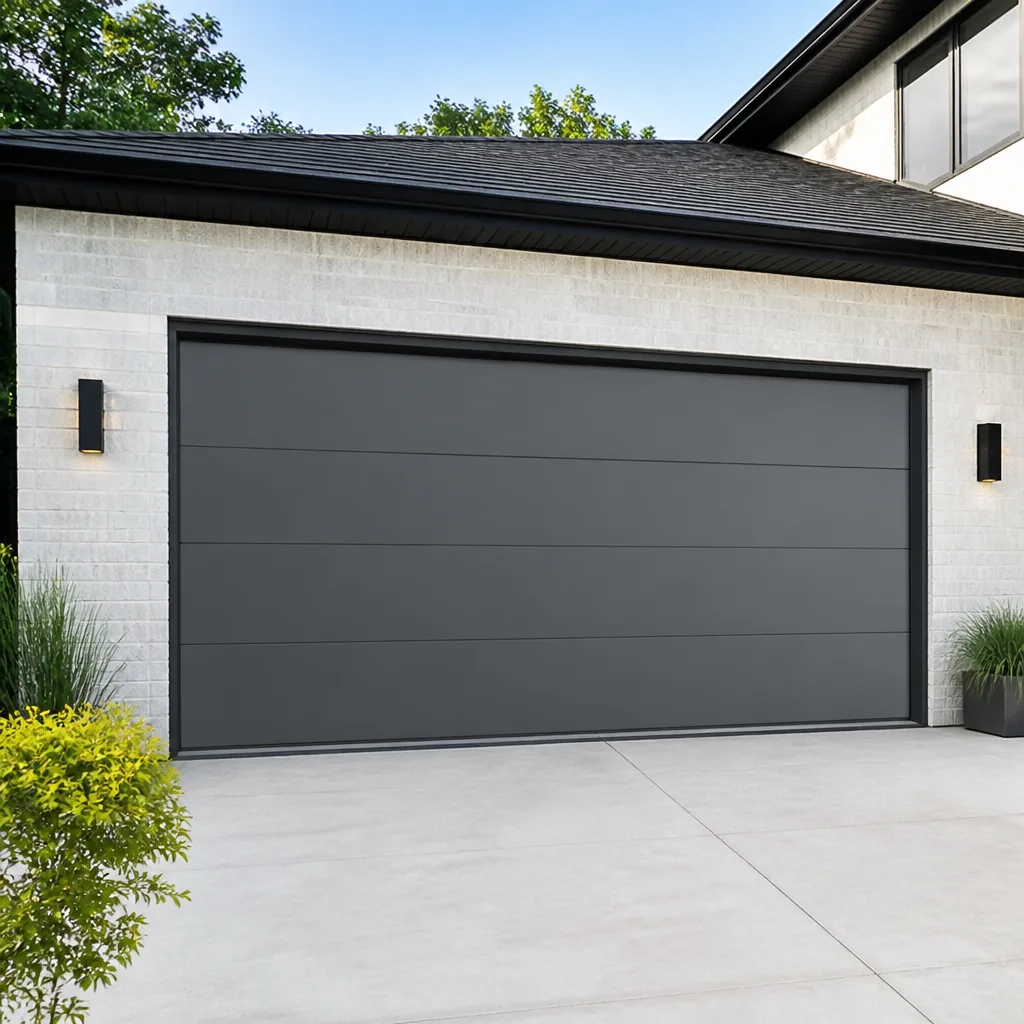 Modern flush
 Full-view glass
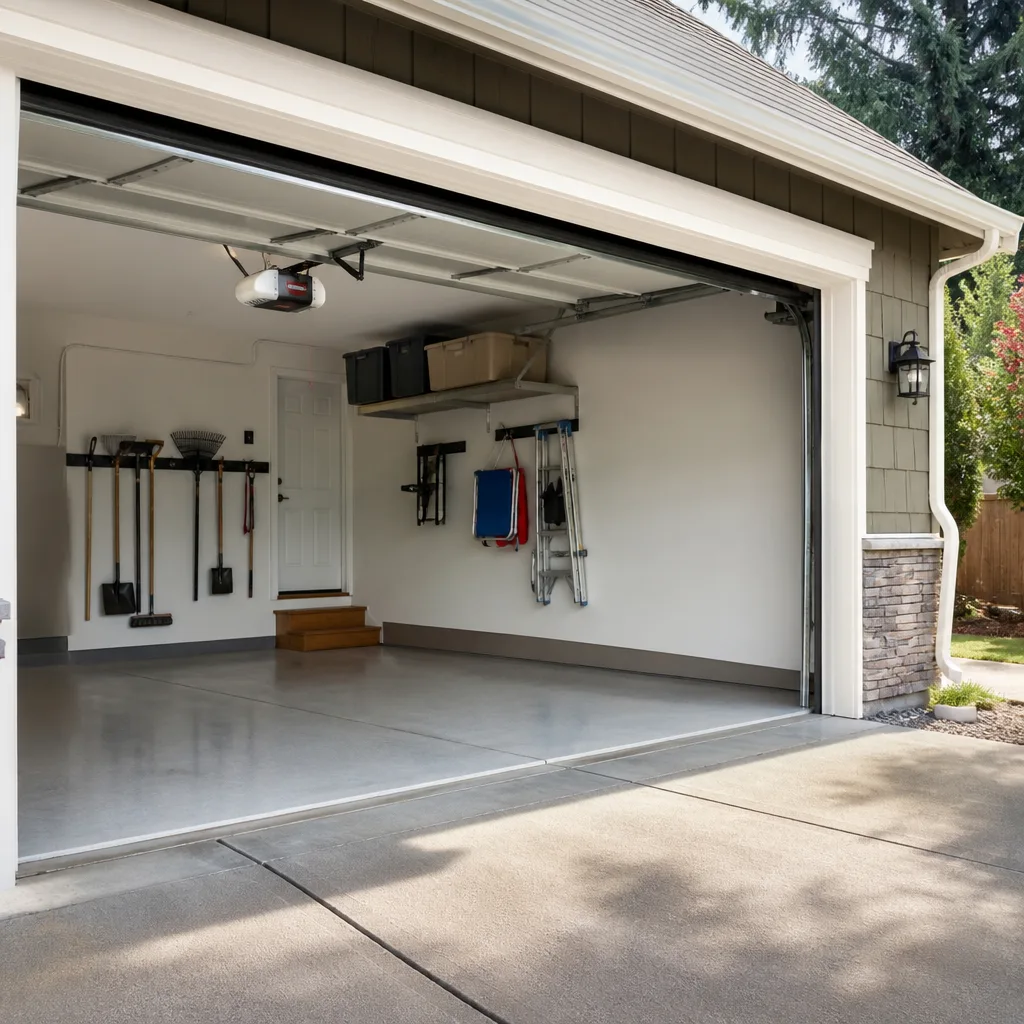 LiftMaster openers
 Chamberlain openers
Full 25-point door and opener safety check with every visit - springs, cables, rollers, tracks, and your LiftMaster or Chamberlain opener included
You get a price before we start. It does not change when the truck arrives.
Get your free estimateGarage Door Emergency Preparedness Guide for La Habra Homes
Most La Habra homeowners prepare for earthquakes by strapping the water heater and adding a wrench to the gas meter. The garage door rarely makes the list until it’s a problem. That’s a costly oversight because the garage is where the cars live, and in an emergency, the cars are how your family gets out. This guide covers the two scenarios that actually happen here: earthquake-related door jamming and power-outage opener lockout. You’ll learn the 30-second manual release drill, how to spot post-earthquake door damage before it worsens, and what parts to have on hand so your garage door never turns into a wall between you and your evacuation route.
Styles & brands we work with
- Raised-panel steel
- Carriage house
- Modern flush
- Full-view glass
- LiftMaster openers
- Chamberlain openers
Quick Answer
Garage door emergency preparedness for La Habra homes means three things: knowing how to operate the manual release cord and when not to pull it, keeping battery-backup or manual-release access ready for power outages during wildfire evacuation windows, and inspecting the door after any earthquake before resuming normal use. The single most important step is practicing the red emergency release drill with every licensed driver in the household. It takes 30 seconds to learn and could save your family’s only exit route during a real emergency.
Table of Contents
- How to Operate the Manual Release Correctly
- Earthquake Damage Patterns in Garage Doors
- Battery Backup Openers for Power Outages
- The 72-Hour Emergency Access Plan
- What to Inspect After a Southern California Earthquake
- Emergency Parts to Keep on Hand
- Common Mistakes to Avoid
- When to Call a Professional
- Frequently Asked Questions
How to Operate the Manual Release Correctly
Every automatic garage door opener has a manual release mechanism. It’s the red cord with a handle hanging from the opener rail, usually near the motor unit mounted on the ceiling. Pulling it disconnects the door from the opener’s drive system, letting you lift the door by hand. Knowing how to use this cord is the foundation of garage door emergency preparedness in La Habra because it works regardless of power, opener age, or brand.
Here’s the correct procedure, practiced on every door in the house at least twice a year:
- Ensure the door is fully closed. Pulling the release with the door open can send it crashing down, especially if a spring has broken. This is the most dangerous mistake homeowners make.
- Firmly pull the red handle straight down and toward the opener. You’ll hear a distinct click as the carriage disengages from the chain or belt.
- Lift the door manually. Use both hands on the bottom edge or the lift handle. A properly balanced door should feel heavy but liftable, and it should stay up on its own at the halfway point.
- Close the door manually. Lower it gently. Never let go partway down. The door should close fully and rest on the ground.
- Re-engage the opener. With the door closed, press the wall button or remote. The opener carriage will travel until it reconnects with the release mechanism. You’ll hear another click when it locks back in.
When not to use the manual release: after any significant earthquake, before checking the vertical tracks and rollers for signs of the door coming off its path. A door that’s partially derailed or bound against a bent track can fall sideways if you release it and pull on one side. In our experience across garage door repair calls in La Habra, we see this exact scenario most often after moderate shaking: the door looks fine, but it’s wedged just enough to jam when released. If the door won’t move freely by hand with the release disengaged, stop and call a professional. Forcing it bends panels, snaps cables, and can drop the door onto whoever is standing underneath.
The release cord should be installed at a height every adult in the house can reach without a step stool. If yours hangs too high, it’s an easy adjustment a technician can make during a routine service call.
Earthquake Damage Patterns in Garage Doors
Southern California earthquakes damage garage doors in predictable ways, and recognizing the patterns helps you know whether you’re dealing with a jam you can fix or a structural failure you shouldn’t touch. The forces involved are lateral shaking, vertical displacement, and the flexing of the wall above the door opening. Each affects different components.
What tends to happen in La Habra after a quake of magnitude 4.0 or higher:
- Vertical track misalignment. The tracks that guide the rollers up the sides of the opening can shift inward or outward as the wall framing flexes. A track that’s out of alignment by even half an inch can bind the door midway up the travel.
- Roller popping out of the track. Steel rollers can jump the track lip during sharp shaking. Sometimes the roller lands back in, sometimes it stays out and the door tilts dangerously.
- Panel misalignment at the hinges. The hinges connecting door panels can loosen or bend, causing one section to sit proud of the one above or below it. This often makes the door stick at the transition point.
- Cable derailment from the drum. The lift cables that carry the door’s weight alongside the springs can jump off the cable drum, especially if the door bounces during shaking. This is a serious condition: the cable can snap under tension and whip.
- Door frame racking. The wood or steel frame around the opening can shift slightly out of square. The door still works on its tracks, but it scrapes, binds, or seals unevenly.
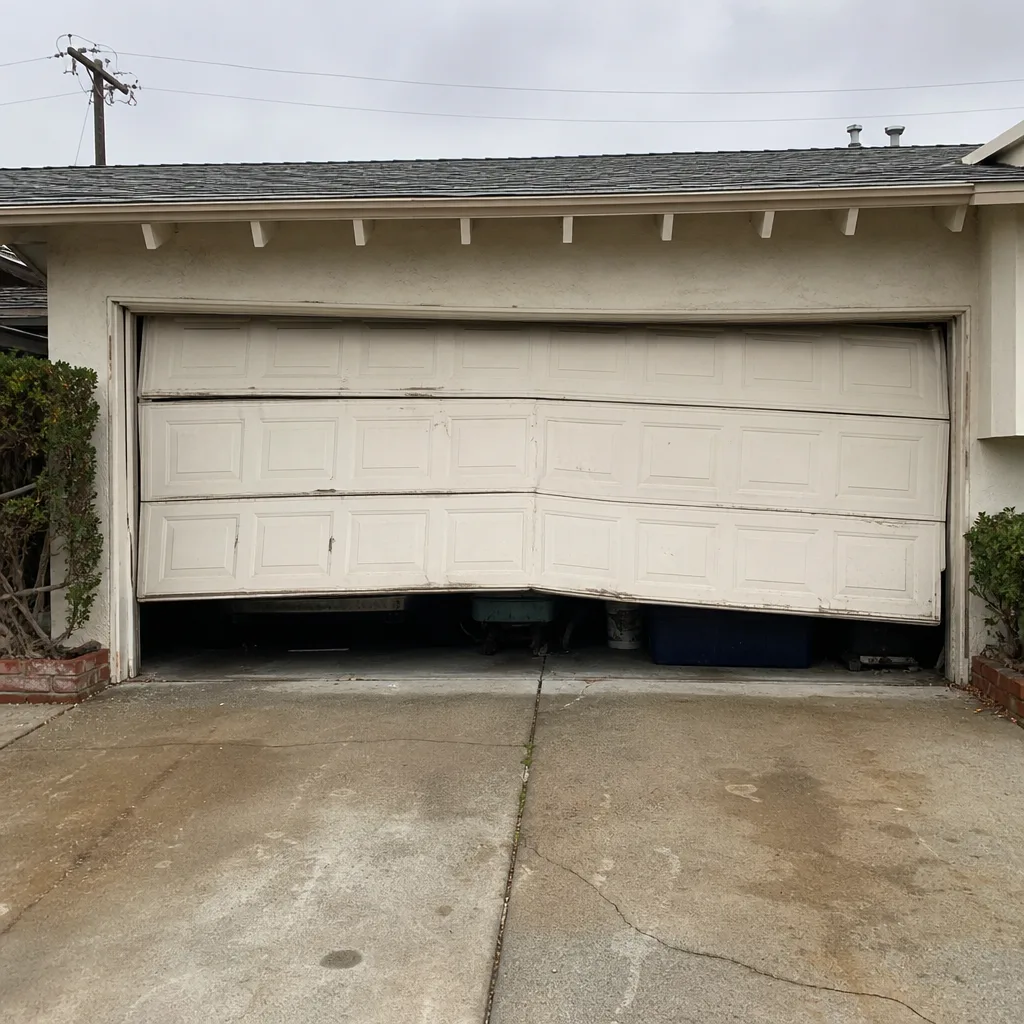
How to tell if the door is inoperable or just misaligned from outside the garage: stand back and look at the gap between the door and the side frame on both sides. If the gaps are roughly even and the door is flush against the ground, the door itself is likely fine and any binding is track or roller related. If the door is visibly angled, one corner is lifted off the floor, or the panels are separated at a hinge line, the door is structurally compromised. Do not operate it. A door in that condition can drop suddenly if a spring lets go.
Many Clopay, Amarr, and Wayne Dalton doors handle moderate shaking well because their panels are designed with some inter-section flex. But the hardware matters more than the brand: thin-gauge tracks and short mounting brackets fail earlier than heavy-gauge components. If you’re after a new door for a La Habra house, ask about upgraded track gauge. It’s an inexpensive way to buy much better earthquake resilience than a standard residential install provides.
Battery Backup Openers for Power Outages
Power outages in La Habra are not a winter freezethreat. They’re a summer and fall reality tied to Southern California Edison’s grid management during Santa Ana wind events and heat waves. When the utility shuts off power to reduce wildfire risk in the hills, your garage door opener becomes a dead bolt unless you have a plan for it. This matters most when an evacuation order arrives during an outage and the car is stuck behind a door that won’t open on its own.
Two practical approaches solve the problem:
- Battery backup openers. LiftMaster and Chamberlain both sell belt-drive and chain-drive openers with integrated battery backup units that mount beside the motor. When grid power drops, the opener switches to battery automatically. A healthy battery typically runs 20 to 50 open-and-close cycles over a 24-to-48-hour window, depending on the model and age of the pack. That’s plenty for an evacuation and a return home.
- Manual release knowledge. A correctly practiced manual release works every time, with no battery to maintain. The tradeoff is that lifting a 150-to-250-pound door by hand is hard for some people, especially older adults or anyone with shoulder or back issues. We recommend that every La Habra household have at least one strong adult who can comfortably lift the door manually, and that every other driver know how to pull the release so that person can do the lifting.
The right answer for most La Habra homes is both: a battery backup opener for daily convenience, and a tested manual release routine as the fallback. Battery packs have a service life of roughly three to five years in our experience with the Southern California heat, which shortens lead-acid and lithium pack life compared with cooler climates. We tell homeowners to treat the backup battery the way you treat smoke detector batteries: test it on a fixed schedule. Kill the breaker to the opener twice a year and confirm the door still opens smoothly on battery power. If it doesn’t, the pack needs replacing, which is a simple service item.
For a new opener on a La Habra home, our team typically recommends a belt-drive LiftMaster or Chamberlain model with integrated backup, chosen for quieter operation and strong support for the multi-brand remote systems most households already have. If you’d rather keep your existing opener, a retrofit battery backup unit is available for many models. A garage door opener repair visit is often the fastest way to get a backup installed correctly and test it before you need it.
The 72-Hour Emergency Access Plan
Emergency planners talk about being ready to sustain yourself for 72 hours after a disaster. For garage doors, the 72-hour principle is simpler: within three days, every driver in the household must be able to get a car out without grid power and without calling a technician. That means preparing access, not just reacting to it.
Build this plan for your La Habra home:
- Spare opener for every driver. Each licensed driver in the household gets a working remote, stored in a consistent place like a key hook or glove compartment. Test every remote monthly with the door closed and the car in park.
- Keypad code documented. The outside keypad is the fastest re-entry option when a remote is lost or dead. Write the code down and keep it in a secure but findable location: not in the glove box of a car parked outside, but inside the house in a known spot, such as a labeled drawer. Program a new code once a year.
- Manual release location marked. Paint a bright mark, use reflective tape, or hang a flag on the red manual release handle so anyone can spot it in a dark garage with a flashlight. If the power is out and the garage has no windows, it’s pitch black. A headlamp on a hook beside the interior door is a good addition.
- Lock bar or slide lock released. If your door has a manual slide lock on a side track, make sure every driver knows how to disengage it from inside. A locked slide lock paired with an opener is a recipe for a stripped gear.
- Fresh batteries for remotes and keypad. Keep a pack of the right coin cells in a labeled bin. Check which type your remotes use and write it on the bin.
We’ve seen every variation of this plan work and fail in La Habra garages. The ones that fail, fail for one of two reasons: the remote battery died quietly months before it was needed, or the manual release cord was tied up, cut short, or hidden behind storage. Both are avoidable in ten minutes. The ones that succeed treat garage access like a smoke alarm: a boring piece of home maintenance that saves lives because it works when everything else doesn’t.
What to Inspect After a Southern California Earthquake
After any earthquake strong enough to rattle the windows, take five minutes to inspect the garage door before you use it. A quick check now prevents a major failure later, and it tells you whether the door is safe to operate or needs to stay put until a technician can look at it. Do this from both inside and outside the garage, and never have anyone stand under the door during the inspection.
Work through this checklist in order:
- Visual gaps. From outside, check that the bottom of the door rests evenly on the ground on both sides. A corner lifted more than half an inch signals frame racking or track displacement.
- Track alignment. Look along each vertical track from floor to ceiling. Both should be straight and parallel to the side frame. Any curve, kink, or mounting bracket pulled away from the wall means the door is not safe to operate.
- Roller engagement. Confirm every roller is inside the track. If one has popped out, do not try to force it back in by hand while the door is under spring tension. Close the door if you can, then call a technician.
- Hinge tightness. Wiggle each hinge where the panels meet. Loose hinge bolts can be tightened, but bent hinges should be replaced, not straightened.
- Cable condition. With the door closed, look at the lift cables on both sides. They should be taut and seated cleanly on the drum. Slack cable or rust-marred strands are a warning sign: a cable can snap without further shaking.
- Opener function. Operate the door through one full open-and-close cycle using the wall button. Listen for grinding, clicking, or straining. Stop immediately if the door pauses or reverses unexpectedly.
- Spring check. With the door closed, inspect the torsion springs above the opening or the extension springs along the tracks. On a torsion system, the two springs should look identical. Gaps between coils, a visible separation at the midpoint, or a pronounced lean to one side indicate a broken or failing spring.
If everything checks out, operate the door normally and schedule a professional tune-up if the quake was especially sharp or your door is more than 10 years old. A Garage Door Service La Habra technician can run a full torque test on the springs, re-lubricate the rollers and hinges, and confirm that all mounting hardware remained true. It’s a sensible way to catch small issues before the next shake turns them into a big one.
If any item on the checklist fails, leave the door as it is. Tape off the area if there are children in the house, and keep cars parked outside until a technician has inspected the system. The springs on a garage door remain under tension even when the door is closed; a track or cable problem can interact with that tension unpredictably if the door is forced. This is not a place for improvisation.
Emergency Parts to Keep on Hand
You cannot stock every part for every failure, but a handful of low-cost items can prevent a minor garage door issue from becoming a serious one. In La Habra, where most La Habra homes were built between the 1950s and 1990s, doors tend to be sectional steel with standard hardware, and the parts below fit most of them.
- Replacement remote batteries. The single most common emergency. Identify the battery type in each remote and keep a 5-pack in the garage.
- Keypad backup battery. If your outside keypad has a removable battery cover, keep a spare. A dead keypad on the day you lock yourself out is a needless service call.
- Roller replacements (2-3). Nylon rollers wear out and can crack, especially in the summer heat. A cracked roller can jam the door inside the track. Having two or three on the shelf lets a technician swap them in one visit, and in some cases a confident homeowner can do it themselves on the bottom brackets only, which are not under spring tension.
- Emergency release handle replacement. The plastic handle on the red manual release cord breaks more often than you’d think. A spare handle costs a few dollars and takes a minute to install.
- Garage door lubricant. A spray can labeled for garage door use keeps rollers, hinges, and springs working smoothly between services. Do not use WD-40 as a roller lubricant: it’s a cleaner, not a lasting lube.
We also recommend making a note of your door and opener brand somewhere near the fuse box. Write it down: the door manufacturer (Clopay, Amarr, Wayne Dalton, Raynor, or another brand), the opener brand (LiftMaster, Chamberlain, Genie, Craftsman, or Raynor), and the approximate age of each. When you call for service during an emergency, having that information ready speeds up the diagnosis. Our technicians work on all of those brands, and knowing the model means the right parts go on the truck before we arrive. Garage doors are all we do, so the truck is stocked for the specific equipment our technicians see across La Habra’s housing stock.
Common Mistakes to Avoid
- Pulling the manual release with the door open. If a spring has broken and the door is up, pulling the release sends the door down with full force. Always release with the door closed unless the opener is actively holding the door against a failure, in which case get everyone clear and call a professional.
- Storing the only remote in a car parked in the garage. If the power goes out and you can’t open the door, you also can’t get to the remote inside the car. Keep at least one spare remote inside the house.
- Ignoring slow or noisy operation for months. A door that’s getting louder or slower is telling you a spring, roller, or opener component is degrading. In La Habra’s heat, nylon rollers harden and crack faster than in coastal climates, so don’t wait for a complete failure before acting.
- Using the garage as the only exit route plan. Every household should also have a pedestrian door exit path. If the garage door fails during an earthquake and the pedestrian door is blocked by storage, you’ve lost the exit.
- Force-opening a bound door after a quake. Pulling harder on a door that’s caught on a bent track bends the panel, breaks rollers, and can snap cables. If it doesn’t move with moderate hand force on the manual release, stop.
- Testing the backup battery only when the power goes out. The blackout is the wrong time to learn the battery died six months earlier. Schedule the breaker-kill test twice a year.
- Overlooking the outside keypad. It’s the fastest way back in when a remote is lost or stolen. If you don’t remember your keypad code, reset it now, not during an emergency.
When to Call a Professional
Some garage door emergency issues are safe to work through with the manual release, a flashlight, and the inspection checklist above. Others are not. Call a professional whenever a spring is broken or visibly separated; whenever a cable is off its drum, frayed, or slack; whenever the door has come off its tracks or a roller has popped out; or whenever the door has been hit by a car, a fallen branch, or enough shaking to visibly tilt it in the opening. These conditions involve stored energy in the springs and weight distribution that can shift without warning.
If you’re not sure whether a door issue is safe to operate, call. Garage Door Service La Habra offers free estimates in La Habra, and a technician can inspect the door on-site and give you a straight answer about whether it needs repair, replacement, or just a lube and adjustment. Call (833) 589-9397. We answer 24/7. Fast dispatch from 7am to 7pm, Sunday through Friday.
Frequently Asked Questions
Pull the red manual release handle hanging from the opener rail to disconnect the door from the opener, then lift the door by hand from the bottom edge. If the door is properly balanced, it will lift with steady pressure and stay up when opened fully. Call (833) 589-9397 if the door won’t lift or feels too heavy – that indicates a spring problem that needs professional attention.
Check the vertical tracks for bends or mounting brackets pulled away from the wall, confirm all rollers are seated in the track, and verify the door sits evenly on the ground with even side gaps. If anything looks off, leave the door in place and call for a professional inspection before operating it.
Many LiftMaster and Chamberlain openers from the last decade support a retrofit battery backup unit, and some older Genie models do as well. The backup connects to the opener’s power circuit and sits on the ceiling beside the motor. A technician can confirm compatibility by model number, install the unit, and test it with you.
Test it twice a year, once in spring and once in fall, with every licensed driver in the household taking a turn. The test takes about 30 seconds per person and ensures that when an evacuation or blackout happens, nobody is learning how to pull the release for the first time in the dark.
Noise after a quake usually means track misalignment, loose mounting brackets, or a roller that’s no longer running true inside the track. Even a small shift in the framing can change the door’s travel path enough to cause grinding or rattling. Have the door inspected and the tracks realigned rather than waiting for the noise to become a jam.
Yes. We work on the brand you already have, including Amarr, Clopay, Wayne Dalton, Raynor, LiftMaster, Chamberlain, Genie, and Craftsman. Repair first is our approach: we diagnose the existing equipment and recommend replacement only when it’s genuinely the safer or more economical choice for your La Habra home.
The Bottom Line
Garage door emergency preparedness comes down to three habits: practice the manual release until it’s muscle memory, keep your opener’s power plan in place with a battery backup or a spare remote strategy, and inspect the door structurally after every significant earthquake before naming it safe. The parts fail in predictable ways, and the fixes are usually straightforward when caught early. La Habra’s risks – quakes and wildfire-season outages – are specific, but your prep doesn’t need to be complicated. Walk through the 72-hour access plan this weekend. Test the release. Check the battery. Write the keypad code down. When the next emergency arrives, you’ll be ready to open the door and go.
Written by the team at Garage Door Service La Habra, serving La Habra since 2018.
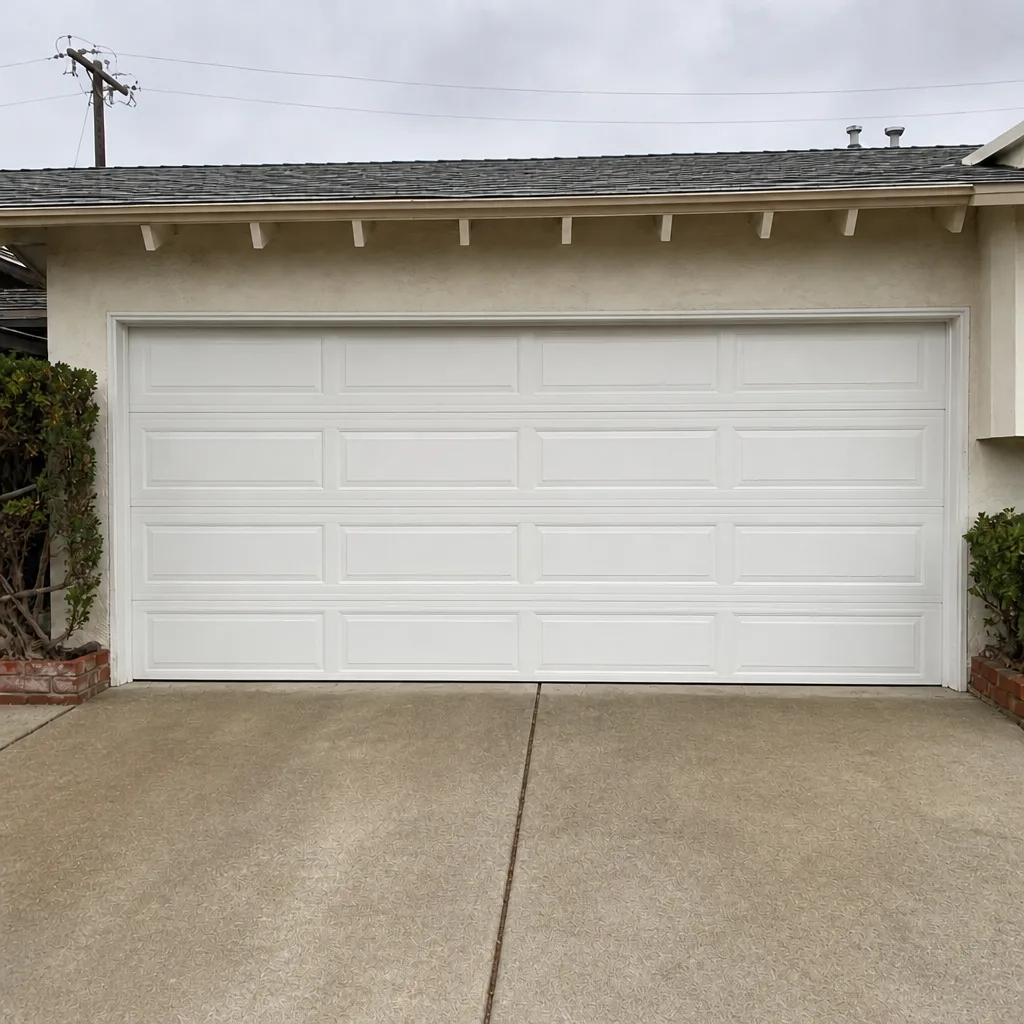
See the difference
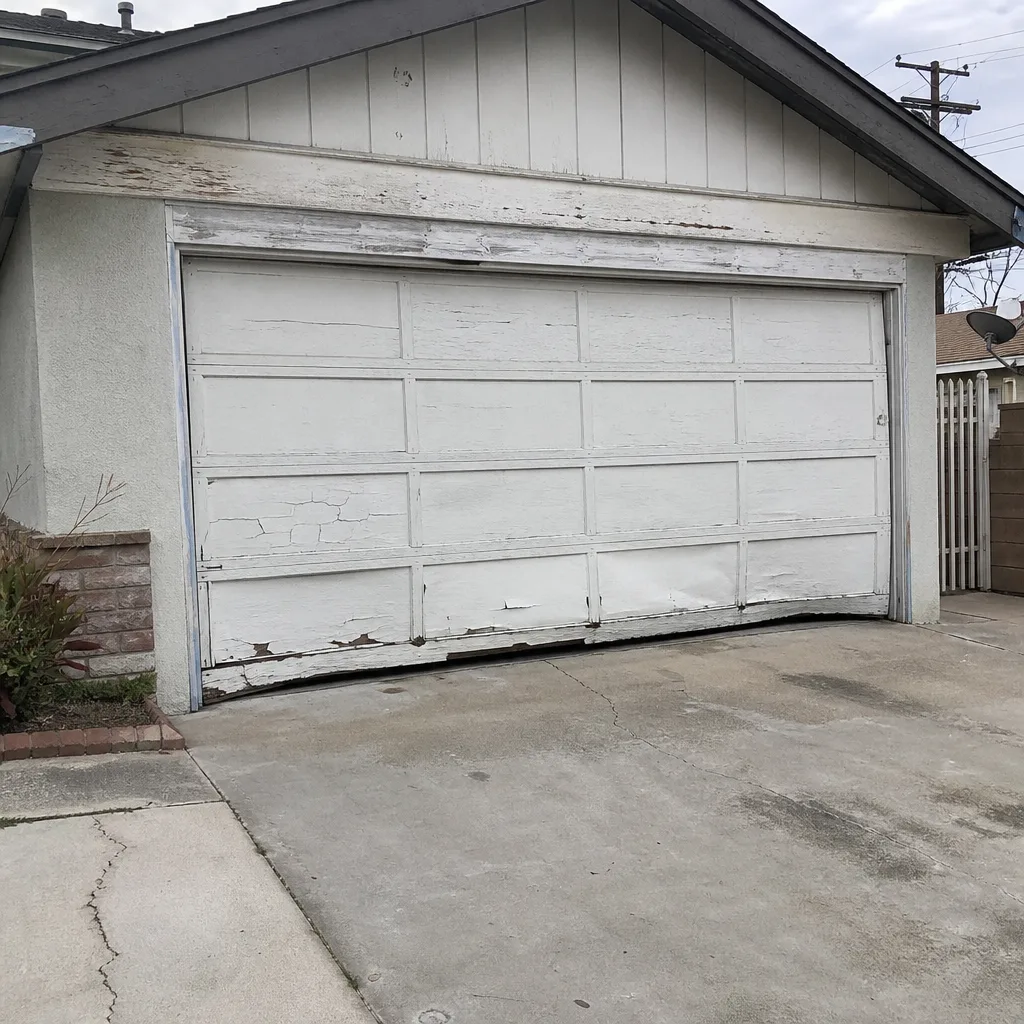 Before
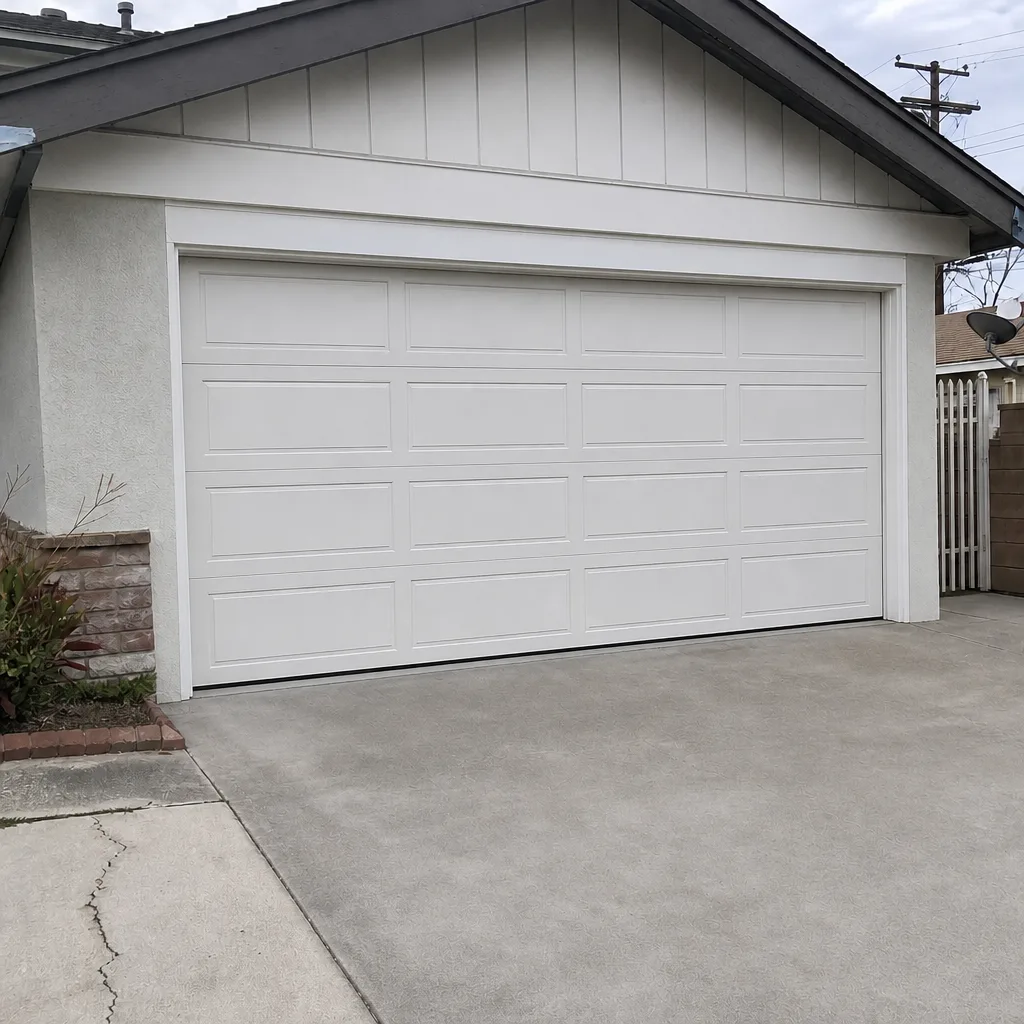 After
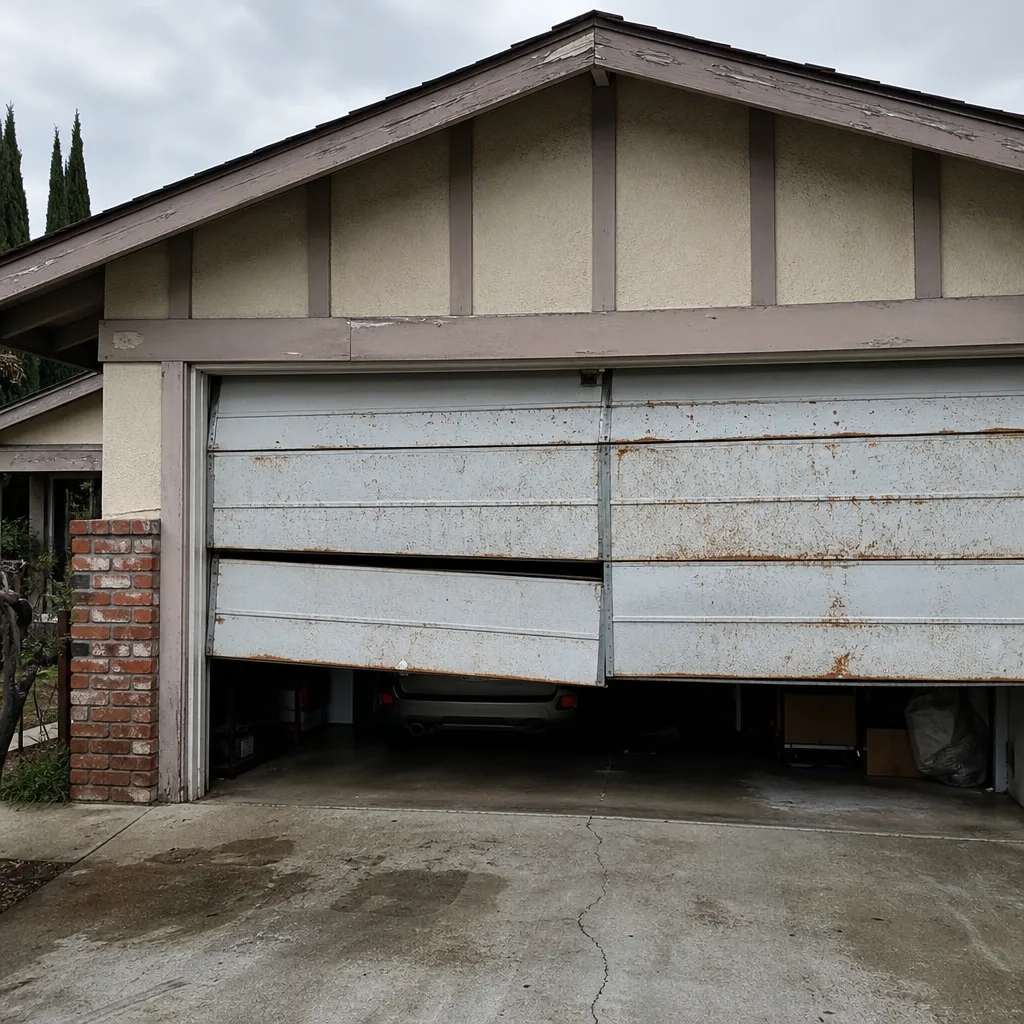 Before
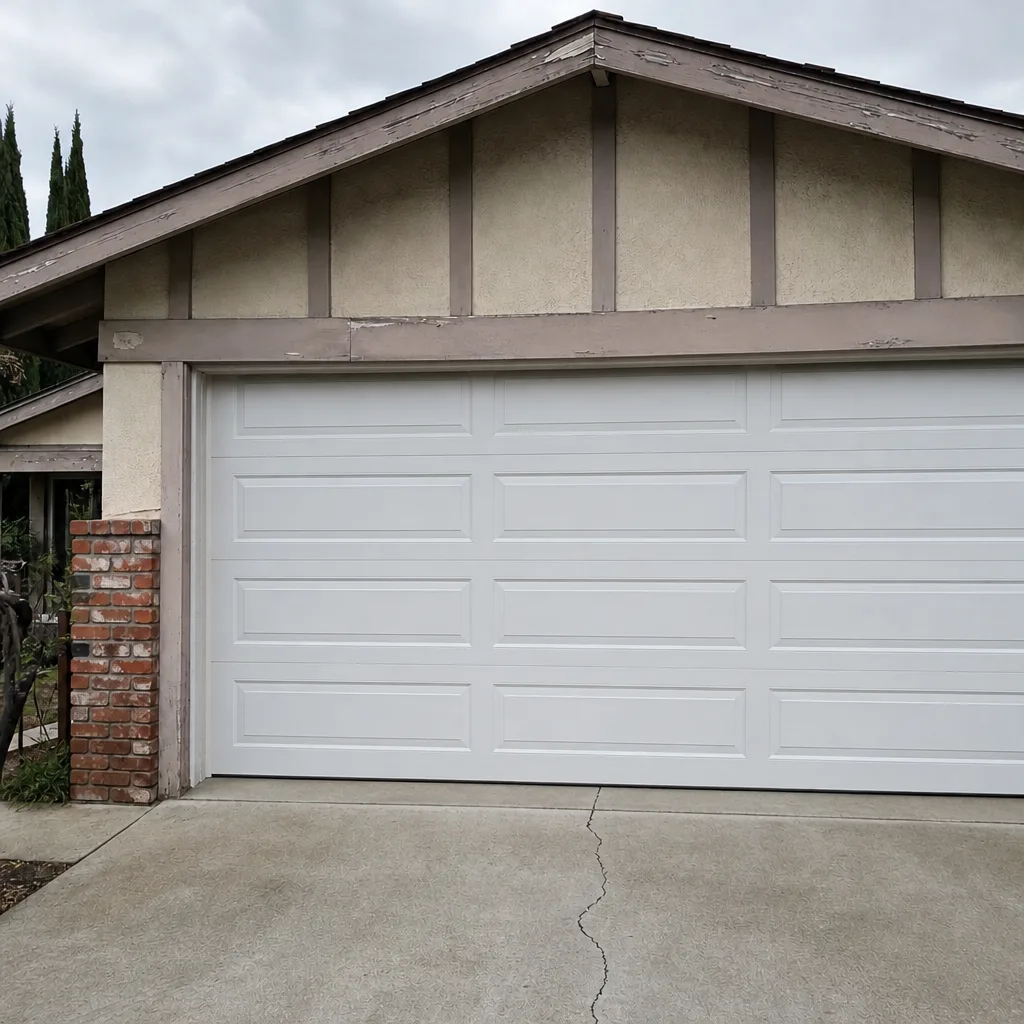 After
 Before
 After