
Last updated November 4, 2026
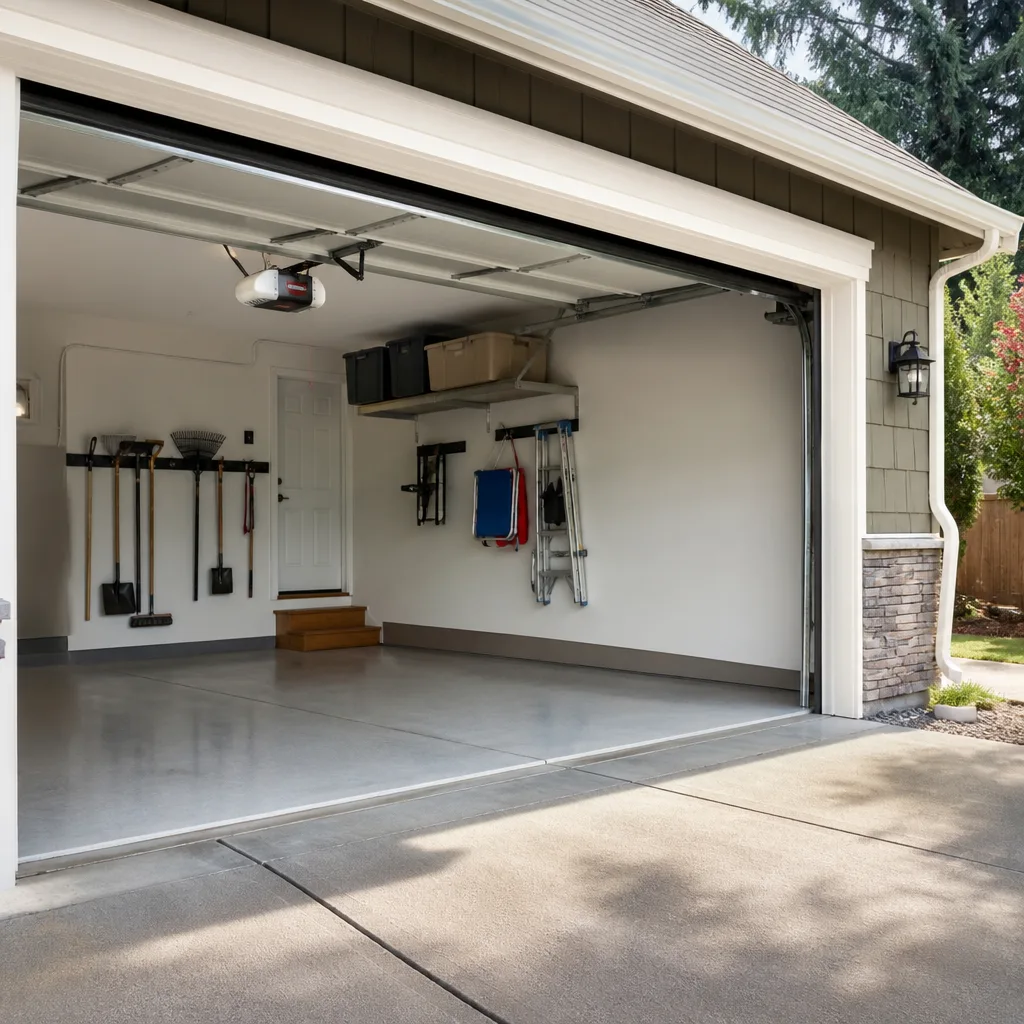
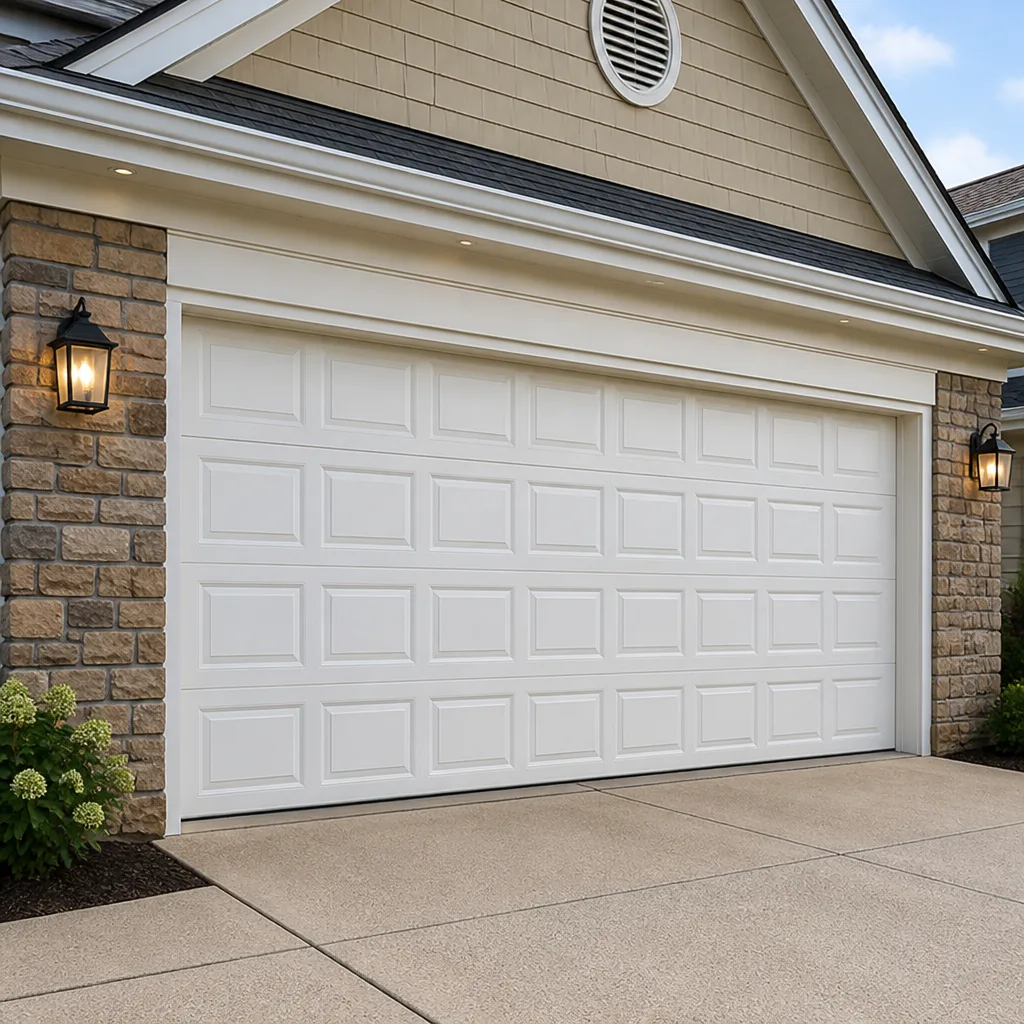 Raised-panel steel
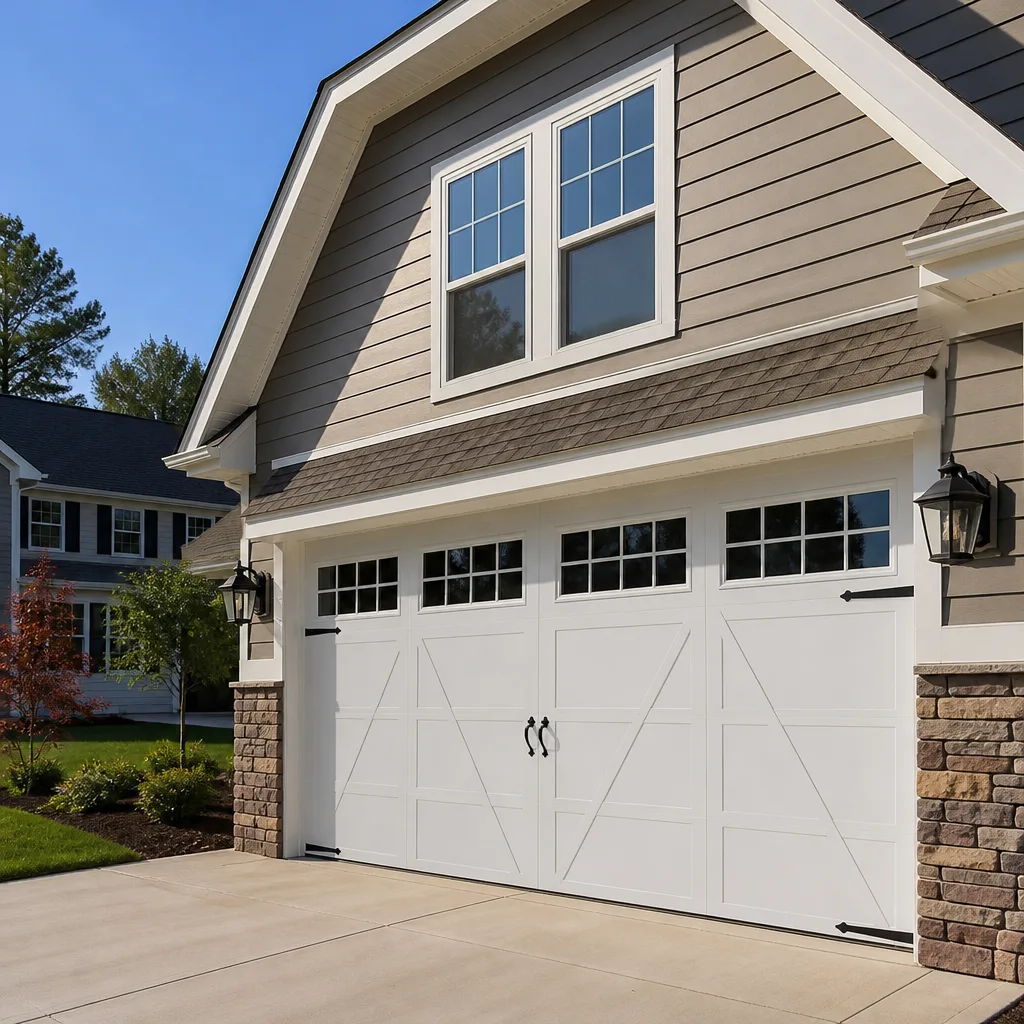
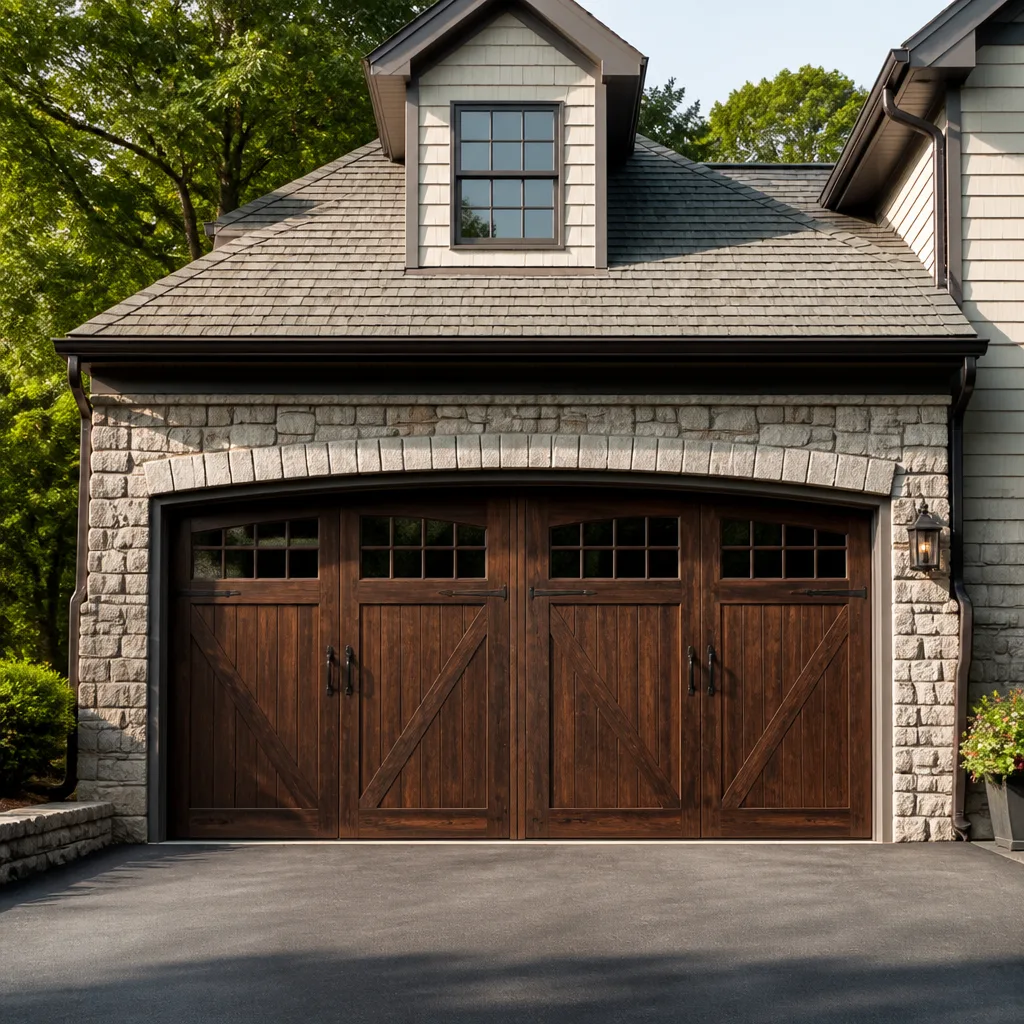 Carriage house
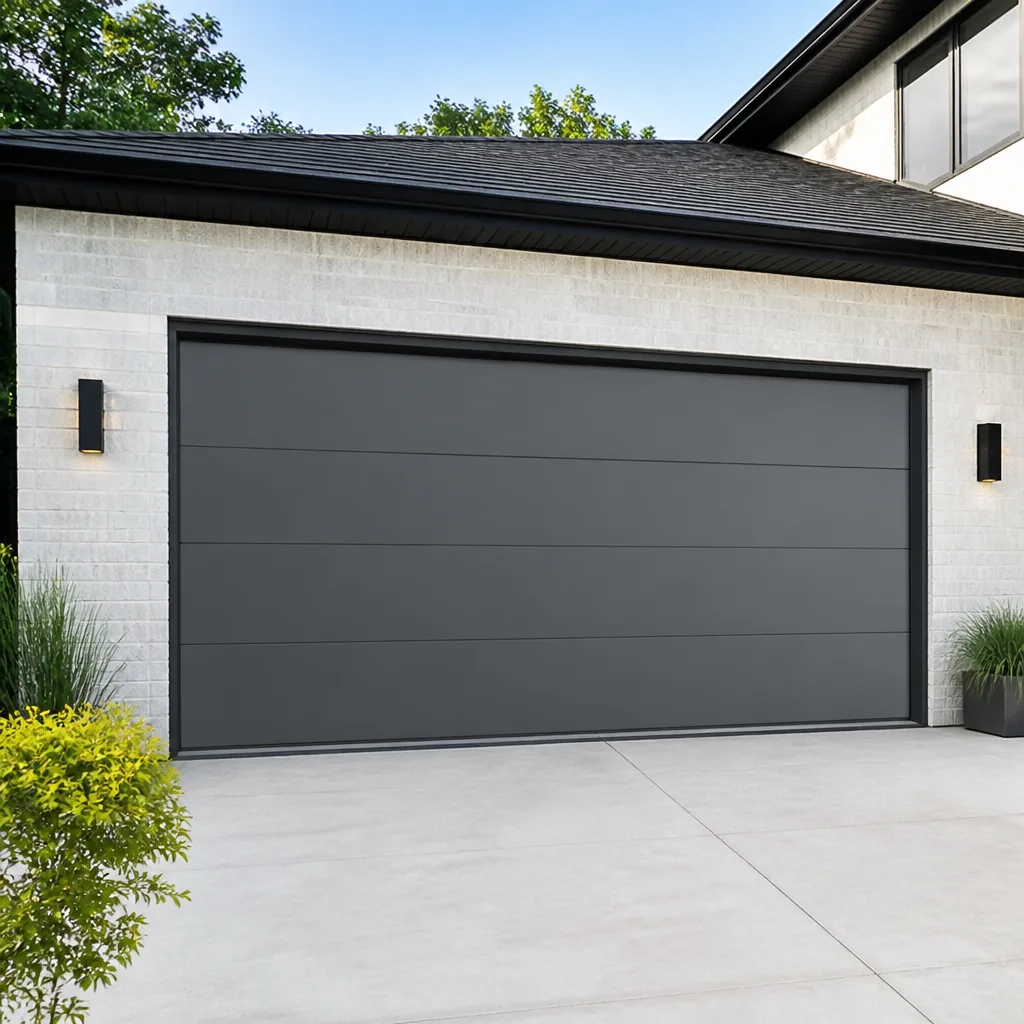 Modern flush
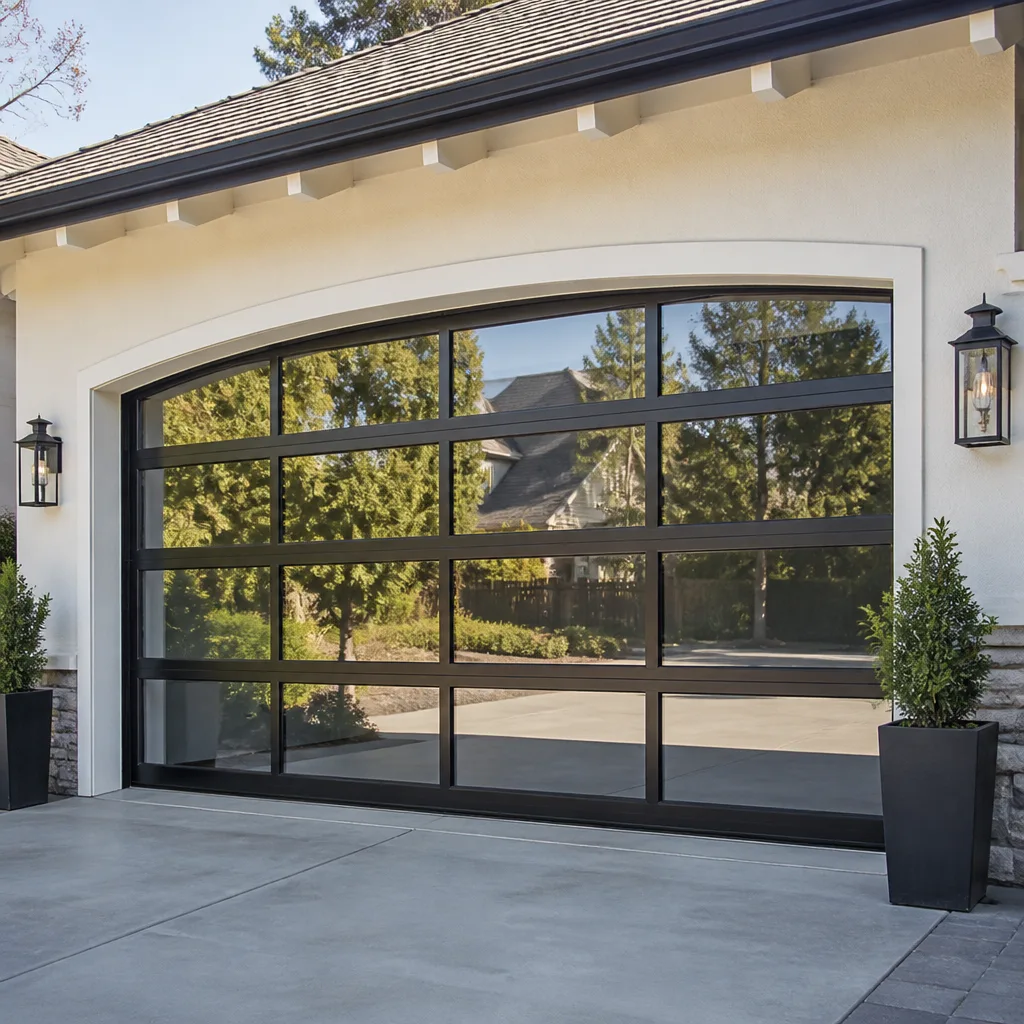 Full-view glass
 LiftMaster openers
 Chamberlain openers
Full 25-point door and opener safety check with every visit - springs, cables, rollers, tracks, and your LiftMaster or Chamberlain opener included
You get a price before we start. It does not change when the truck arrives.
Get your free estimateGarage Door Repair Maintenance Checklist for La Habra Homeowners
Most people assume a garage door fails because of one dramatic event: a spring snaps, a cable frays, an opener burns out. In our experience working on doors across La Habra, that’s only half the story. The bigger issue is the slow, quiet damage that happens over months of Southern California heat. Rubber seals harden, panels fade and flex, and lubrication evaporates until moving parts grind against each other. By the time you hear the first grinding noise or see the door hesitate, the damage is already underway. This guide gives you the eight checks that actually matter on a La Habra garage door, ranked by how often we see them prevent a repair call.
Quick Answer
A garage door maintenance checklist for La Habra homeowners should focus on eight checks done in a specific order: bottom seal condition, panel alignment, lubrication on rollers and hinges, spring wear inspection, opener force testing, cable inspection, track cleaning, and hardware tightening. Most of these take under ten minutes combined. Done monthly from March through November, they stop the most common La Habra repair issues before they strand you outside your garage.
Styles & brands we work with
- Raised-panel steel
- Carriage house
- Modern flush
- Full-view glass
- LiftMaster openers
- Chamberlain openers
Table of Contents
- Check 1: The Bottom Seal (The One That Causes More Calls Than Springs)
- Check 2: Lubrication (Heat Evaporates It Faster Here)
- Check 3: Spring Wear (Spot It Without Touching Anything)
- Check 4: Opener Force and Safety Reversal
- Check 5: Cable Condition
- Check 6: Track Alignment and Cleanliness
- Check 7: Hinges, Rollers, and Bolts
- Check 8: Panel Condition and UV Fading
- What a Homeowner Should Never Touch
- The La Habra Maintenance Schedule (It’s Not Spring and Fall)
Before we start: if your door is already making a grinding sound, hesitating mid-travel, or visibly sagging on one side, stop reading and call us at (833) 589-9397. These checks prevent problems. They do not fix an active failure. And never attempt any repair involving springs or cables yourself. We’ll cover what’s safe and what isn’t in each section.
Check 1: The Bottom Seal (The One That Causes More Calls Than Springs)
The rubber strip along the bottom edge of your door is called the weatherseal or astragal. It’s a flexible piece of rubber or vinyl, and in La Habra’s dry heat, it does something predictable: it hardens. A seal that was soft and pliable when installed becomes brittle after two or three summers. Once hardened, it doesn’t compress when the door closes. The door slams down on a stiff piece of rubber, and over time, that impact transfers force upward into the bottom panel. The panel can crack. That’s a repair you’d rather not pay for.
Here’s how to check it in under a minute:
- Close the door fully.
- Look at the bottom edge from inside the garage. The seal should be compressed evenly against the floor, with no visible gaps.
- Run your hand along the seal (gloves are fine). It should feel rubbery and flexible, not stiff or crumbly.
- Check for cracks, tears, or sections that have pulled away from the aluminum retainer.
- Look for daylight. If you can see light under any section of the closed door, the seal is no longer doing its job.
If the seal is cracked, brittle, or leaving gaps, replacement is straightforward and inexpensive compared to the panel damage it prevents. Garage door repair in La Habra includes seal replacement as a same-day job in most cases. We carry seals sized for doors from Clopay, Amarr, Wayne Dalton, and other major manufacturers, so a replacement seals properly the first time. A universal seal from the hardware store often doesn’t fit the retainer channel correctly, and it fails within a year.
How often: Every month, and without fail in August and September, after the hottest stretch of the year.
Check 2: Lubrication (Heat Evaporates It Faster Here)
Garage door lubricant is not the same as WD-40. That’s a solvent and rust remover, not a lasting lubricant. What your door needs is a silicone-based spray or white lithium grease applied to specific points. In La Habra’s heat, lubricant thins and evaporates faster than it would in a coastal climate. A door lubed in January can be running dry by July. The result is metal-on-metal contact on the rollers, hinges, and springs, which translates to noise first and accelerated wear second.
What to lubricate:
- Hinges: each hinge where the two halves pivot. Two to three small sprays.
- Rollers: focus on the bearing area where the wheel meets the shaft. If your rollers are nylon with sealed bearings, skip them: sealed bearings don’t need lubrication and it attracts dirt.
- Springs: spray a light coating along the coils. This reduces friction as the spring winds and unwinds.
- Lift cables: one light pass along each cable to prevent surface rust.
- Opener chain or screw drive: if you have a Genie screw drive or a chain drive from LiftMaster or Chamberlain, they each need their own type of lubricant. Check the opener manual before applying anything.
- Stretched coils: the spring should look uniform. If sections are stretched wider than others, the spring is wearing unevenly.
- Rust: surface rust on a spring accelerates metal fatigue. If you see rust, the spring is closer to the end of its life.
- Door behavior: open the door halfway and let go (with the opener disconnected). If the door sags or drops, a spring is weak or broken. A properly sprung door stays roughly in place when released.
- Force test: with the door closed, press the wall button. The door should lift smoothly, without straining, hesitating, or making a grinding noise from the opener housing. If it jerks or sounds labored, the force is set too high or the door itself needs a balance check.
- Reversal test: place a roll of paper towels flat on the floor under the door’s path. Close the door. It should reverse within two seconds of contacting the object. If it crushes the roll and keeps going, the reversal system has failed. That is a safety hazard that needs immediate attention.
- Fraying near the bottom bracket: this is the most common failure point. Look closely at where the cable attaches to the bottom corner of the door.
- Rust or discoloration: rust weakens the individual strands. Even light surface rust is a signal to have the cable evaluated.
- Slack: if a cable has visible slack when the door is moving, something is wrong with the drum or the spring tension.
- Kinks: a kinked cable has a weakened point that will eventually snap.
- Visual alignment: stand back and look at the tracks from inside the garage. Both vertical tracks should be plumb and the horizontal tracks should be level. Look for any visible bend or curve.
- Roller movement: with the door closed, grab each roller stem and try to wiggle it. It should move freely in the track with minimal play. A roller that binds or feels gritty is worn out.
- Debris: wipe the inside of each track with a clean, dry cloth. Dirt, spider webs, and small pebbles collect in the track over time and cause the rollers to skip or bind.
- Gap between track and wall: the vertical tracks should be the same distance from the wall on both sides. If one side sits closer, the track has shifted.
- Hinge play: open the door halfway and watch the hinges. If you see any slop or movement at the hinge pins, the hinge is wearing out. A loose hinge puts stress on the panels and can crack the metal or wood around the mounting points.
- Roller condition: examine each roller where it meets the stem. Worn rollers have flat spots, visible gaps in the bearing, or they wobble when you push on them with a screwdriver handle.
- Bolts and screws: use a socket wrench or screwdriver to check the bolts on the track brackets, the hinges, and the opener rail. Over time, vibration loosens hardware. A loose bolt on a track bracket lets the track shift under load, which cascades into everything else on this list.
- Fading: uneven fading on the lower panels (which get more reflected heat from the driveway) versus the upper panels is normal. If the fade bothers you, a professional repaint or new panel is the fix.
- Rust spots: small rust spots on a steel door should be addressed early. Sand the spot lightly, apply a rust-inhibiting primer, and touch up the paint. Left alone, a small spot becomes a hole in three to five years.
- Dents: a dented panel is more than cosmetic. Dents change the structural integrity of the panel and can cause it to bend or crack under its own weight over time.
- Wood rot or cracking: check the bottoms of wood doors, especially near the seal, for signs of rot or splitting.
- Spring adjustment, repair, or replacement. Torsion springs and extension springs are under enough tension to cause severe injury. A single mistake can be fatal. Do not touch them.
- Cable repair or replacement. Cables work with the springs, and they carry the same danger. If a cable is frayed or broken, leave the door closed and call us.
- Track removal or major realignment. Loosening a track mount without properly supporting the door can cause the door to fall off its rollers.
- Opener motor or gear replacement. The opener contains a capacitor that holds an electrical charge even when unplugged. Plus, the gear systems vary significantly between a Genie screw drive and a Chamberlain belt drive.
- Visual inspections as described in this guide.
- Lubrication as described, except on the springs if you are not comfortable reaching them safely. If you need a ladder to reach a spring, skip it and call us.
- Tightening accessible bolts and screws that are already in place.
- Testing the auto-reverse function with the paper towel roll.
- Cleaning tracks with a dry cloth.
- Monthly: bottom seal check, spring visual check, cable visual check, opener reversal test.
- Every two months: track cleaning.
- Every three months: full lubrication, hinge and roller check, bolt tightening.
- Every six months: track alignment check, panel condition check.
- August and September: repeat the bottom seal check twice, even if you just did it. This is when La Habra’s heat has done its worst to rubber components.
- January: one full top-to-bottom inspection, every year, no exceptions. If you only do one thorough check per year, do it in January, before the summer heat exposes every weak point.
Do not lubricate the track. We repeat: do not lubricate the track. The rollers need the track surface to stay clean and dry for proper grip. Grease on the track attracts dust and debris, and it makes the door run worse, not better.
How often: Every three months. If you hear any squeaking between scheduled lubes, do it sooner. High heat weeks in La Habra can dry things out in a matter of days.
Check 3: Spring Wear (Spot It Without Touching Anything)
Springs are the most dangerous component on a garage door system. They are under extreme tension at all times, even when the door is closed. A spring that releases unexpectedly can cause serious injury. We are not going to tell you how to adjust, replace, or even touch a spring. What we will tell you is how to spot the warning signs from a safe distance.
La Habra homes built in the 1960s, 70s, and 80s often have torsion spring systems mounted on the wall above the closed door. If your door has two springs, and one of them is broken, you’ll see a visible gap in the coils of that spring. A healthy spring is one continuous coil from end to end. A broken spring has a two to three inch gap where it fractured.
For older doors with extension springs running alongside the horizontal tracks, check these things:
The rule: if you suspect a spring problem, stop using the door and call a professional. A compromised spring can fail completely on the next cycle. Garage door opener repair doesn’t cover spring replacement, but our garage door repair service does, and we handle spring failures in La Habra as a same-day priority whenever parts are in stock.
We work on all spring types across brands: torsion, extension, and the high-cycle models found on newer Amarr and Clopay doors. Spring replacement is not a DIY job, ever. The tools alone can cost more than hiring a professional, and the injury risk is not worth it.
How often: Visual check every month. Physical wear accumulates slowly, but a visual crack or gap means immediate action.
Check 4: Opener Force and Safety Reversal
Your garage door opener has two critical safety mechanisms: the force setting and the auto-reverse function. Both exist to prevent the door from crushing someone or something in its path. In our experience, openers on older La Habra homes are often set to excessive force because a prior owner adjusted it to compensate for a door that was binding or unbalanced. That’s the wrong fix. The opener should never have to force the door through its travel.
Two tests you can do safely:
Opener force adjustments are part of garage door opener repair, and we handle electronics from Genie, LiftMaster, Chamberlain, and Craftsman regularly. If your opener is over ten years old and no longer reverses properly on the paper towel test, the fix may be a sensor replacement, a limit switch adjustment, or a new logic board. We diagnose the specific problem rather than defaulting to a full opener replacement. Repair first is how we approach every opener issue.
How often: Test the reversal function every month. It takes ten seconds and it’s the single most important safety check on the list.
Check 5: Cable Condition
The lift cables on your door are steel strands wound around drums at the top of the door. They work in tandem with the springs, and when a cable frays, it can let go at high speed. A broken cable leaves the door hanging on one side, which is extremely dangerous to operate and can bend the track in the process.
Here’s what to look for:
We cannot overstate this: do not attempt to replace or adjust a lift cable yourself. The cable is under the same tension as the spring system. A cable that releases under load can cut, whip, or cause the door to fall. If you see any of the conditions above, call us at (833) 589-9397 and stop using the door until it’s inspected.
How often: Visual check monthly. Cables can fail without much warning, so the visual check is your early warning system.
Check 6: Track Alignment and Cleanliness
The vertical and horizontal tracks guide the rollers through the door’s entire travel. In a perfect system, the tracks are perfectly parallel, the gap between them is consistent, and the rollers move freely without binding. After years of use, tracks can shift slightly. Doors in La Habra settle with the house, and a track that was true ten years ago may now be off by a quarter inch at the top. Half that much misalignment creates noticeable drag.
What to check:
Track adjustment is one of those jobs that looks simple and isn’t. If you loosen the bolts holding the track to the wall without understanding the load path, you can create a worse misalignment than you started with. In our experience, half the track problems we see in La Habra are from do-it-yourself adjustments that went wrong. If the track is visibly bent, if a roller is binding, or if the door makes a metal-on-metal grinding noise as it moves, call a professional. We treat track repair as part of standard garage door repair.
How often: Clean tracks every two months. Check alignment every six months, or sooner if you notice any change in how the door sounds or moves.
Check 7: Hinges, Rollers, and Bolts
Four to six hinges hold your door’s horizontal sections together. The bottom hinges carry the most load, and they wear out first. Rollers, depending on the type, last anywhere from seven to twelve years on a door that gets two to four cycles per day. In La Habra, dry heat accelerates roller bearing wear just like it does everything else made of metal or plastic.
Your checking routine:
Replacing a roller or hinge is not technically difficult on most doors, but the door must be properly supported before you remove mounting hardware. If you’re not comfortable with that, don’t guess. We carry rollers and hinges sized for Clopay, Amarr, and Wayne Dalton doors, and we’re happy to replace what’s actually worn rather than selling you a set of parts you don’t need.
How often: Hardware check every three months. Tighten anything loose. Mark a worn roller or hinge with a piece of tape and call us before it fails mid-cycle.
Check 8: Panel Condition and UV Fading
Your garage door faces the sun for hours a day in La Habra. Over years, that UV exposure does two things. First, it fades the finish. Second, it breaks down the protective coating on steel doors, which allows moisture to start the rusting process. Aluminum doors fade more slowly, but they dent more easily. Wood doors in our climate need the most attention, because the dry air pulls moisture out of the wood and causes it to shrink and crack.
What to check:
UV panel fading is a reminder that garage doors in our climate need shading or a UV-resistant finish when they’re installed. If you’re planning a replacement, ask about UV-stable paint options. If your existing door is faded but structurally sound, it may be worth keeping. We’re not in the business of pushing replacements. If the door performs, we’ll tell you to keep it.
How often: Panel check every six months. Address rust spots immediately.
What a Homeowner Should Never Touch
This checklist covers visual inspections and light lubrication. It does not cover repairs. Here is the line, clearly drawn:
Never attempt these yourself:
What you can safely do:
The operating principle: if the repair involves tension, stored energy, or electricity, it belongs to a professional. We’ve seen the aftermath of DIY spring repairs, and it’s not a risk anyone should take.
The La Habra Maintenance Schedule (It’s Not Spring and Fall)
Generic maintenance advice says “lubricate your door in the spring and fall.” That advice comes from climates with four seasons, snow loads, and freeze-thaw cycles. La Habra has none of those. Our climate is warm and dry most of the year, with the hottest stretches from July through September. The maintenance schedule should reflect local conditions, not a one-size-fits-all national calendar.
Here’s the schedule that makes sense for a La Habra garage door:
Some homeowners in the hills around La Habra, near Westridge or the neighborhoods off Beach Boulevard, may see more dust accumulation than homes closer to the center of town. Dusty tracks need more frequent cleaning. If your garage faces west or south, UV damage to panels and seals will be more aggressive. West-facing doors in La Habra take the worst of the afternoon sun, and their seals and panels will age faster than the same door facing east.
Common Mistakes to Avoid
- Spraying WD-40 on the rollers and calling it maintenance. WD-40 displaces moisture and cleans grime, but it evaporates quickly and provides almost no lasting lubrication. It also attracts dirt, which makes roller wear worse over time.
- Lubricating the track. The track is not a lubrication point. Grease on the track creates a sandpaper-like paste when dust settles into it, and the door runs louder and slower as a result.
- Ignoring a noisy door. Noise is the first warning sign of almost every garage door problem. Squeaking means dry parts. Grinding means worn rollers. Rattling means loose hardware. A door that makes a new noise is telling you something.
- Waiting to replace a cracked bottom seal. The seal is cheap. The bottom panel it protects is not. A cracked seal is a small problem today and an expensive one in a year.
- Using a universal seal from a big-box store. Garage doors from Clopay, Amarr, and Wayne Dalton use different seal profiles. A universal seal that doesn’t fit the retainer channel will pull loose within months and leave you right back where you started.
- Testing the auto-reverse function once a year. This should be a monthly habit. The auto-reverse is the only thing standing between your door and whatever ends up underneath it.
- Assuming a slow door means a weak opener. Half the time, the opener is fine. The real issue is a door that’s out of balance, a worn roller, or a spring that’s lost tension. Replacing the opener without fixing the underlying problem just gives you a stronger opener working against the same failing door.
See the difference
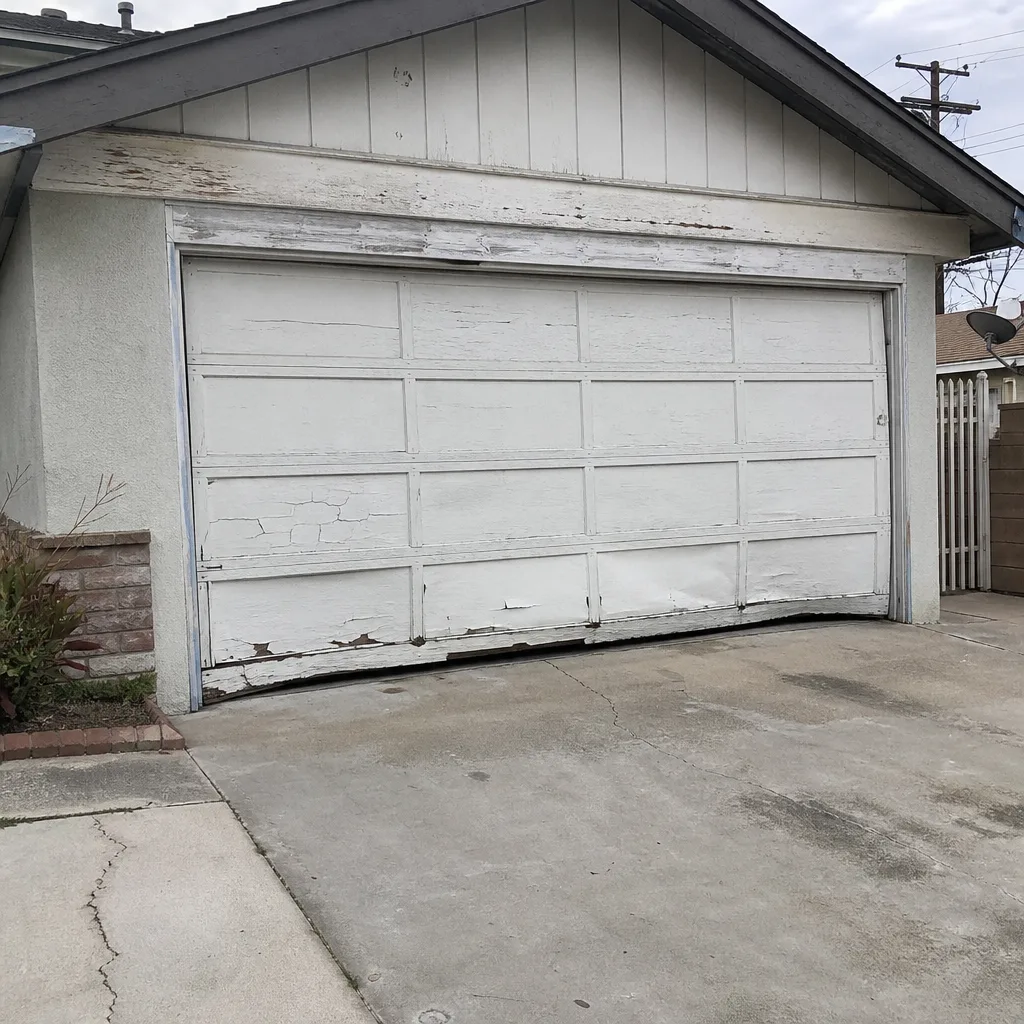 Before
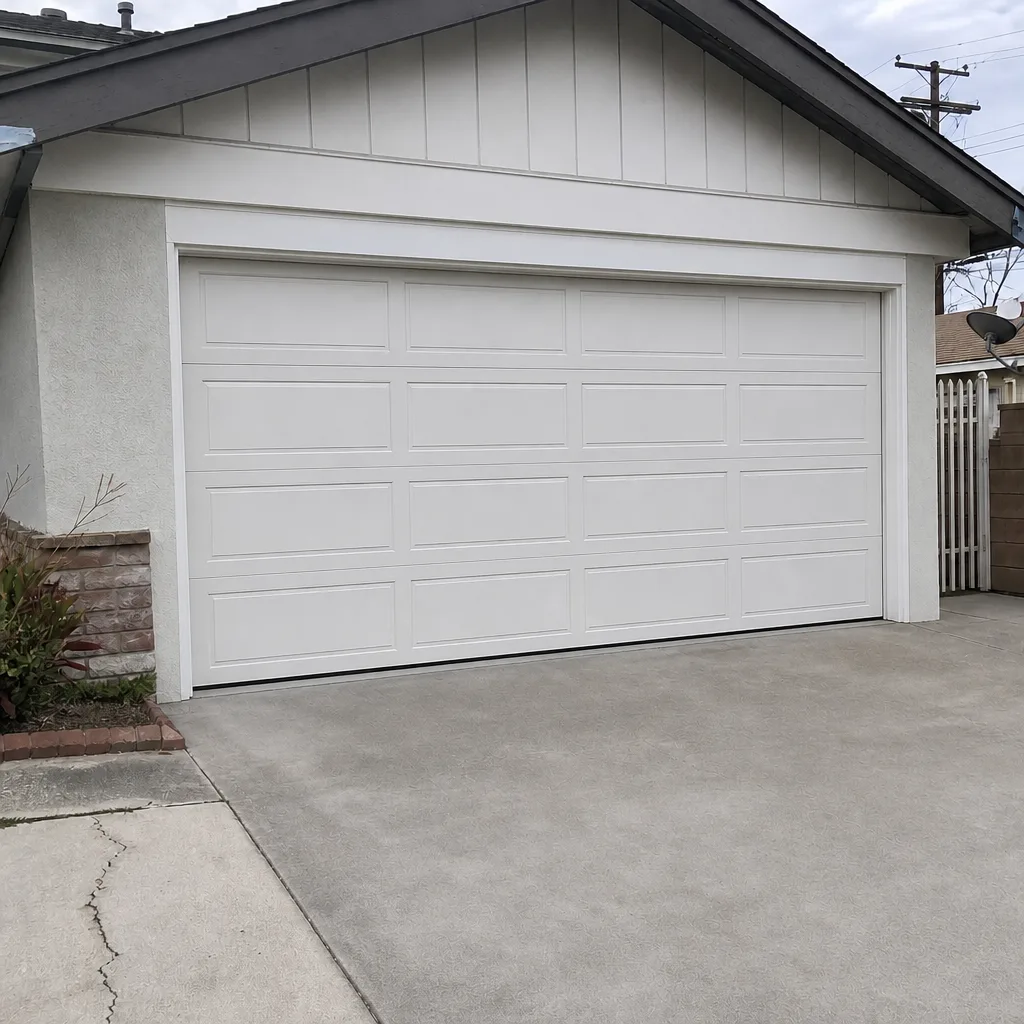 After
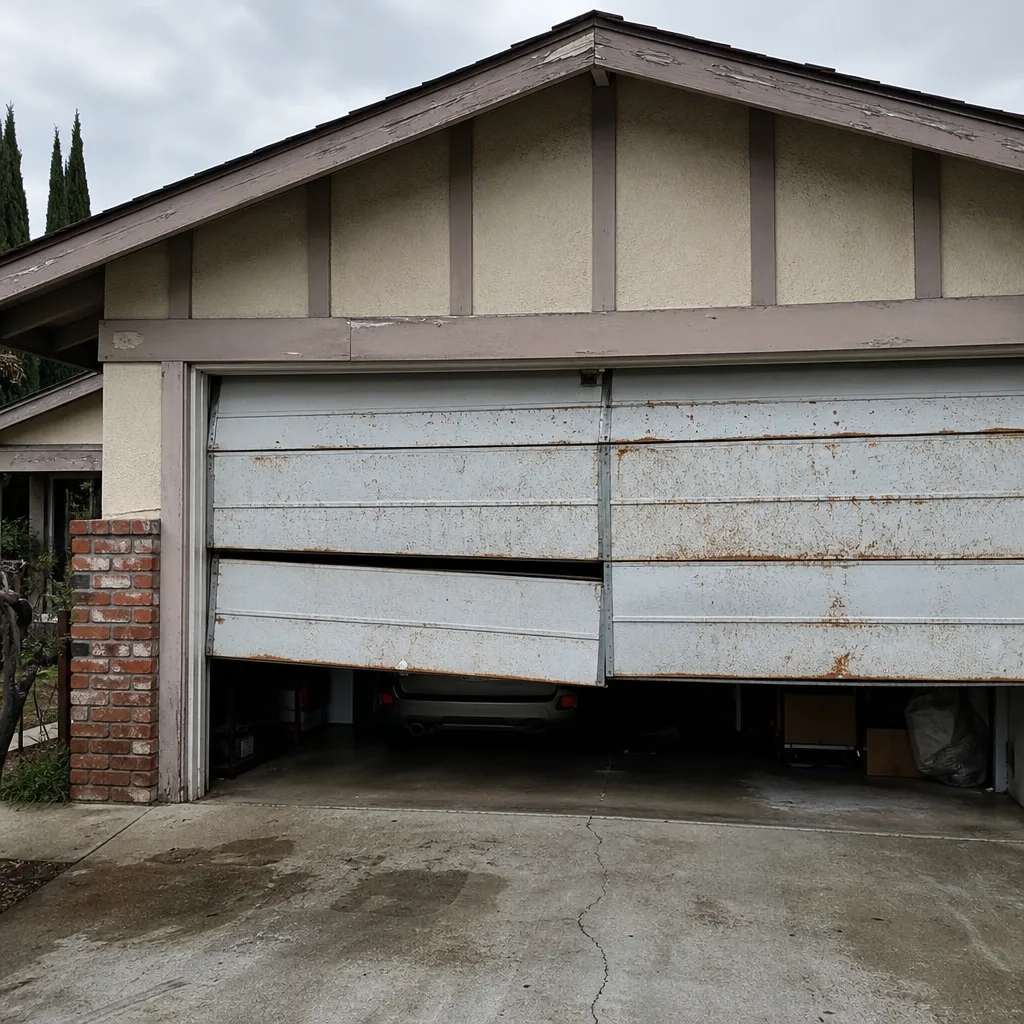 Before
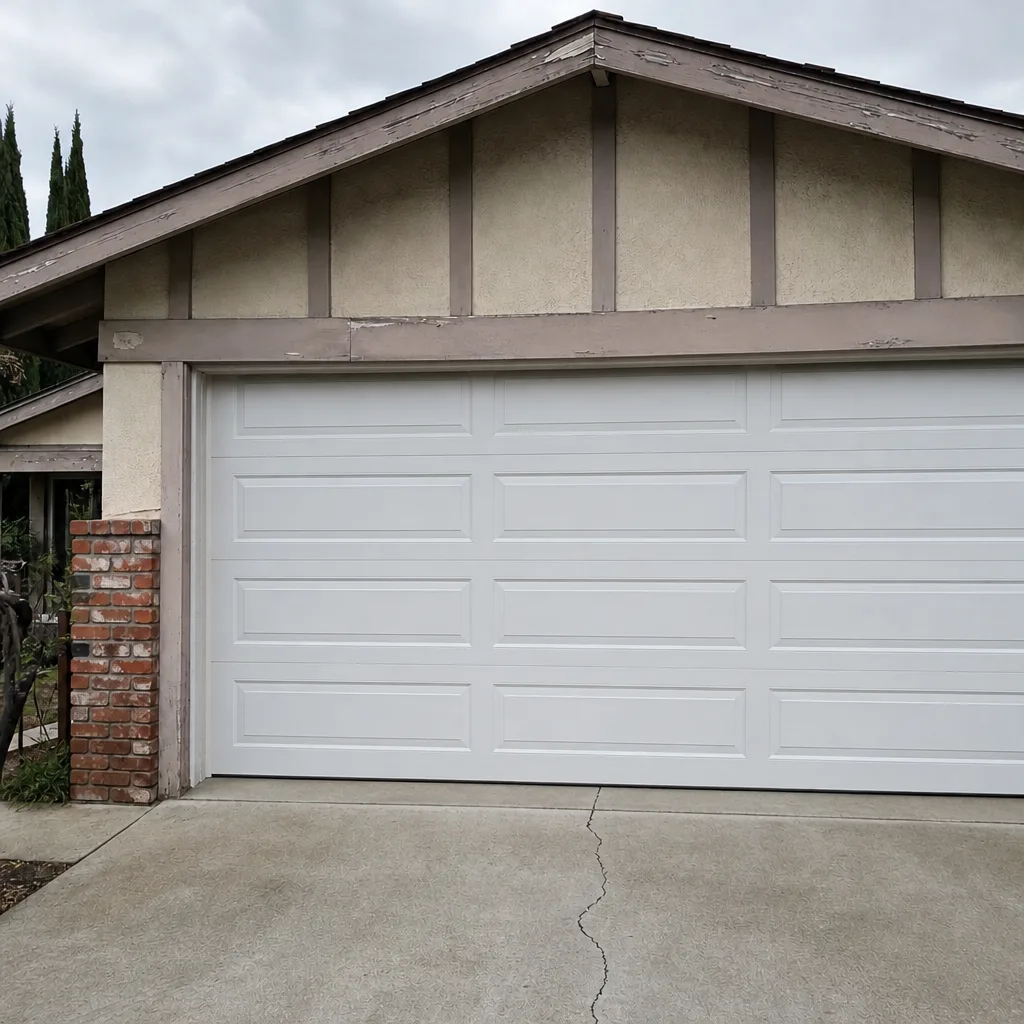 After
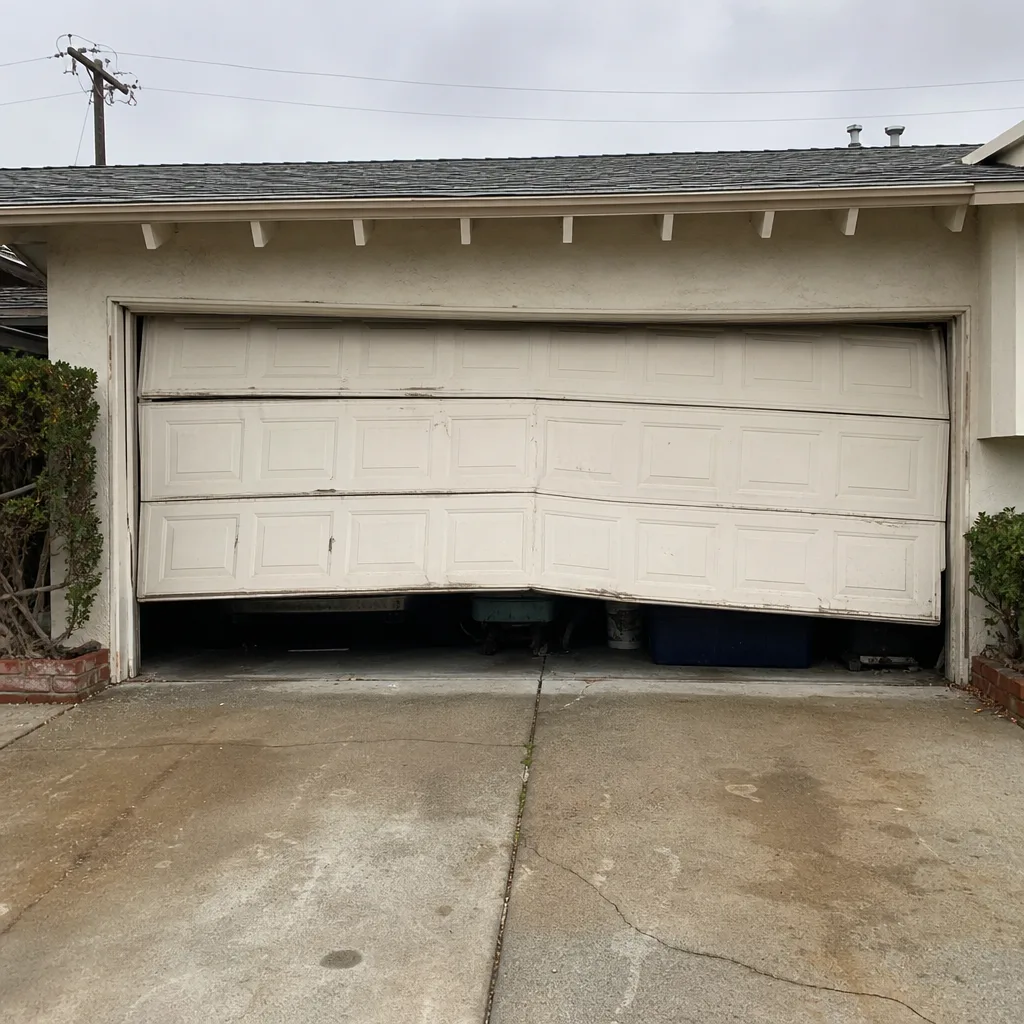 Before
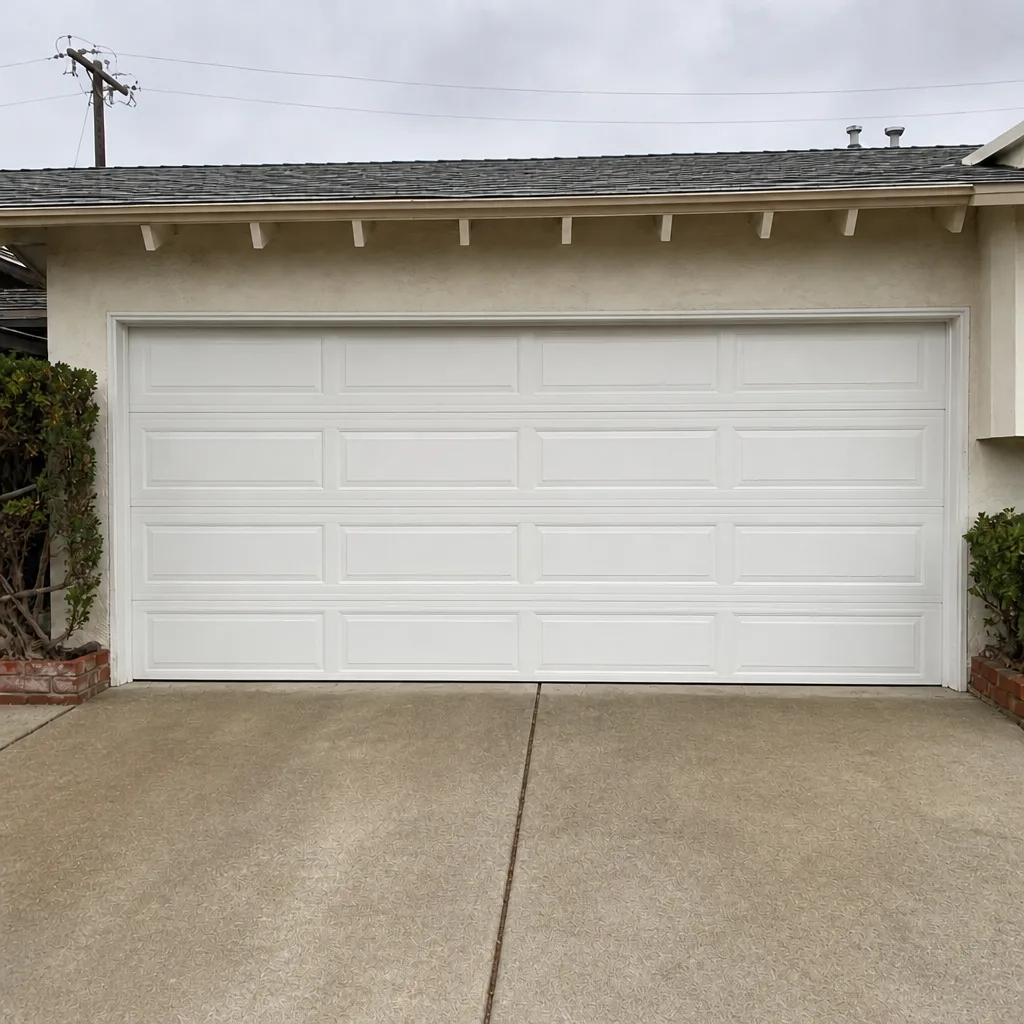 After
When to Call a Professional
Some things on this list will never be DIY, no matter how handy you are. If the door is visually out of alignment, if a cable is frayed, if a spring shows any sign of wear or a visible gap, or if the opener fails the reversal test, it’s time to call. A visual inspection is free. A misdiagnosis can cost you more than the service itself. We’ll send a technician who works on your existing brand, whether it’s a Genie opener, a Clopay door, or a Wayne Dalton system. The goal is to get your door working again, not to sell you a new one.
Garage Door Service La Habra has been serving this city since 2018, and garage doors are all we do. We’re not a general contractor that happens to offer door service on the side. We work on the equipment you already have, across eight major manufacturer brands, and we fix what’s broken before we talk about replacing anything. If you live in La Habra and you’re not sure whether a check on this list revealed a real problem, call (833) 589-9397 and describe what you’re seeing. We’ll tell you honestly whether it needs a visit.
Frequently Asked Questions
Every three months is the right interval for La Habra’s dry heat, which evaporates lubricant faster than coastal climates. Use a silicone-based spray or white lithium grease on hinges, rollers, and springs. Call (833) 589-9397 if you’re not sure what products are safe for your specific door.
The bottom seal hardening from heat is the most common issue we see, and it leads to cracked bottom panels when doors slam down against a stiff seal. Check your seal monthly, especially in August and September. Replacing a seal early is far cheaper than replacing a panel.
No. Garage door springs are under extreme tension and can cause severe injury or death if mishandled. Even experienced homeowners should not attempt spring work. Call a professional. We replace torsion and extension springs in La Habra as a same-day priority when parts are in stock.
Test the auto-reverse function with a paper towel roll. If the door fails to reverse, or if the opener sounds strained or jerky while moving the door, have it checked. Many opener issues are repairable, including sensor failures, limit switch problems, and gear wear. We repair openers from Genie, LiftMaster, Chamberlain, and Craftsman before recommending replacement.
Grinding usually means dry or worn rollers, or a misaligned track causing metal-on-metal contact. Lubricate first if the noise just started. If lubrication doesn’t help within a day, the roller bearings are likely worn out. Stop using the door and schedule an inspection. Continuing to run a door with worn rollers damages the track and the opener.
Yes. Sustained heat hardens rubber seals, evaporates lubrication, warps wood components, and accelerates UV fading on panels, especially on west and south-facing doors. The dry air also pulls moisture from wood doors, causing cracking. The maintenance schedule in this guide accounts for those local conditions.
The Bottom Line
Eight checks. Four of them take under a minute each. Three of them you can do without any tools. What this maintenance routine buys you is the early warning that prevents a $50 seal from becoming a $400 panel replacement, or a worn roller from becoming a bent track. In a climate like La Habra’s, where heat and dust work against every rubber and metal component on your door, consistency matters more than intensity. A monthly walk-around beats an annual deep clean. If you find something you’re not sure about, or if any check reveals a problem you’d rather not tackle, call (833) 589-9397. We answer 24/7. Fast dispatch from 7am to 7pm, Sunday through Friday. Estimates are free, and the price is set before any work starts.
Written by the team at Garage Door Service La Habra, serving La Habra since 2018.