
Last updated November 4, 2026
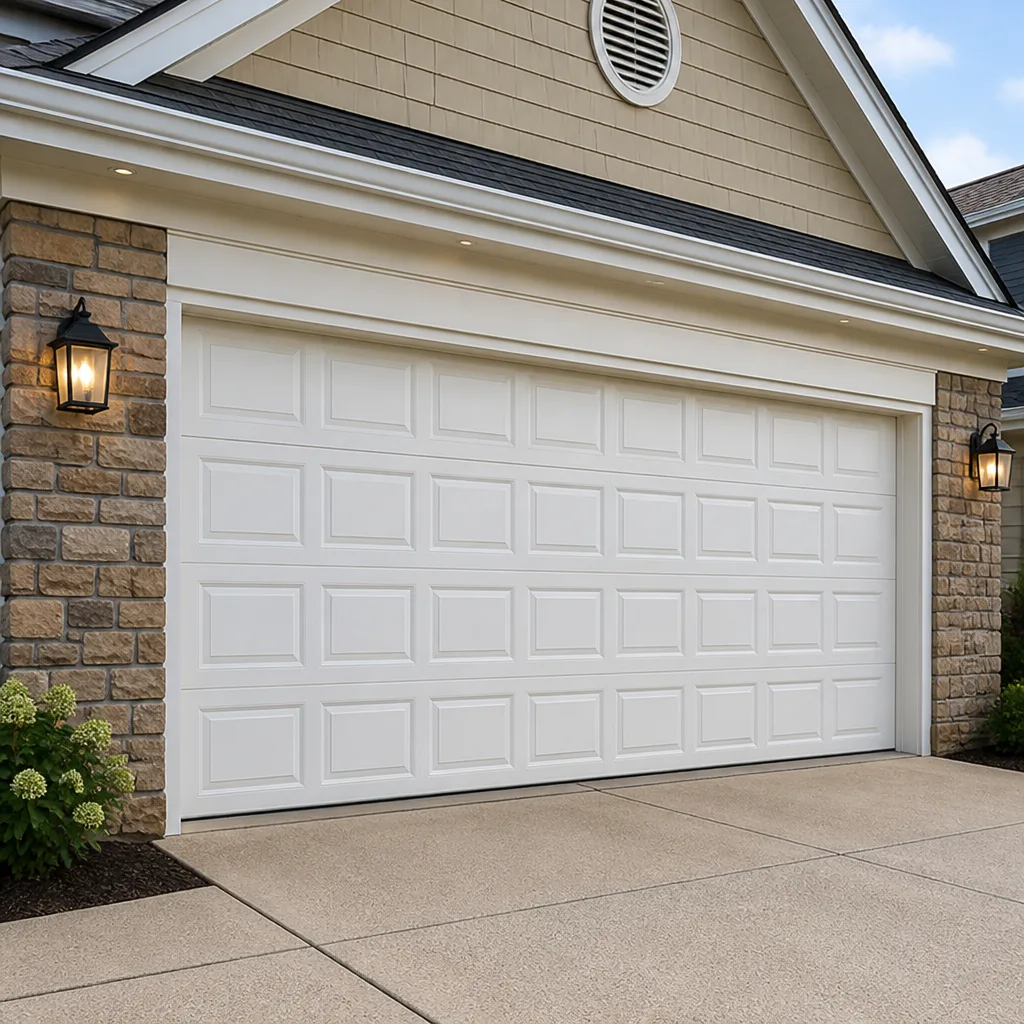 Raised-panel steel
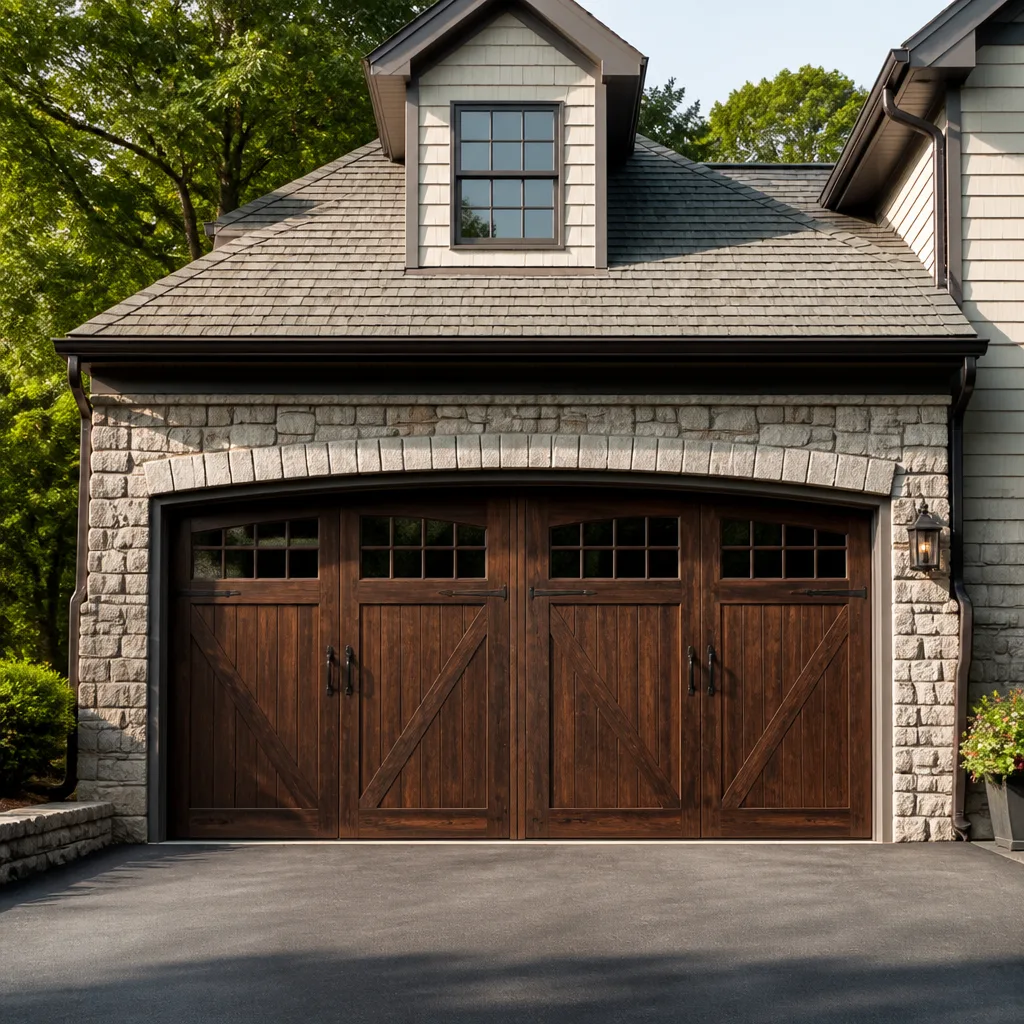 Carriage house
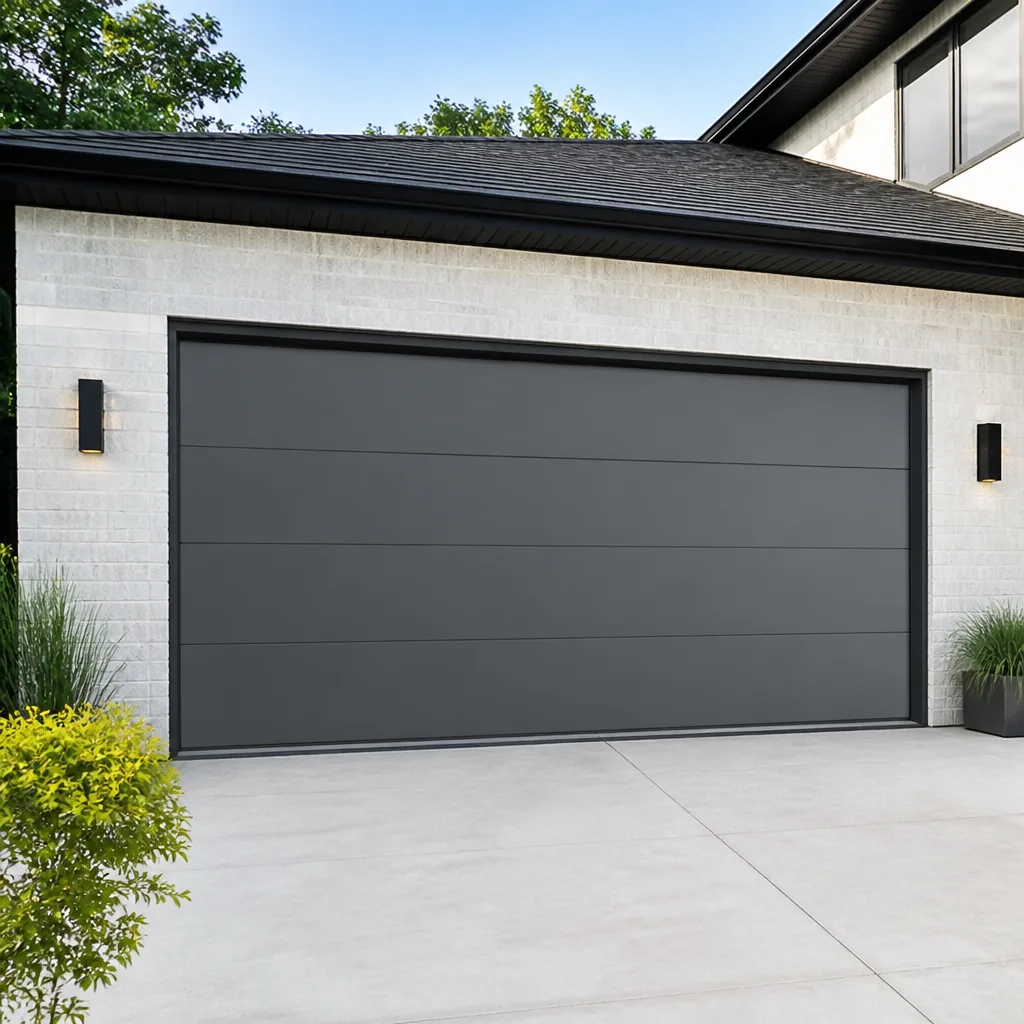 Modern flush
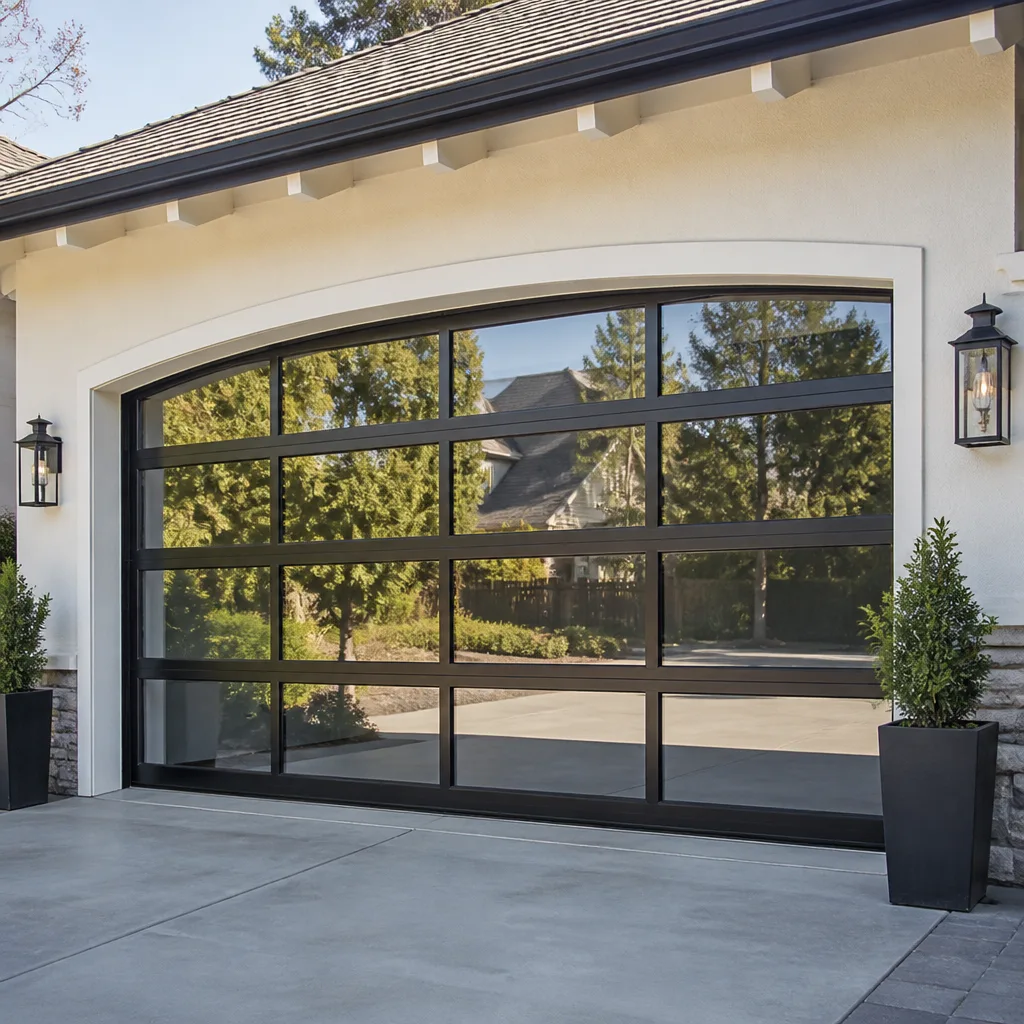 Full-view glass
 LiftMaster openers
 Chamberlain openers
Full 25-point door and opener safety check with every visit - springs, cables, rollers, tracks, and your LiftMaster or Chamberlain opener included
You get a price before we start. It does not change when the truck arrives.
Get your free estimateGarage Door Repair Maintenance Schedule: What to Do and When
Most homeowners in La Habra treat garage door maintenance like a chore they’ll get to eventually. The door still opens, so it must be fine. That logic falls apart the moment you do the math. A garage door used four times a day cycles roughly 1,460 times per year. Most torsion springs carry a 10,000-cycle life rating. That means a typical household here burns through about 15% of a spring’s total lifespan every year without ever thinking about it. By the time a spring snaps, that failure was predictable months in advance. This guide replaces vague “check it twice a year” advice with a practical schedule based on actual wear triggers, specific visual cues, and the environmental conditions that affect doors in our specific climate.
Quick Answer
A useful garage door maintenance schedule in La Habra is built around cycle counts and visual wear indicators, not calendar months. Do a five-minute walk-around monthly checking springs, cables, rollers, tracks, and the bottom seal. Lubricate moving metal parts twice a year with the right product. Listen during every cycle for new or worsening sounds, and call us at (833) 589-9397 the moment a spring, cable, or roller shows visible wear, because these are not items to nurse along.
Styles & brands we work with
- Raised-panel steel
- Carriage house
- Modern flush
- Full-view glass
- LiftMaster openers
- Chamberlain openers
Table of Contents
- Cycle Counts: The Real Maintenance Schedule
- How La Habra’s Climate Changes the Schedule
- The Five-Minute Monthly Walk-Around
- Lubrication: What to Use and What to Skip
- How to Document Your Door’s Condition
- Common Mistakes to Avoid
- When to Call a Professional
- Frequently Asked Questions
Cycle Counts: The Real Maintenance Schedule
Before we talk about maintenance intervals, we need to define what a cycle is. One full cycle is the door going all the way up and all the way down. If you leave for work, come home, and run a quick errand in the evening, that’s three cycles that day. Over a year, that adds up faster than most people expect.
Every component on your door has a lifespan measured in cycles, and those lifespans vary wildly.
Springs: 10,000 Cycles
Torsion springs, the big coils mounted above the door opening, are the muscle of the system. Standard springs are rated for about 10,000 cycles. At four cycles per day, that’s roughly seven years. At six cycles per day, closer to four and a half years. Heavier insulated doors and doors in hotter climates where metal expands and contracts daily can shave that further.
High-cycle springs rated for 25,000 cycles or more cost more up front but make sense if you expect to live in the house long term. When a spring breaks, it breaks without warning while the door is under tension, and it’s the single most dangerous failure on a garage door system. We carry replacement springs for every major brand, including Clopay, Amarr, and Wayne Dalton, so we can match the existing hardware rather than forcing a full door replacement.
Rollers: 7,000 to 15,000 Cycles
Steel rollers with unsealed bearings wear out between 7,000 and 10,000 cycles. Nylon rollers with sealed bearings last 12,000 to 15,000 cycles and run noticeably quieter. If your door has been in service for more than a decade and still has the original rollers, they’re likely riding on worn bearings right now, which puts uneven load on the springs and cables. A worn roller isn’t just noisy. It grinds against the track, creates drag, and makes every other part work harder.
Cables: 5,000 to 8,000 Cycles
The cables that run alongside the door on each side do the actual lifting work under tension from the springs. They’re made of wound steel, and they fatigue over time the same way a paperclip breaks when you bend it back and forth enough times. Look for fraying, rust discoloration, or any spot where individual wires have broken free of the bundle. A snapped cable while a door is up can send the door crashing down. This is not a wait-and-see item.
Hinges: 10,000+ Cycles with Lubrication
Hinges are the most underrated wear point. They carry the full weight of each door panel every time the door moves, and they absorb the flexing force at each joint. Unlubricated hinges wear out years before lubricated ones. The good news is that hinges are cheap to replace and easy to spot when they’re failing. Listen for popping or clicking sounds as the door passes through each joint, and look for elongated holes where the hinge attaches to the panel.
Here’s the practical takeaway: if your door was installed more than seven years ago and has never had a spring, cable, or roller replaced, you’re driving on borrowed time. A professional once-over now catches a failing roller or a fatiguing cable before the door fails on a morning you can’t afford to miss.
How La Habra’s Climate Changes the Schedule
Most generic maintenance schedules treat every city as if it had the same weather. That’s a mistake. La Habra sits in a specific climate pattern that requires different attention than inland desert homes or coastal properties, and here’s how it affects your door.
Humidity here is persistent but moderate, not heavy salt air, and it sits in the metal tolerances of tracks, hinges, and springs year-round. This promotes surface rust on exposed steel parts faster than drier climates. Surface rust on a spring isn’t structural failure, but it does shorten spring life by creating stress concentration points. A light coat of the right lubricant on springs and the inside of the track cuts that rust cycle down significantly.
Summer heat is the bigger issue. Metal expands when hot. Tracks, bolts, and guide rails all shift fractions of an inch in July and August that don’t exist in January. If your track was installed with barely enough lateral play, that expansion creates binding, and binding causes the opener to work harder, the rollers to wear unevenly, and the door to rumble louder. We check track spacing as a standard part of any service call because a track that binds in August is one that will eat a roller bearing by December.
Debris is a factor homeowners rarely connect to door maintenance. Wind events blow leaves, twigs, and fine dust into the garage threshold, especially if the driveway slopes toward the house. That debris clogs the bottom seal’s contact patch, creates gaps, and lets more dust and pests into the garage. In a place where Santa Ana winds show up every year, bottom seals collect grit faster than most guides account for. Check yours monthly, and don’t wait for visible daylight under the door to act on a deteriorated seal.
None of these are dramatic, single-event problems. They’re slow-moving conditions that tip the math on every other component. A track that binds from heat wears rollers faster. A clogged bottom seal lets dust into the roller track. A rusting spring fails sooner. Scheduling maintenance around these local conditions, rather than an arbitrary “spring and fall” reminder, is what actually protects the door.
The Five-Minute Monthly Walk-Around
You don’t need tools for the most valuable maintenance you can do, and you don’t need to block off an afternoon. Five minutes once a month when you’re already in the garage is enough to catch most failures early. Here’s the exact walk-around we recommend, in order.
- Close the door fully and stand inside. Look at the two torsion springs above the door. They should be evenly coiled, with no visible gaps, no rust streaks, and no signs of the coils separating. If one spring looks looser than the other, it’s nearing failure. If you see a crack, do not touch it and do not operate the door. Call us at (833) 589-9397.
- Trace each cable from the bottom bracket to the drum. Wear a headlamp or use your phone’s flashlight. You’re looking for a single broken wire, any rust discoloration, or any spot where the cable looks pinched or flattened. Any of those means replacement before the next full cycle.
- Run your hand along the bottom seal, inside and out. Do not pull on it. Look for cracks, gaps where it meets the concrete, and any visible daylight from outside. If the seal is rigid instead of flexible, it’s time for a new one.
- With the door closed, put light pressure on the bottom of each panel. It should feel solid. Play in the hinges, cracked panel edges, or visible rust around screw holes all signal that water or fatigue is doing damage.
- Open the door halfway and stand back. Does it stop smoothly, or does it jerk? Do the rollers stay seated in the tracks, or do any wobble? A door that shudders mid-travel is telling you something is wearing unevenly.
- Close the door and listen from inside. Then open it and listen again. Grinding, clicking, popping, or any sound that wasn’t there three months ago is a diagnostic clue. Noises that change with temperature are almost always heat-related track or roller wear.
- Watch the safety sensor near the floor. Both sensors should have steady lights when the beam is aligned. A flickering or dead sensor will stop the door mid-close or refuse to close at all.
This walk-around catches roughly 80% of the problems we find on garage door repair calls in La Habra, and it costs you nothing but five minutes.
Lubrication: What to Use and What to Skip
Lubrication is the maintenance task owners get wrong more than any other. Half the time it’s done incorrectly, and that creates new problems instead of solving old ones. Here’s the practical version.
Use a lithium-based or silicone-based spray made specifically for garage doors. These are thin enough to penetrate into hinge pins and roller bearings but thick enough to stay put. Apply to the torsion spring coils above the door, the hinge pins, the roller stems (not the roller wheels themselves if they’re nylon, which shouldn’t be greased), and the inside lip of the track where the rollers ride. A light coat is enough. You’re not painting a fence.
Do not use WD-40 as your primary lubricant. It’s a water displacer with some short-term lubricating effect, and it evaporates too quickly for door hardware. More importantly, it leaves behind a residue that attracts dust, and in a place with as much airborne grit as La Habra sees during wind season, that dust becomes a grinding paste inside your hinges. Grease in a tub is also a poor choice for the same reason: it’s too thick, it holds grit, and it cakes.
Skip lubricating the tracks themselves. The rollers don’t need a lubricated track surface to ride on. Greasing the track attracts dust, and then you’ve built an abrasive slurry in exactly the spot where smooth travel matters most. Wipe tracks clean with a dry cloth instead.
Frequency matters less than consistency. Twice a year is enough for most homes. If your door sees six or more cycles daily, or if you live near a dirt lot or construction where dust densities are higher, lubricate quarterly. The goal is a thin, clean film, not a visible coating.
How to Document Your Door’s Condition
Most homeowners have never thought past the immediate question of “is it working?” But a simple record of your door’s condition over time is one of the most useful things you can create. It helps us diagnose faster, it helps you know when the schedule is tilting toward replacement, and it protects you when another company tries to sell you parts you don’t need.
Start with six photos, all from the same standing position, taken the same day every month or every other month. You want the left cable, right cable, left roller inside the track, right roller, bottom seal from inside, and a head-on shot of both springs. On your phone, file them in an album named by year. That’s the whole system.
What you’re looking for over time is change. Surface rust can be tracked. Cracks start small and spread. Gaps at the bottom seal widen in winter when concrete shifts and close again in summer, and your photos will show that pattern without you having to remember it. If a technician tells you a cable is dangerously worn and you can pull up a photo from three months ago showing the same condition, you’ve got a better baseline for the conversation. It also means we spend less time on diagnosis when you call us, because you can tell us exactly when a sound started or when a rust spot first appeared.
Pair the photos with a one-line note only when something changes. “New clicking sound from left hinge” is enough. Six months of silence followed by a new sound is a maintenance trigger. A door doesn’t develop a new noise in a healthy system for no reason.
For owners with garage door opener repair history, log opener issues separately. Note the date, what the opener did (jerked, reversed, wouldn’t respond), and what fixed it. Openers have their own failure modes, and a clean history makes a board-level issue versus a sensor-misalignment issue much easier to separate.
Common Mistakes to Avoid
- Lubricating with the wrong product. Grease and generic aerosol sprays attract dust in our dry, wind-prone environment, and that dust accelerates wear instead of preventing it. Use a garage-door-specific spray only.
- Ignoring a noisy door because it still works. Noise is the earliest warning sign of roller, hinge, or track wear. By the time the noise becomes a failure, the repair is more expensive and often involves multiple components rather than one.
- Greasing the tracks. We’ve said it once, we’ll say it again because it’s that common: tracks stay dry. Clean them, but don’t grease them.
- Waiting for a full cable failure to act. A single broken wire on a cable is a five-minute replacement if caught early. A full cable snap can drop the door, damage panels, and in the worst case cause injury.
- Thinking “maintenance-free” means what it sounds like. Some rollers are advertised as sealed and permanent. The bearings inside still load and unload with every cycle, and they still wear. Sealed means no re-greasing, not no failure.
- Relying on memory alone. Without photos and notes, you’ll never know whether a rust spot is new or two years old. That uncertainty leads to either panic or dangerous complacency.
- Doing DIY spring work. Torsion springs are under enough tension to cause serious injury or death. This is the one component where professional replacement is not optional. We carry matched pairs for virtually every door brand, including Genie, Clopay, and Wayne Dalton, so call us instead of climbing a ladder with a wrench.
When to Call a Professional
Some maintenance tasks are yours, and some belong on a truck with the right tools, the right springs, and someone who does this every day. Call us if you see a cracked spring, a frayed cable, a roller that’s binding or wobbling, or a panel pulling away from a hinge. These are structural failures, and they do not improve with time or lubrication. A door making loud popping sounds as it moves through each panel joint needs attention now, not next month.
Opener problems have their own threshold. If the door reverses when it should close, strains to lift, or refuses to respond despite fresh batteries, the motor or the safety circuit needs a proper diagnosis. We work on Genie, Chamberlain, LiftMaster, and every major opener brand, and we repair rather than replace whenever the equipment still has life in it.
La Habra homeowners can reach us at (833) 589-9397 for a free estimate. We answer 24/7, and we dispatch fast from 7am to 7pm, Sunday through Friday. The price is always quoted and agreed before any work starts, so you’ll know exactly what the repair costs before we touch a single bolt.
Frequently Asked Questions
Every six months is enough for most doors here, but if you use the door more than four times a day or live near a dirt lot, construction, or a street that sees consistent traffic dust, do it every three months. The key is a light, even coat on springs, hinge pins, and roller stems with a garage-door-specific spray, not a heavy grease that collects grit. Call (833) 589-9397 if you want us to handle it during a tune-up.
A spring nearing failure shows a visible crack, a gap between coils, rust streaks, or a door that becomes suddenly harder to lift manually. On a newer door that used to feel balanced, a heavy door often means a spring has already lost tension. If you see any of these, stop using the door and call (833) 589-9397. A snapped torsion spring is dangerous and should never be handled by a homeowner.
No. The cables are under the full tension of the springs, and a cable that lets go during removal or installation can whip, drop the door, or cause serious injury. This is a professional repair, and we carry cable sets matched to every major door brand. Call (833) 589-9397 for a free estimate.
Metal tracks and guide hardware expand in summer heat, which can reduce clearance and cause binding, especially on doors where the track spacing was set tight at installation. The fix is usually a track alignment adjustment rather than new parts. If your door only complains when the temperature climbs, that’s the most likely culprit.
A standard 10,000-cycle spring lasts roughly five to seven years at four cycles per day. At six cycles daily, that drops to about four and a half years. High-cycle springs rated for 25,000 cycles are worth the extra cost if you’re going to be in the house long term. We can tell you which spring your door currently has by the paint code on the coils.
We work on virtually every residential garage door and opener brand a homeowner already owns, including Genie, Clopay, Amarr, Chamberlain, LiftMaster, and Wayne Dalton. Our focus is Garage Door Service La Habra repair and service, not selling you a replacement door unless the existing one is genuinely at end of life. Call (833) 589-9397 with your brand and the issue, and we’ll tell you honestly what the fix involves.
The Bottom Line
A garage door maintenance schedule that relies on seasons is a schedule that misses failures. The right schedule counts cycles, listens for new noises, and reacts to specific visual cues. In La Habra, that means monthly five-minute inspections, twice-yearly lubrication with the right product, a documented photo record, and a hard line on professional help for springs, cables, and any repair involving high tension. Most major failures are visible weeks or months before they happen, and the homeowner who looks catches them in time. The one who doesn’t ends up with a door on the floor and a much bigger invoice. We’d rather help you prevent that than fix it after the fact.
Written by the team at Garage Door Service La Habra, serving La Habra since 2018.
See the difference
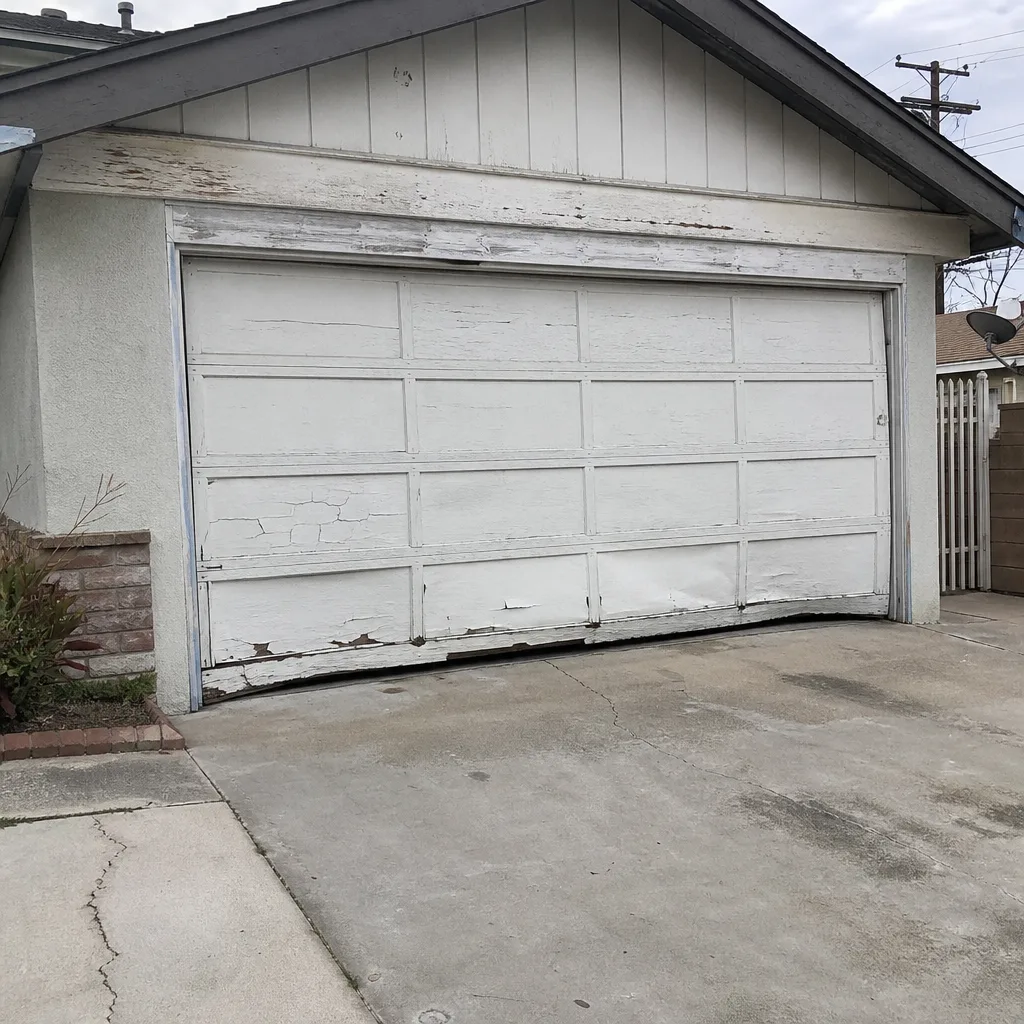 Before
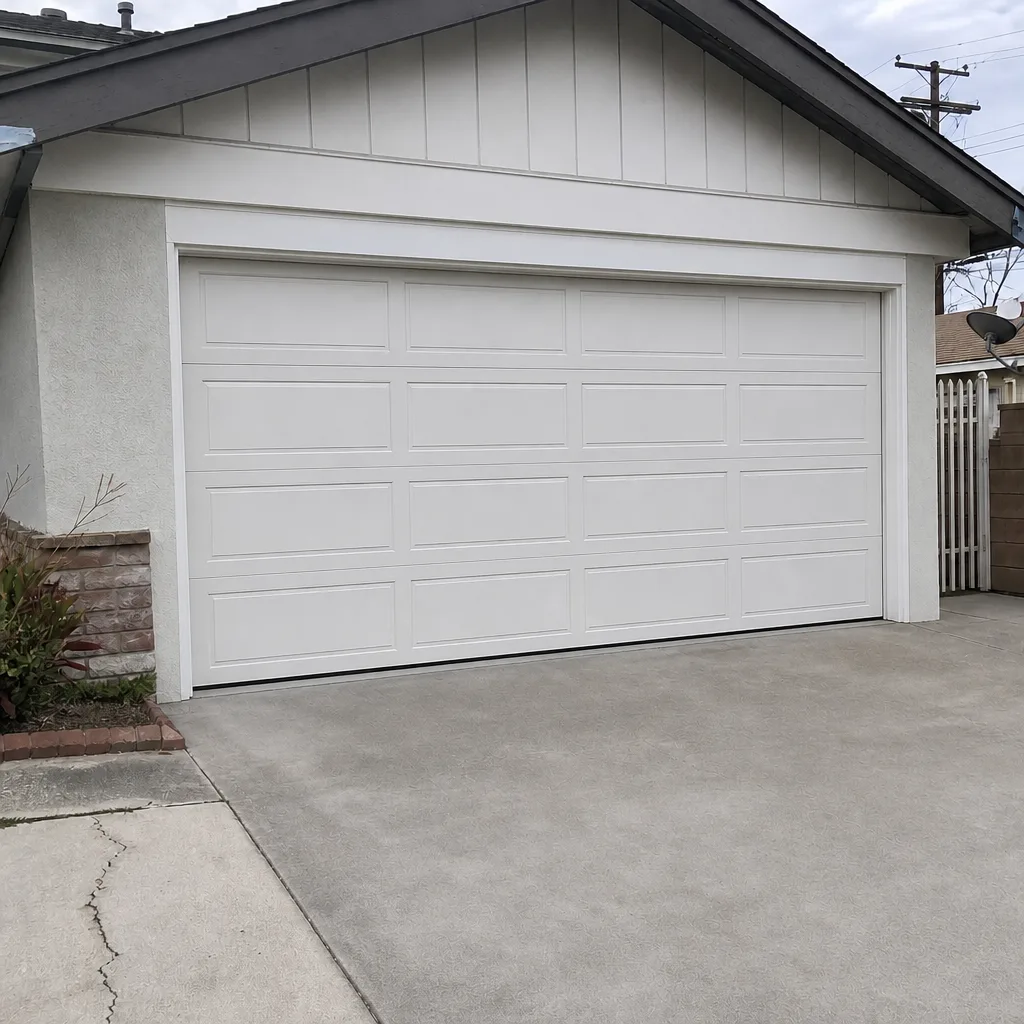 After
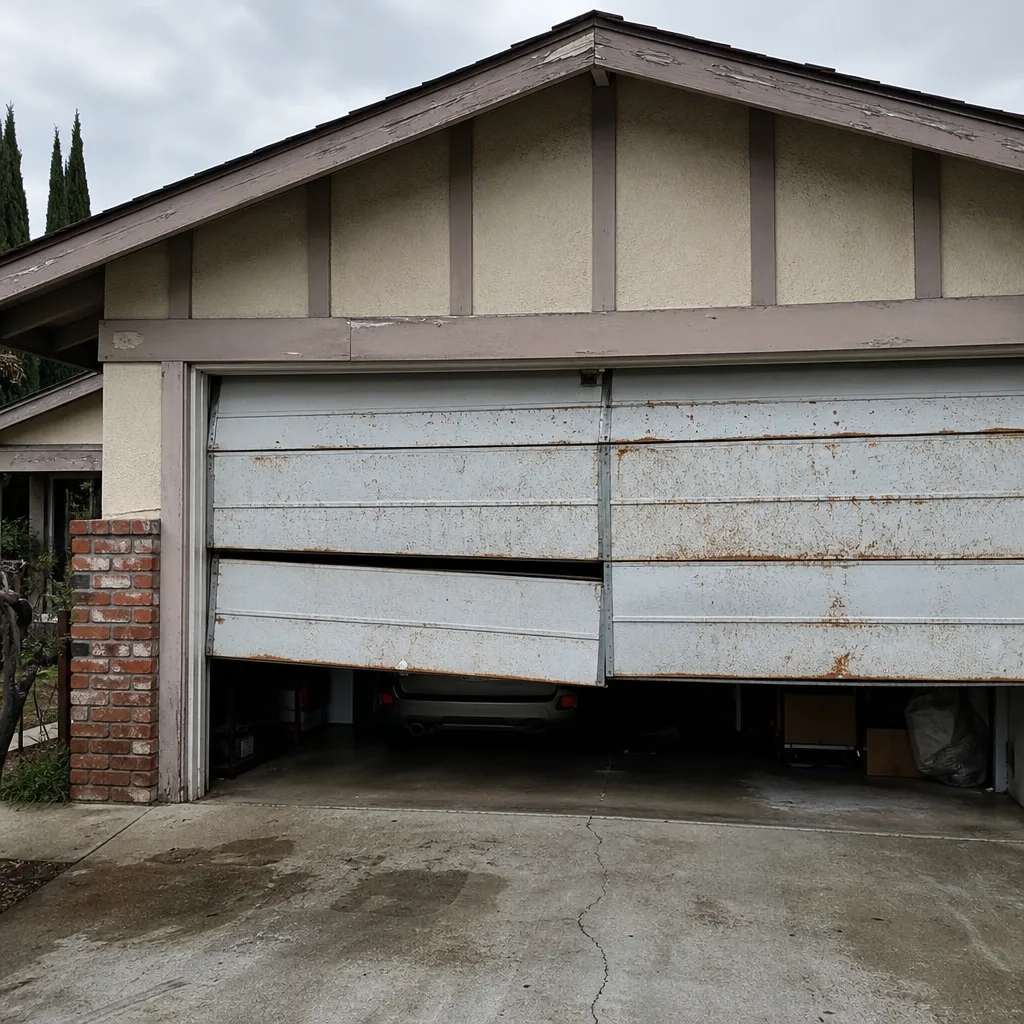 Before
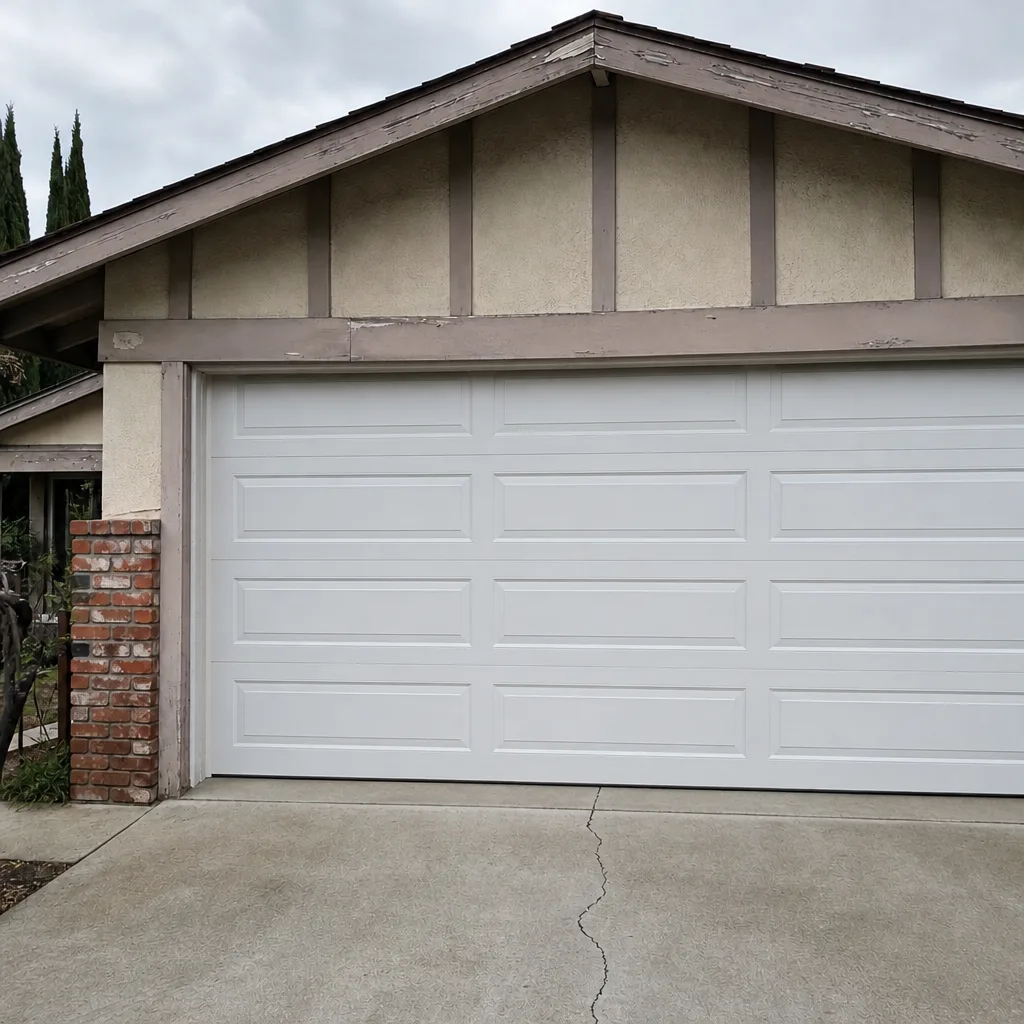 After
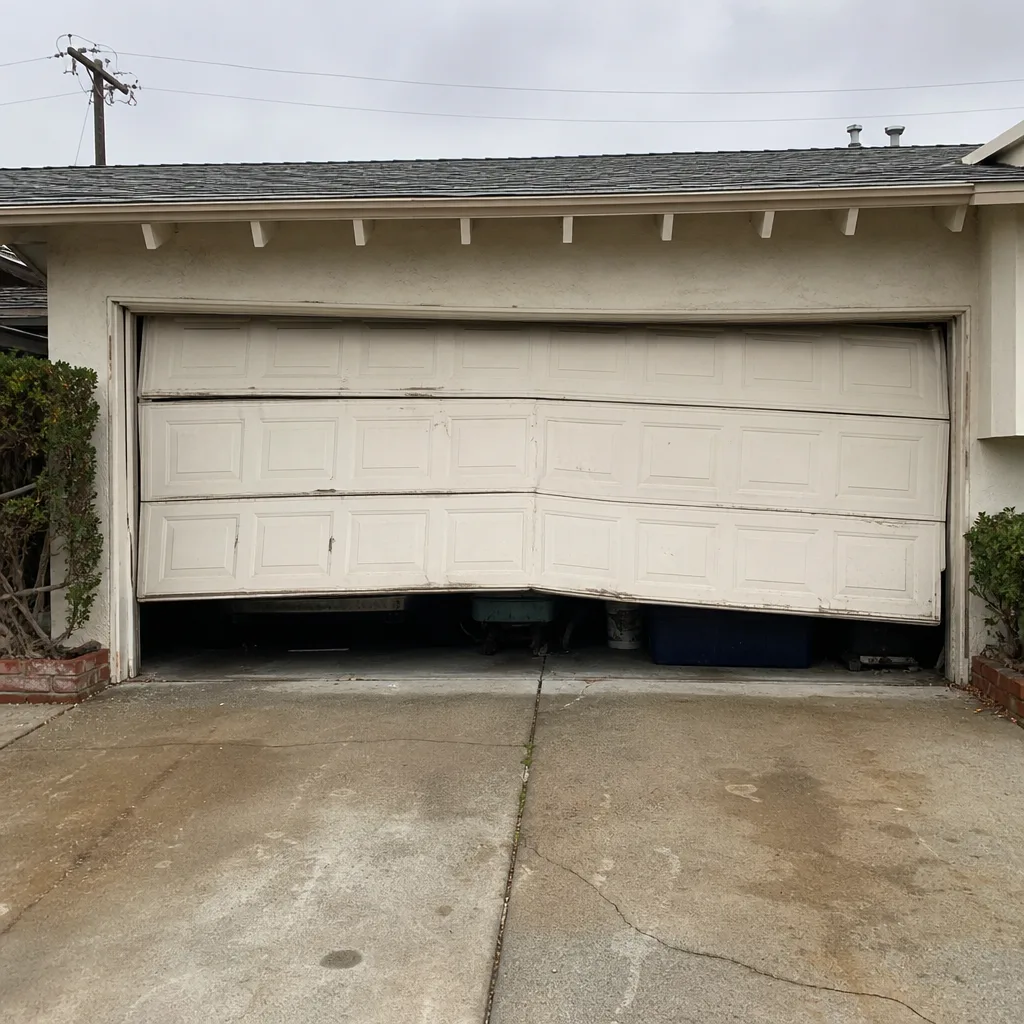 Before
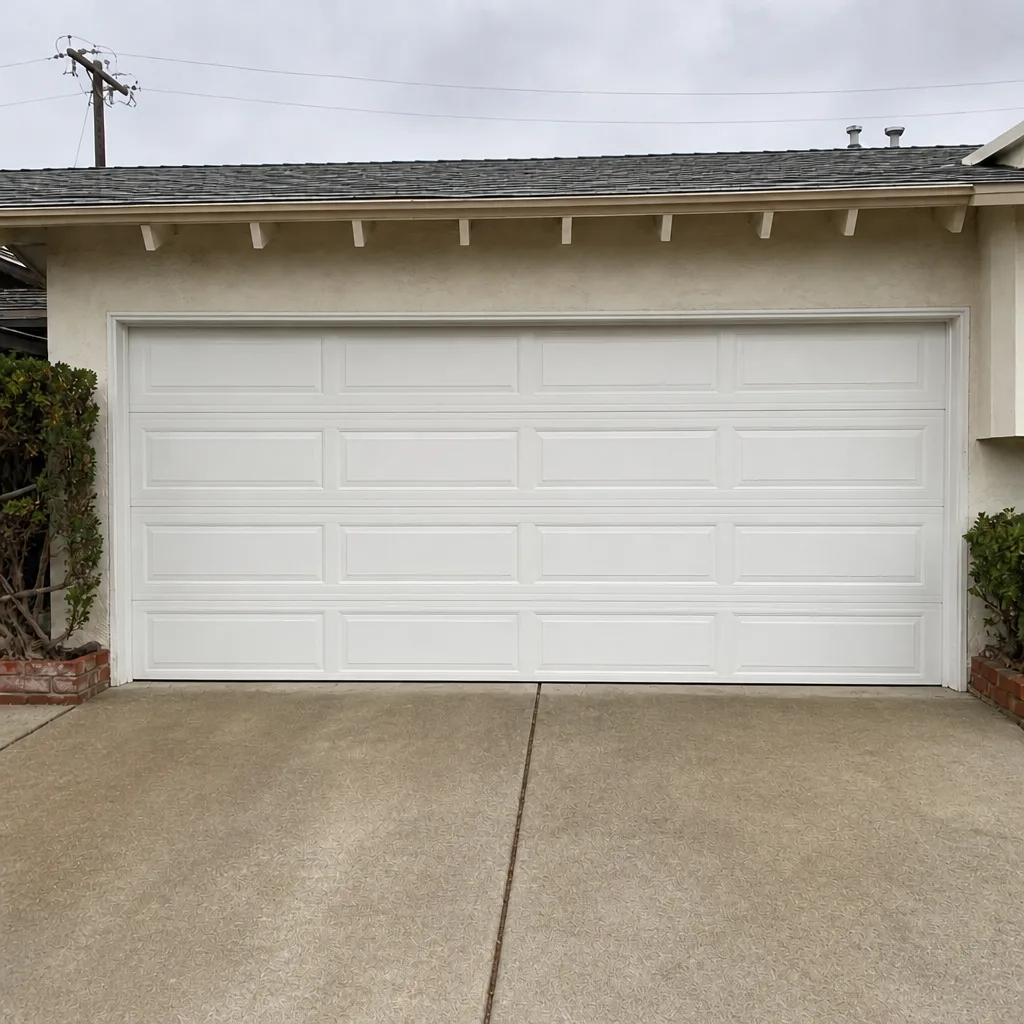 After