
Last updated November 4, 2026
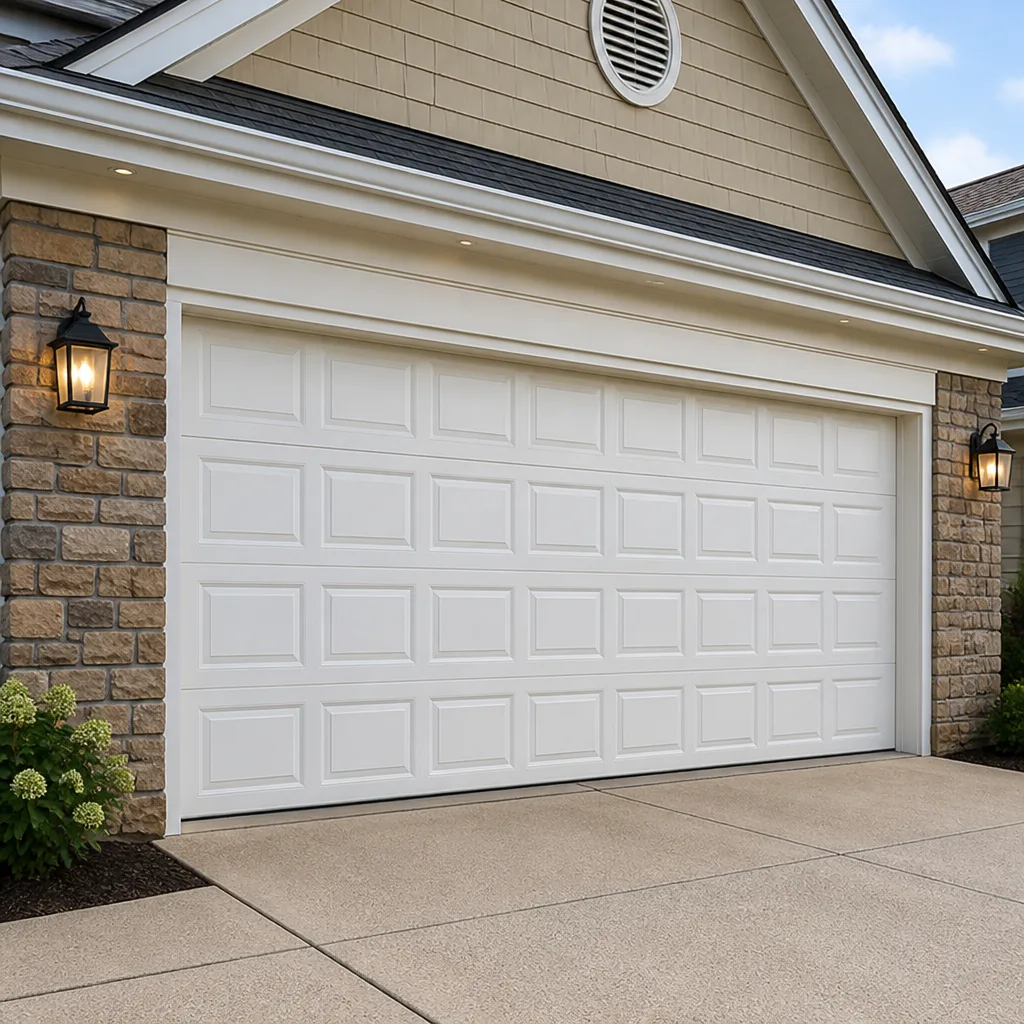 Raised-panel steel
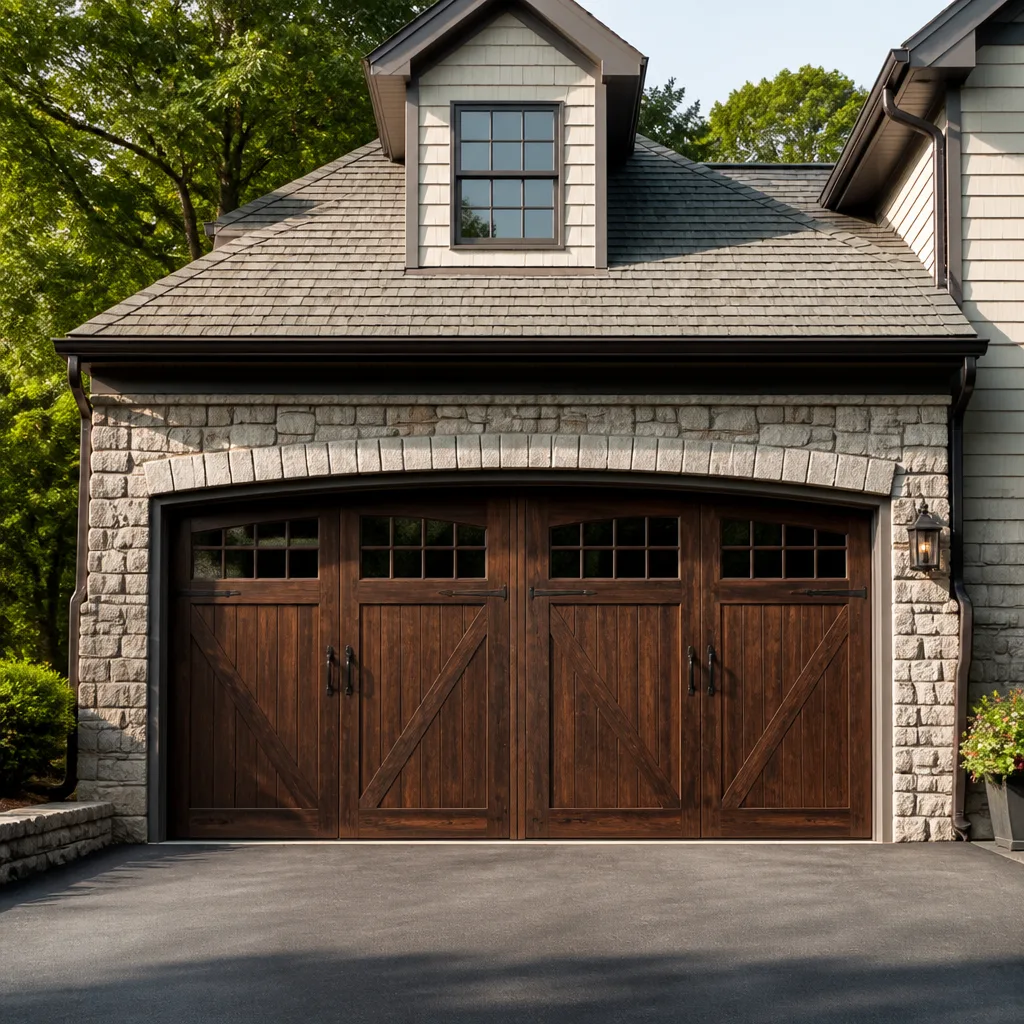 Carriage house
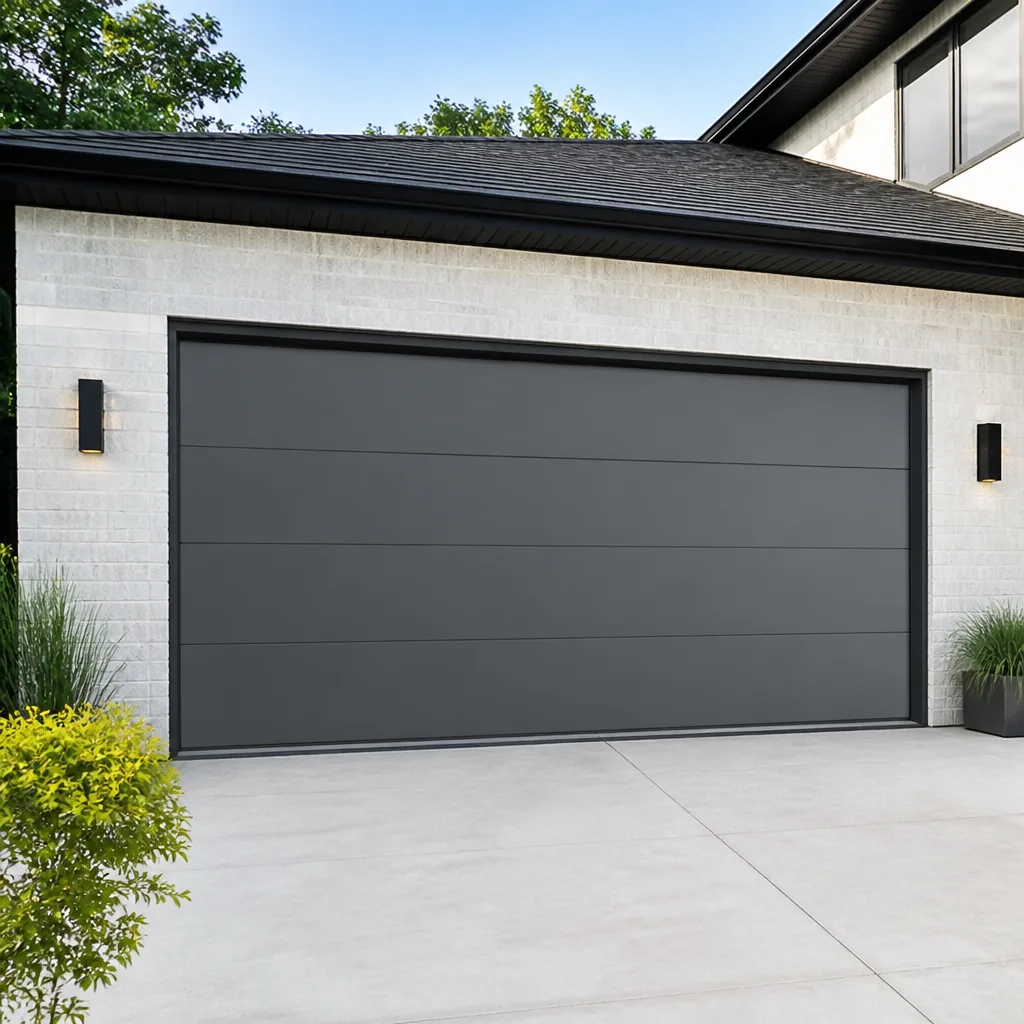 Modern flush
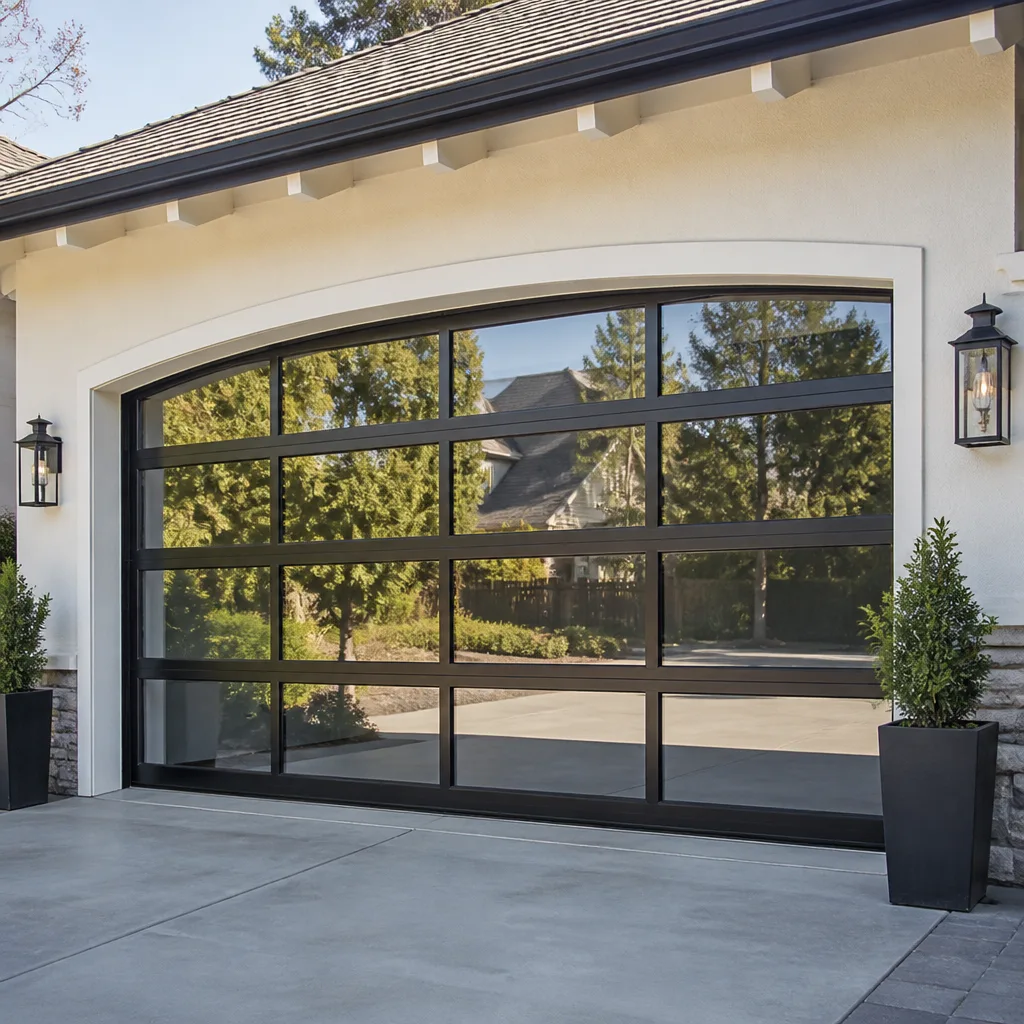 Full-view glass
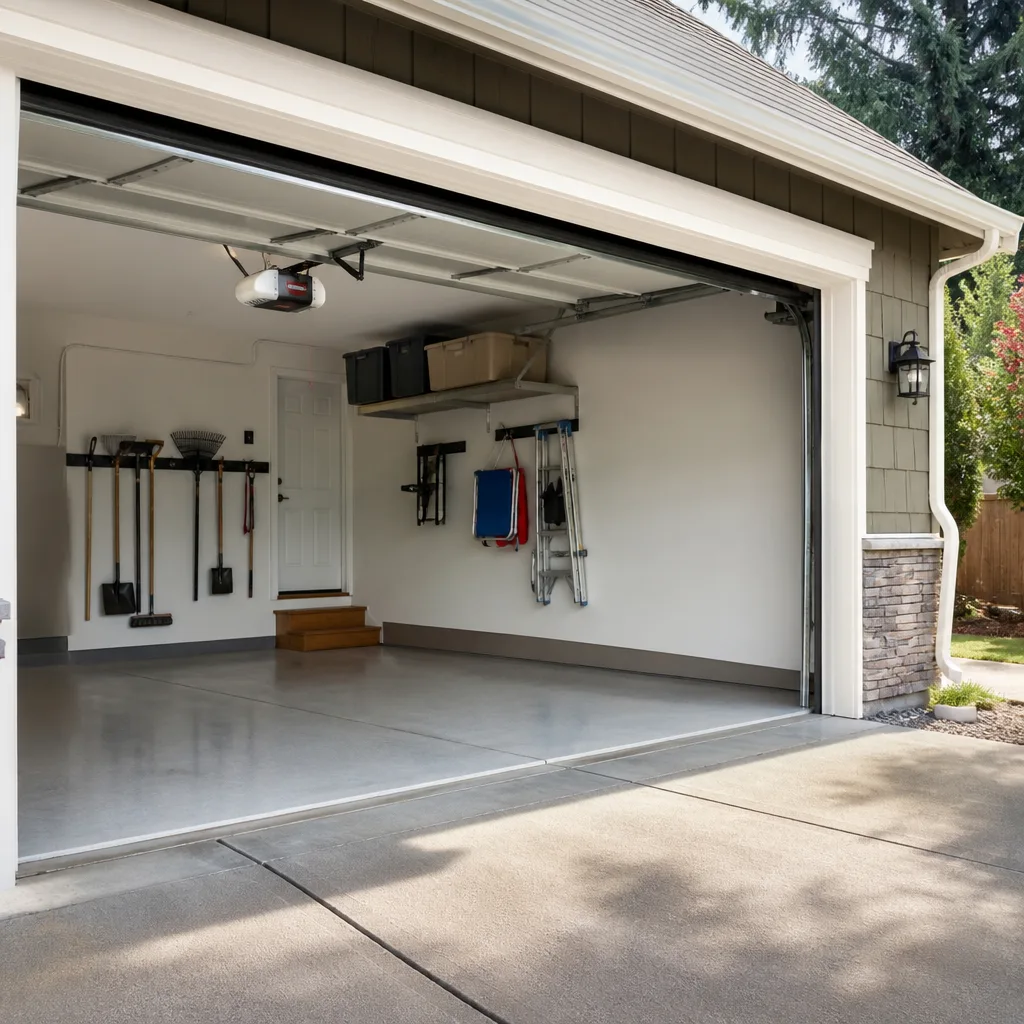 LiftMaster openers
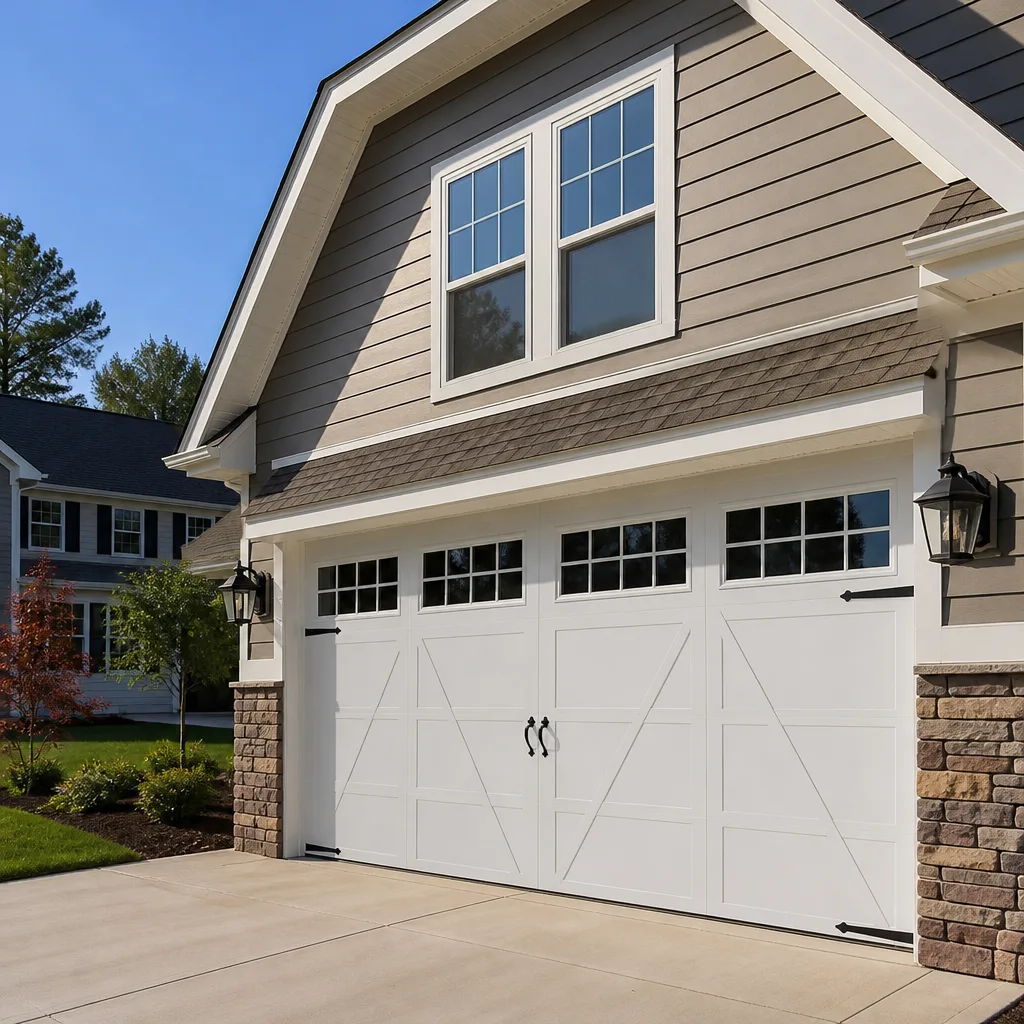 Chamberlain openers
Full 25-point door and opener safety check with every visit - springs, cables, rollers, tracks, and your LiftMaster or Chamberlain opener included
You get a price before we start. It does not change when the truck arrives.
Get your free estimateGarage Door Permits, Codes & Inspections in La Habra, CA: What You Need to Know
Most homeowners assume a garage door replacement in La Habra is a simple swap that needs no permit. That assumption is correct for many jobs, but wrong for enough of them to cause real trouble. When a door is replaced without a required permit, the issue often doesn’t surface until years later, during a home sale inspection or when a buyer’s title company flags an unpermitted modification on the disclosure. This guide covers exactly when La Habra and Los Angeles County code requires a permit, what California Title 24 energy rules mean for your door, how UL 325 safety standards affect openers, and what documentation you should keep after any garage door work. By the end, you’ll know which questions to ask before anyone touches your door.
Styles & brands we work with
- Raised-panel steel
- Carriage house
- Modern flush
- Full-view glass
- LiftMaster openers
- Chamberlain openers
Quick Answer
In La Habra, most garage door repairs do not require a permit, but a replacement often does, especially when the door is attached to a conditioned space or when structural changes are involved. Permit requirements come from Los Angeles County building code, which La Habra follows, and may include California Title 24 energy compliance for attached garage doors. Always ask your city’s building department about your specific situation. Keep every permit and inspection record after the job is done; it protects you at resale.
Table of Contents
- When Does La Habra Require a Garage Door Permit?
- Repair vs. Replacement: Where the Line Sits
- California Title 24 and Attached Garage Doors
- UL 325, DASMA, and Opener Safety Standards
- What a Failed Inspection Looks Like and Who Is Liable
- Documentation to Keep After Any Garage Door Job
- Common Mistakes to Avoid
- When to Call a Professional
- Frequently Asked Questions
- The Bottom Line
When Does La Habra Require a Garage Door Permit?
La Habra operates under the Los Angeles County building code, which means permit requirements follow county standards rather than a separate city ordinance. The general rule is that replacing an existing garage door with a new door of the same size and type may not require a permit, but there are three specific scenarios where it almost always does.
- Structural changes. If the opening is being enlarged, the header is being modified, or any framing is being cut or added, you need a permit. This is a structural modification, and the county treats it accordingly.
- Attached garage on a conditioned space. When a garage shares a wall or ceiling with a living area, the door becomes part of the building envelope. California Title 24 energy standards may require the replacement door to meet specific thermal performance criteria, and a permit is the mechanism that enforces it.
- Converting a garage to living space. If the door is being removed or replaced as part of a conversion, the entire project requires permits, and the garage door portion is just one piece of it.
In our experience, most La Habra homeowners fall into the second category without realizing it. Attached garages are common throughout the city, from the older neighborhoods near La Habra Boulevard to the hillside streets toward Westridge. If your garage is attached, ask the building department before replacing the door. It’s a five-minute question that can save you a much longer correction process later. When we handle garage door repair in La Habra, we tell customers exactly what documentation their job will or won’t generate, so there are no surprises at resale.
Repair vs. Replacement: Where the Line Sits
This is where most confusion starts. A repair replaces a component. A replacement changes the door itself. The county draws the line differently depending on what’s being done.
Repairs that generally do not require a permit:
- Replacing broken springs, cables, or rollers
- Replacing a garage door opener or its drive components
- Replacing weatherstripping or seals
- Replacing hinges, brackets, or track components
- Lubricating and adjusting existing hardware
Replacements that may require a permit:
- Installing an entirely new garage door panel set on an attached garage
- Changing the door size or type (for example, a solid door to a door with windows)
- Modifying the rough opening
- Replacing a door as part of a larger structural project
The distinction matters because of what gets recorded. A spring replacement is a maintenance item. A full door swap changes the building’s component inventory, and when a home goes to sale, a buyer’s inspection may compare the current door against the county’s permit history. In La Habra, where many homes were built in the 1950s through 1970s and have been updated piecemeal over the decades, unpermitted work from a previous owner is a common discovery. We tell our customers to treat any attached-garage door replacement as permit-likely until the building department says otherwise. It’s the same caution we apply when we recommend a door brand like Clopay or Amarr for a La Habra home: the door has to fit both the opening and the code.
California Title 24 and Attached Garage Doors
California’s Title 24 energy standards have applied to garage doors in specific situations since the 2022 code cycle, and the requirements generally tighten with each update. The rule applies to attached garages that share a wall or ceiling with conditioned space, which describes most attached garages in La Habra.
When a garage door is replaced on an attached garage, Title 24 may require the new door to meet minimum thermal performance standards, including an R-value requirement for the door section. The exact requirement depends on the climate zone. La Habra sits in a Southern California inland climate zone, which means the mandate tends to be less aggressive than in colder parts of the state, but it is not zero. The building department can tell you the current requirement for your specific address.
What this means practically: if you’re replacing an attached-garage door in La Habra, the building department may ask for documentation showing that the new door complies with Title 24 before they issue a permit. Reputable manufacturers, including Clopay and Wayne Dalton, provide thermal performance data for their doors, and a qualified installer should be able to produce it. A cheap door that no one documented can become a resale liability, because the buyer’s inspector can flag it as non-compliant work. When we install a new door on a La Habra attached garage, we keep the compliance paperwork with the permit record so the homeowner has everything in one place.
UL 325, DASMA, and Opener Safety Standards
Garage door openers are governed by a different set of standards than the door itself. UL 325 is the safety standard for automatic garage door operators, covering the entrapment protection features: the auto-reverse mechanism, the photoelectric sensors, and the force settings that stop a closing door when it meets resistance. DASMA, the Door and Access Systems Manufacturers Association, publishes technical standards for door components, including spring assemblies and cables.
In La Habra, as in the rest of the country, a new opener installation is expected to meet UL 325. The sensors must be mounted within six inches of the floor, the auto-reverse must work under both obstruction and force settings, and the manual release must be reachable. The local building department enforces these requirements through the inspection process when a permit applies, and through general electrical safety code for opener wiring.
Most garage door opener repair work, such as replacing a circuit board, a drive gear, or a sensor, does not require a permit. But when an opener is replaced as part of a permitted door project, the inspector will check for UL 325 compliance. We work on openers from LiftMaster, Chamberlain, Genie, and Craftsman every week, and the UL 325 requirements are consistent across all of them. The brand doesn’t change the safety standard; it only changes which parts go on the truck.
What a Failed Inspection Looks Like and Who Is Liable
A failed inspection is not a dramatic event. The inspector writes up a correction notice, lists what doesn’t comply, and stops the permit until the issue is fixed. What makes it expensive is who has to fix it and when the problem is discovered.
When a contractor pulls the permit and does the work, the contractor is typically responsible for addressing correction notices and getting the permit closed. That’s the cleanest arrangement for a homeowner, and it’s what we do when a permit applies to a Garage Door Service La Habra job. We handle the inspection scheduling and any corrections.
When no permit was pulled and the work is later flagged, the liability lands on the current homeowner, regardless of who did the work. This is the scenario that hits people at resale. A buyer’s inspector notes that the garage door appears newer than the rest of the house, the title company checks permit history, and the seller is asked to produce a permit or resolve the issue before closing. In La Habra’s competitive home market, where homes move quickly and buyers are thorough, an unpermitted garage door replacement can stall a sale or force a price concession.
The safest position for any La Habra homeowner is to ask, before the work starts, whether a permit will be pulled. A contractor who is vague about it should not be trusted with an attached-garage door replacement. The written estimate should state it.
Documentation to Keep After Any Garage Door Job
This section is short but it may be the most useful part of this guide. The documentation you keep after a garage door job determines how cleanly a future home sale goes. Here is what we recommend homeowners in La Habra keep in a folder, physical or digital.
- The permit record. If a permit was pulled, keep the permit number, the inspection sign-off, and the final approval. This is the single most valuable piece of paper.
- The written estimate and final invoice. These show what work was done, when, and by whom. They establish the scope.
- Manufacturer documentation for the door. This includes the door model, the R-value if it’s an attached garage, and any Title 24 compliance data.
- Manufacturer documentation for the opener. The model number, the safety sensor compliance, and the UL 325 compliance statement if one is included.
- Warranty information. Door and opener warranties, plus any warranty terms from the installer.
- Photos. Before and after photos of the door and opener, with date stamps. These are backups if paperwork goes missing.
In La Habra, where homes change hands often and disclosure requirements are strict, this folder turns an unpermitted-modification question into a five-minute answer. We tell our customers to keep it in the same place they keep appliance manuals and roof records. It’s cheap insurance.
Common Mistakes to Avoid
- Assuming all garage door work is permit-free. Repairs usually are, but a replacement on an attached garage can trigger Title 24 and a permit. Ask the building department. The answer is often quiet and quick.
- Letting a contractor talk you out of a permit on an attached-garage door. A contractor who minimizes permit requirements is protecting their schedule, not your resale value. Get it in writing.
- Keeping the old opener’s sensors but replacing the opener. Old sensors sometimes fail under a new opener’s internal diagnostics. Mismatched components are a common UL 325 correction item.
- Throwing away the door’s compliance paperwork. When a buyer’s inspector asks for Title 24 documentation, not having it can feel like not having a permit, and it can stall the same way.
- Treating a garage conversion as a door project. Removing or replacing a garage door as part of a conversion is a whole-house permit matter. The door is not a standalone task in that scenario.
- Ignoring a correction notice. If an inspection fails and the correction goes unaddressed, the permit stays open, which is one of the first things a title search finds.
When to Call a Professional
You should call a garage door specialist when the job involves a structural change, an attached-garage door replacement that may need a permit, or an opener that doesn’t meet current UL 325 safety standards. You should also call when the work is beyond your own tools and patience, which for most people means anything involving torsion springs, cable replacement, or opener electronics. The dangerous components of a garage door system are the high-tension springs and cables. They store enough energy to cause serious injury. We never recommend a homeowner work on these parts without the proper training and tools.
If you’re in La Habra and you’re not sure whether your door project needs a permit, call us. Garage Door Service La Habra offers free estimates in La Habra, and we’ll tell you straight whether a permit applies to your job. Call (833) 589-9397. We answer 24/7. Fast dispatch from 7am to 7pm, Sunday through Friday.
Frequently Asked Questions
It depends on whether the garage is attached to conditioned space and whether the job is a true replacement or just a component repair. In La Habra, an attached-garage door replacement may require a permit and Title 24 compliance, while a detached-garage door or a repair often does not. Ask the city’s building department for a definitive answer on your address. Call (833) 589-9397 for a free estimate, and we’ll help you figure out the permit path.
A repair replaces a worn or broken part, like a spring, cable, roller, or opener component, and generally does not require a permit. A replacement installs a new door on the opening, which can require a permit when the garage is attached to living space or structural changes are involved. The distinction is about what the county needs on record. We can tell you which category your job falls into before any work starts.
Title 24 may apply if your garage is attached to conditioned space and you’re replacing the door. The standard can require a minimum thermal performance for the new door section. La Habra’s inland climate zone means the requirement is present but not as strict as colder parts of the state. Your building department can give you the exact value for your address, and a qualified installer should be able to document compliance. Call (833) 589-9397 for a free estimate.
The current homeowner bears the liability when unpermitted work is discovered, even if a previous owner or contractor did the work. The typical discovery point is a home sale, when an inspector or title company flags the mismatch between the door’s age and the permit record. The homeowner must then either retroactively permit the work or resolve the issue with the buyer. Pulling the permit at the time of the work is the only clean way to avoid this. Garage Door Service La Habra pulls permits when they apply and handles the inspection process for you.
Keep the permit record, the final inspection sign-off, the written estimate and invoice, the manufacturer’s documentation for both the door and the opener, warranty details, and before and after photos. This folder answers every resale disclosure question about the door. We provide our La Habra customers with all of this in one package when a permit applies to the job.
Installing a new opener as a standalone job generally does not require a permit, but the installation must meet UL 325 safety standards, including properly mounted sensors and a functioning auto-reverse mechanism. If the opener is replaced as part of a permitted door project, the inspector will check for UL 325 compliance as part of that permit. Call (833) 589-9397 for a free estimate on opener work, and we’ll make sure your system is compliant.
The Bottom Line
The short version: in La Habra, garage door repairs usually don’t need a permit, but replacements on attached garages often do, especially when Title 24 energy rules apply. The time to find out is before the work starts, not when a buyer’s inspector is standing in your garage during an escrow period. Pull the permit when one is required, keep the documentation, and use a contractor who is direct with you about both. A garage door is not a complicated structure, but in La Habra’s disclosure-heavy real estate market, it’s one of the easiest components for an unpermitted modification to haunt a seller. The good news is that the fix is simple: ask the question, keep the paper, and use someone who has done it many times. Garage doors are all we do.
Written by the team at Garage Door Service La Habra, serving La Habra since 2018.
See the difference
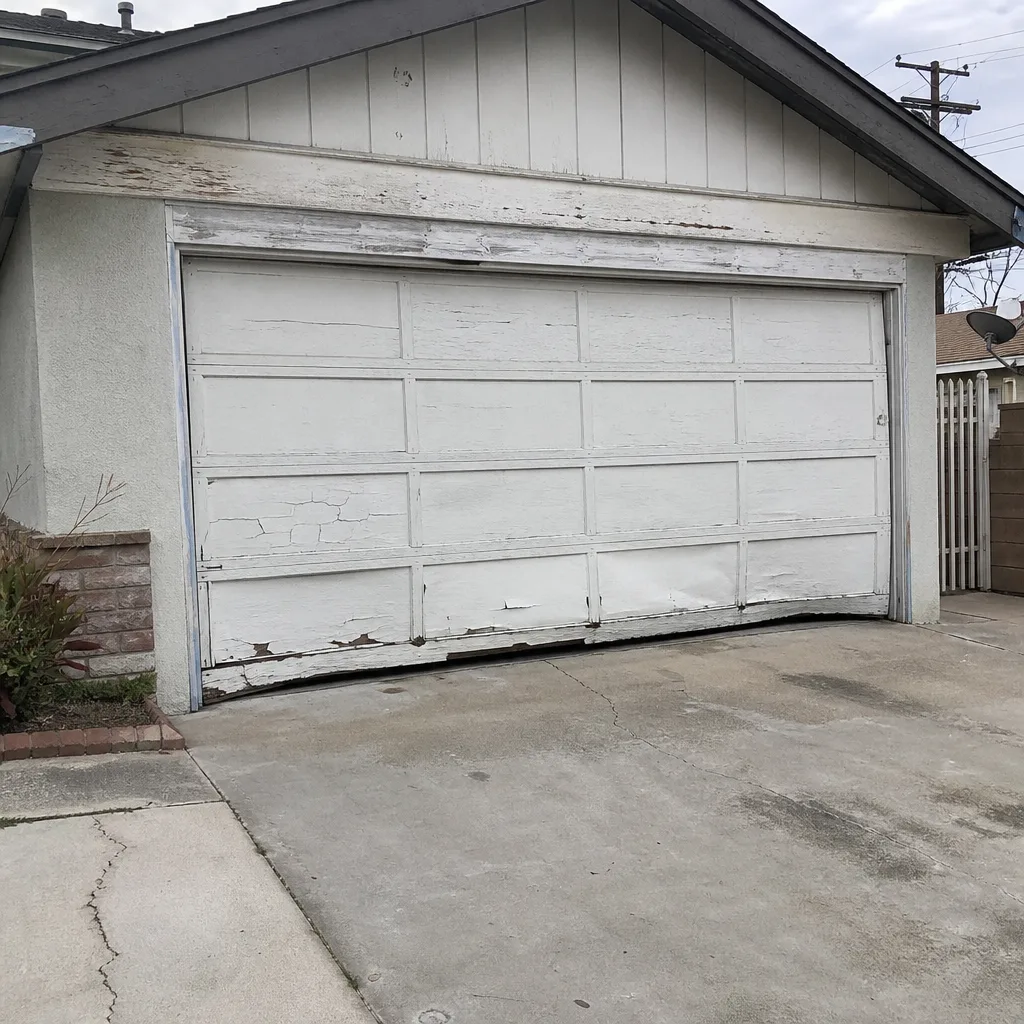 Before
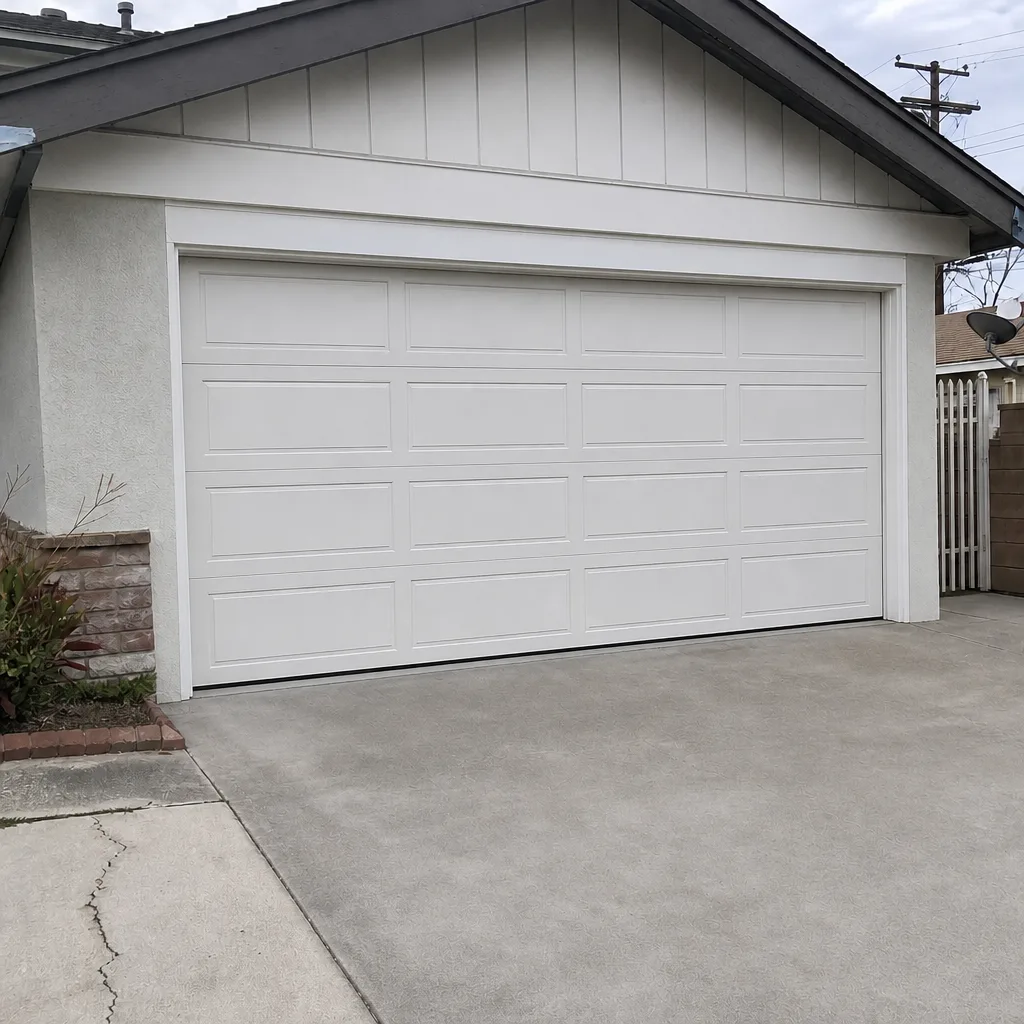 After
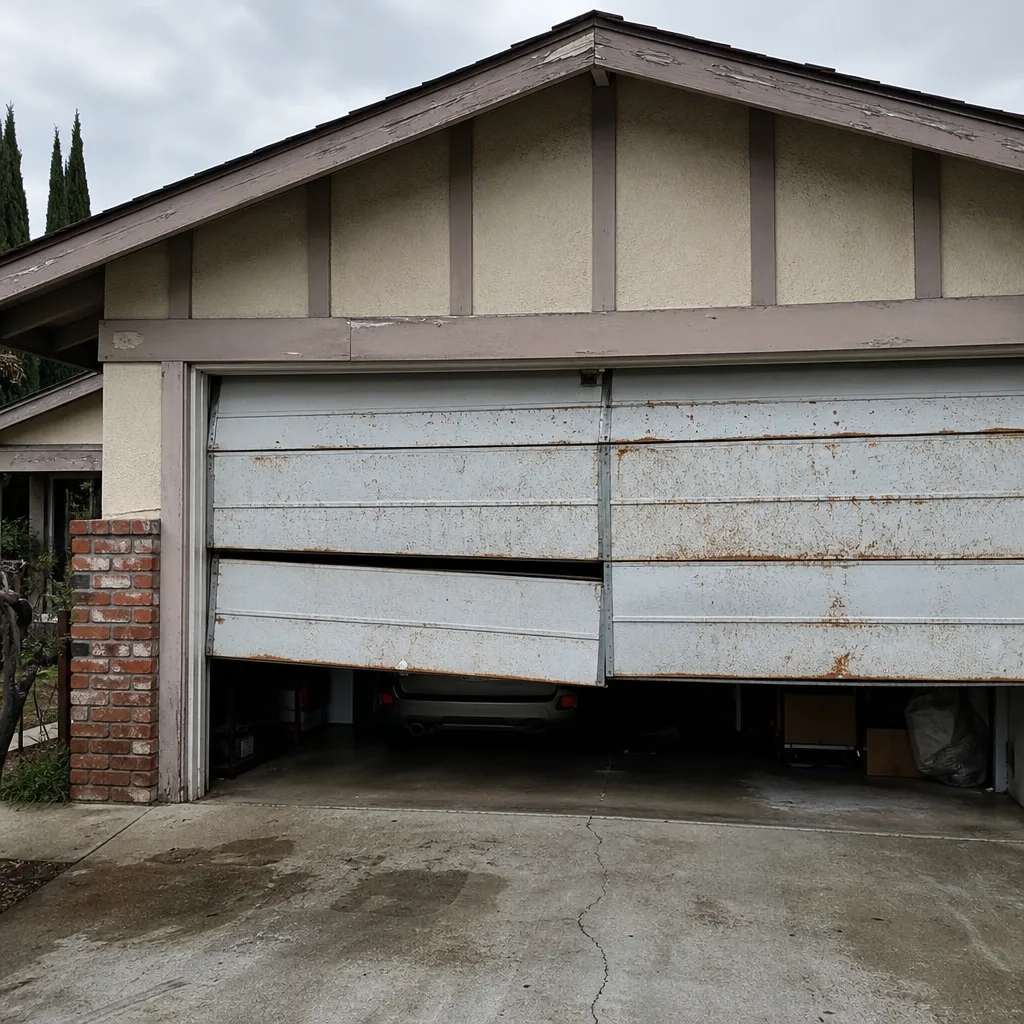 Before
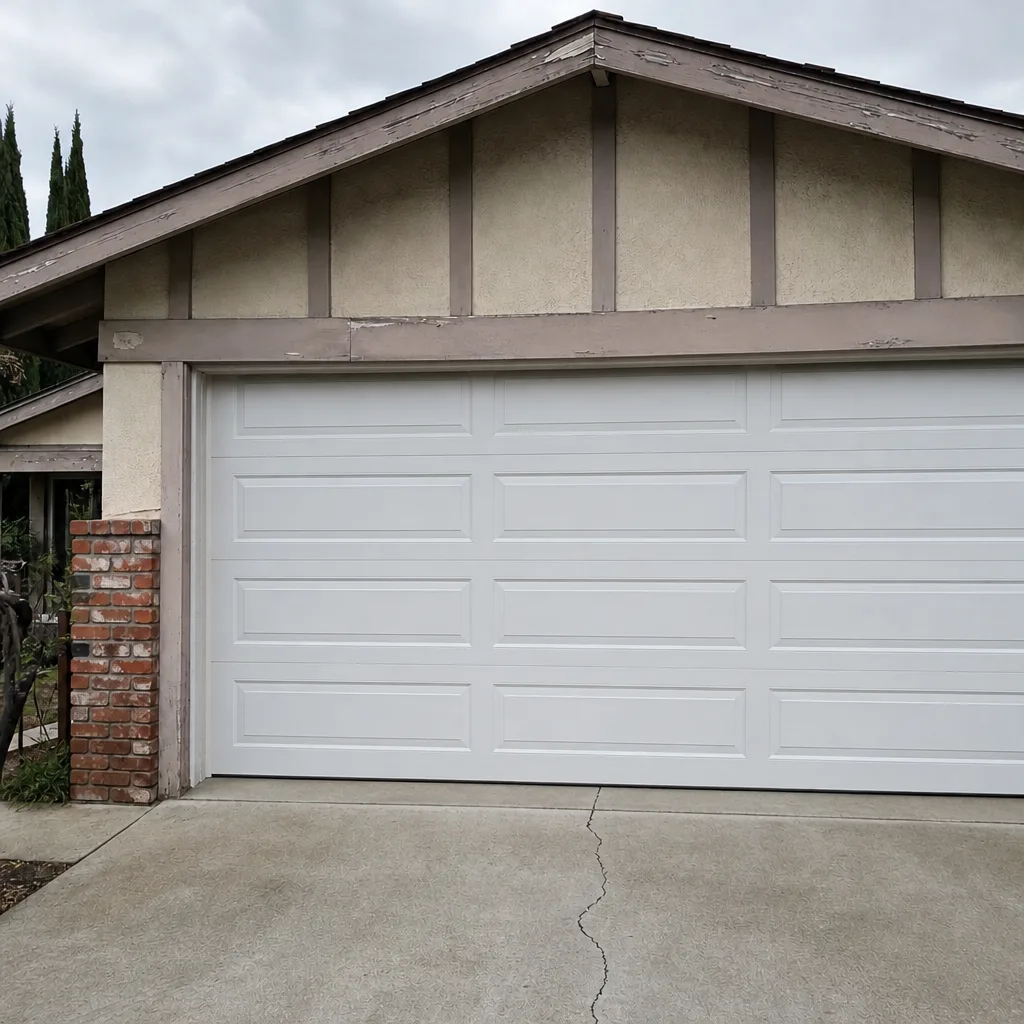 After
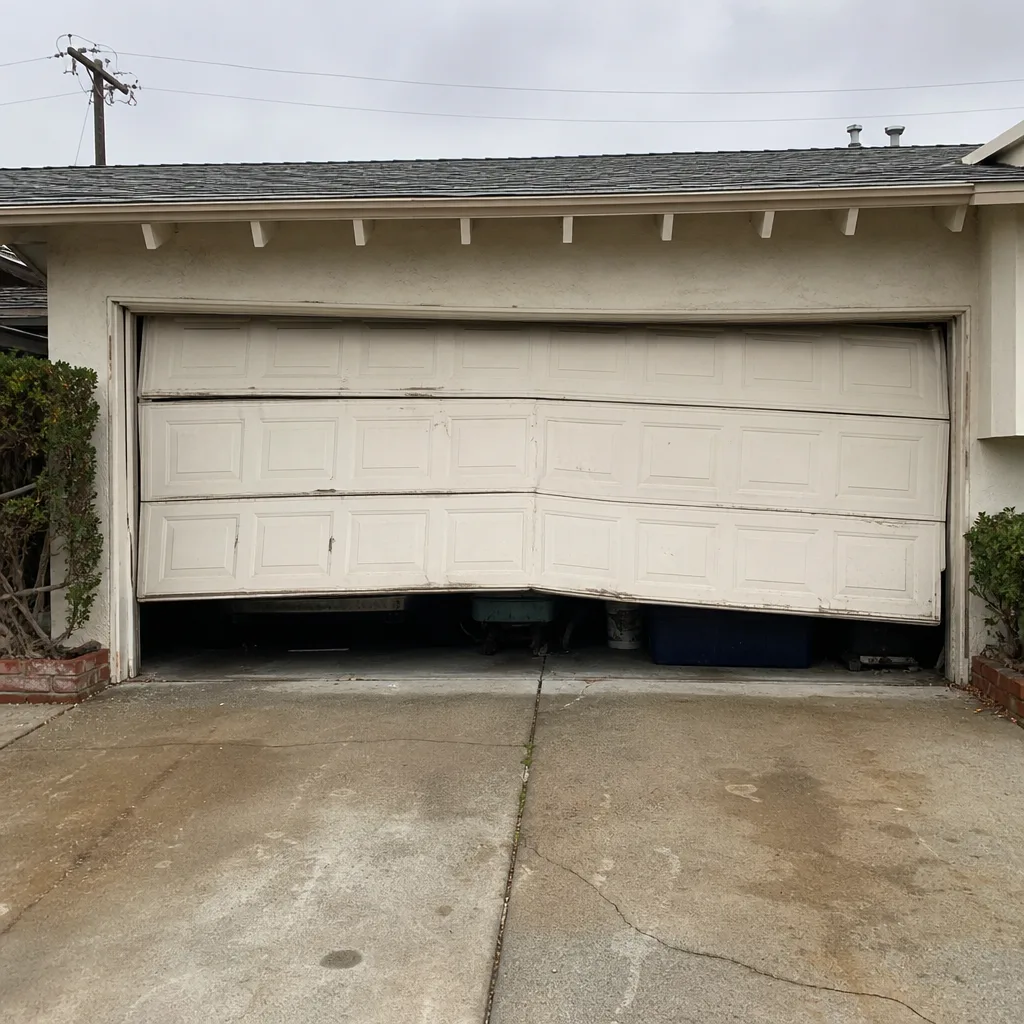 Before
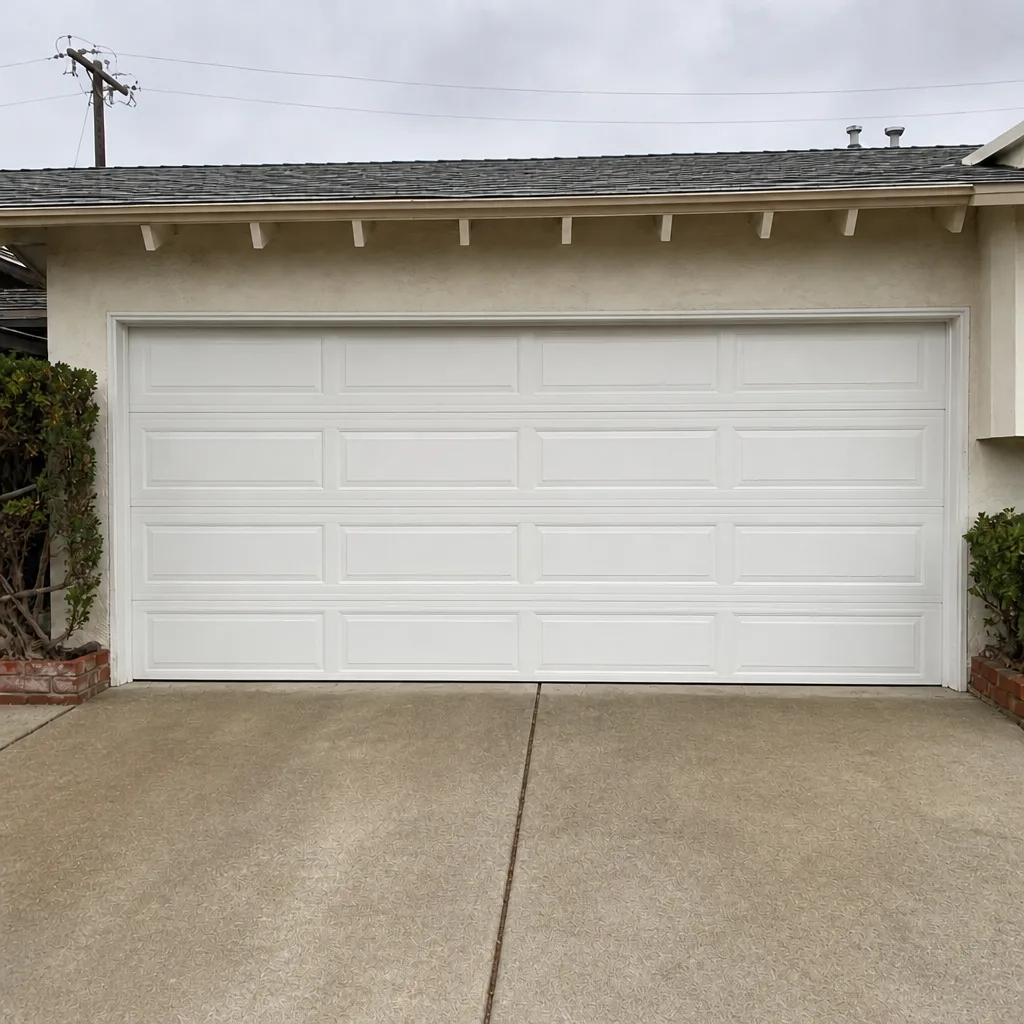 After