
Last updated November 4, 2026
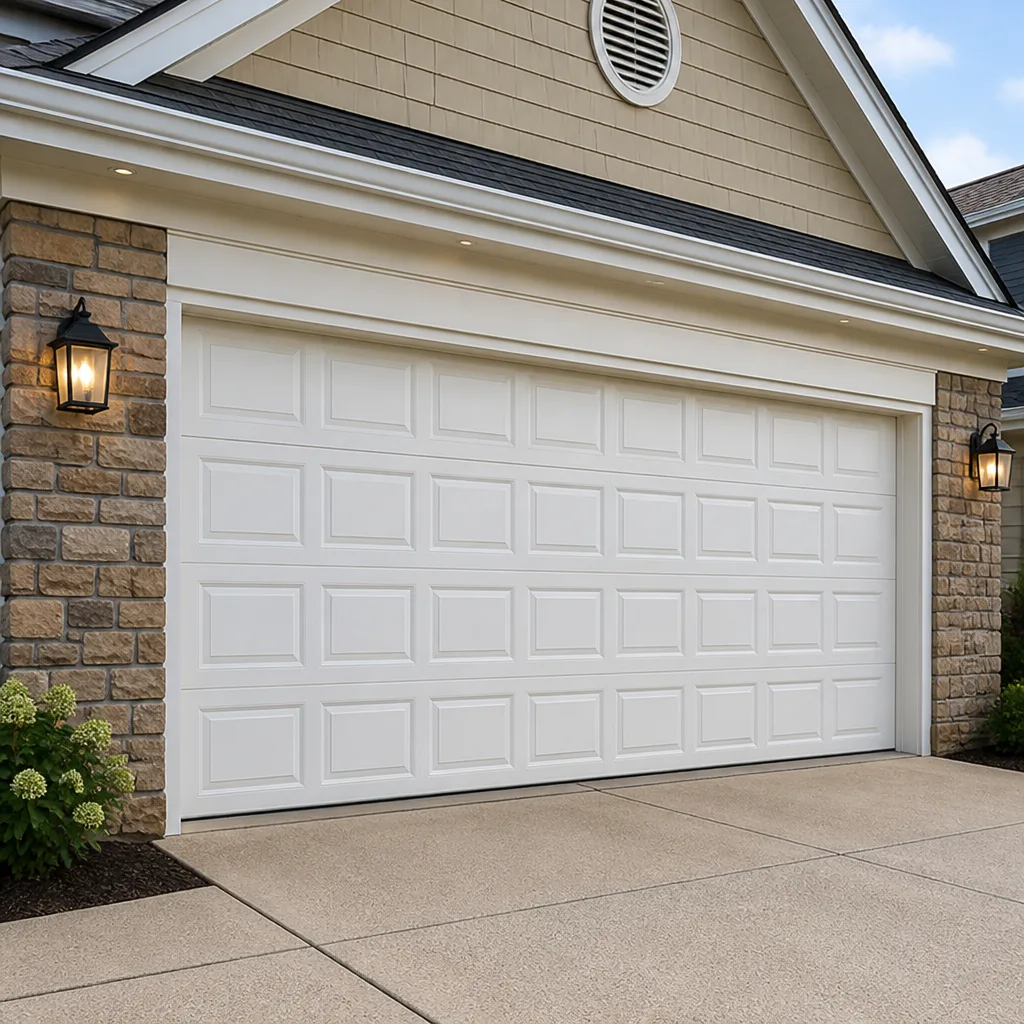 Raised-panel steel
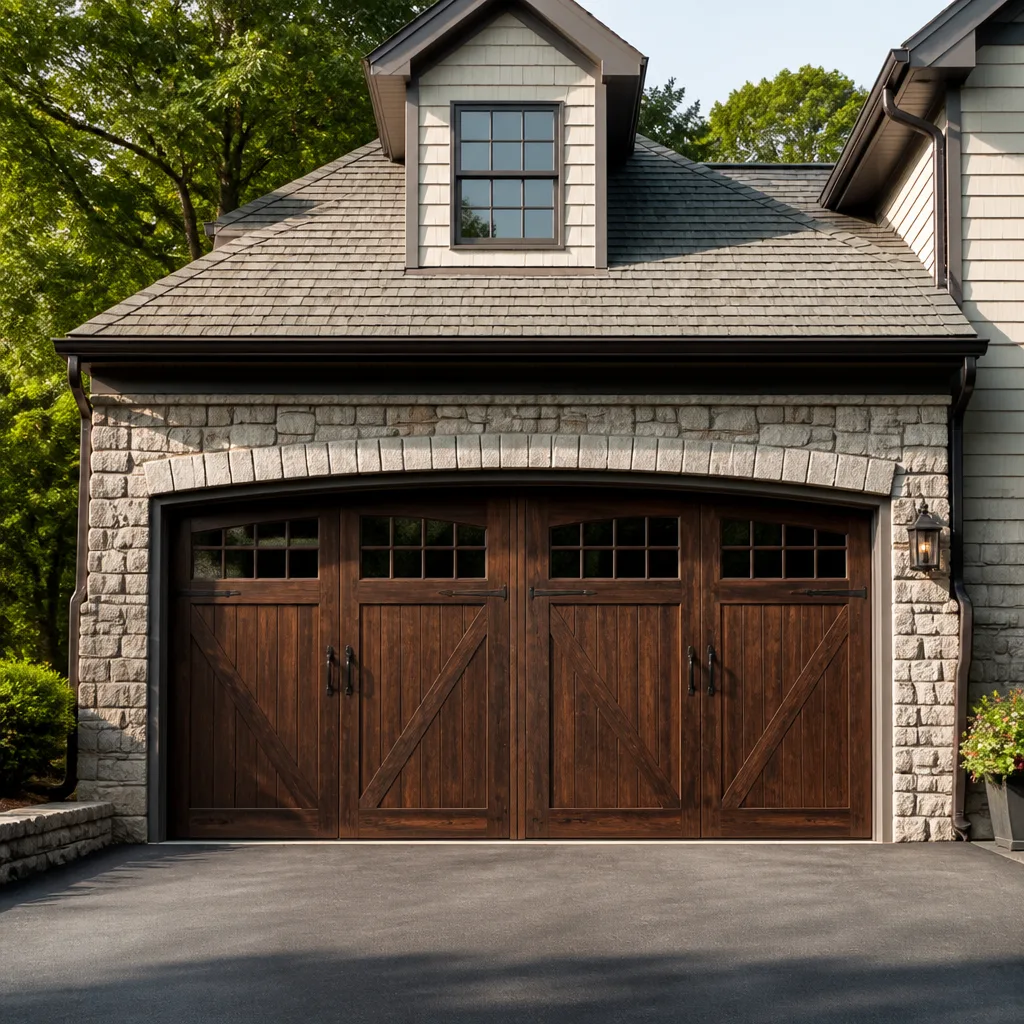 Carriage house
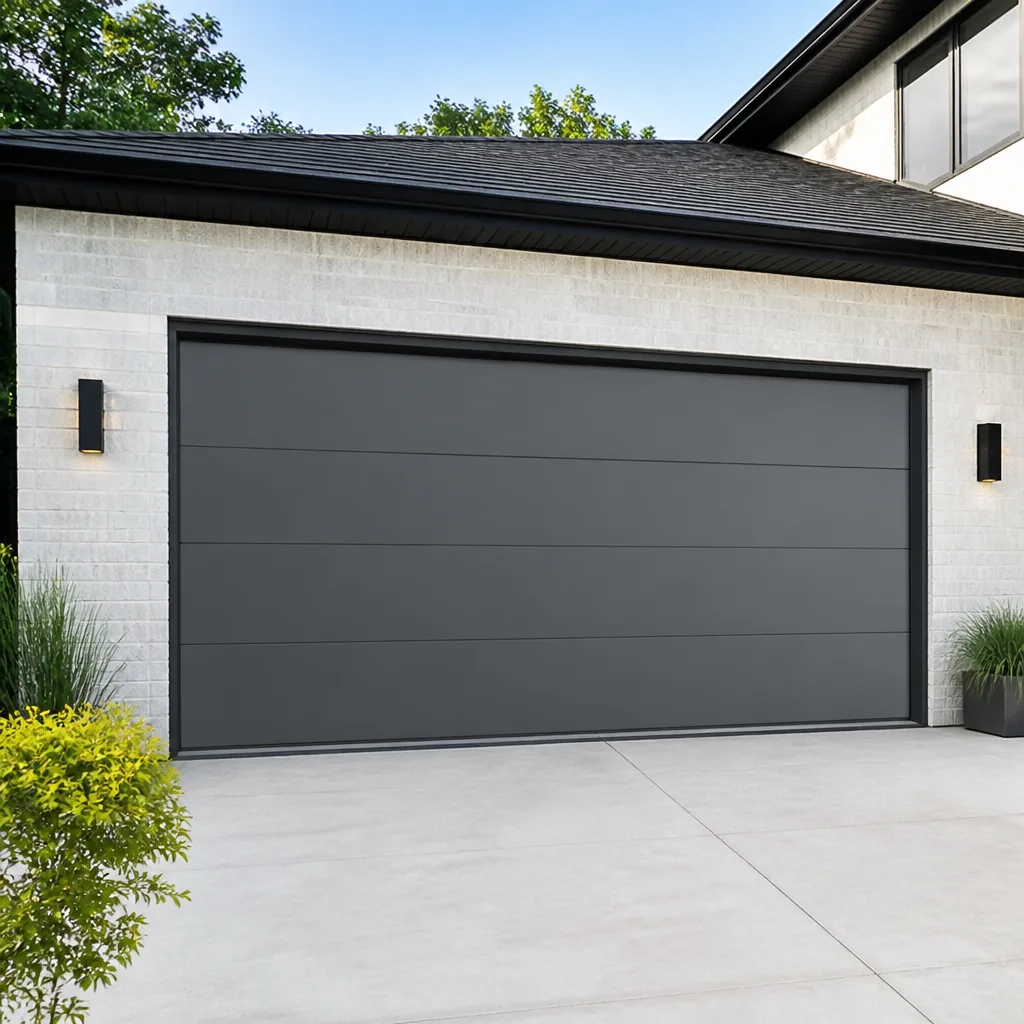 Modern flush
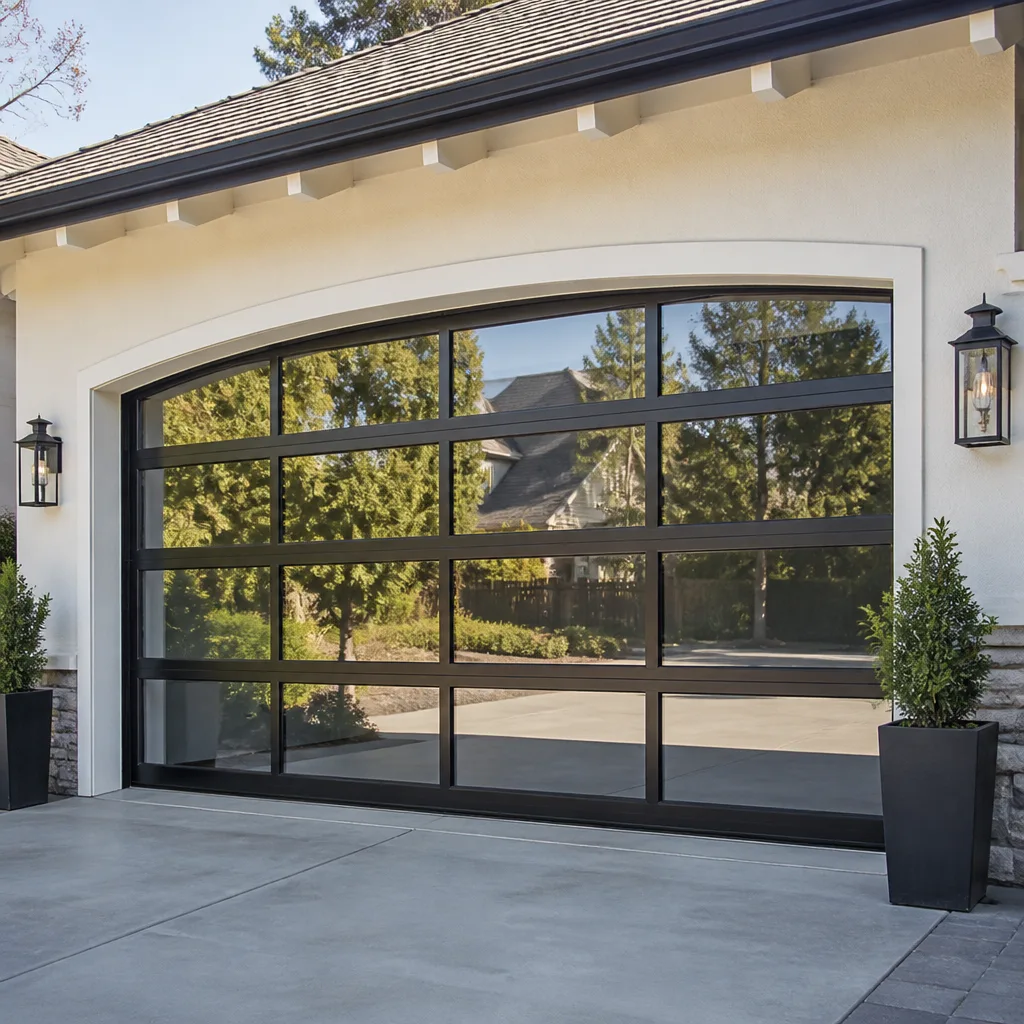 Full-view glass
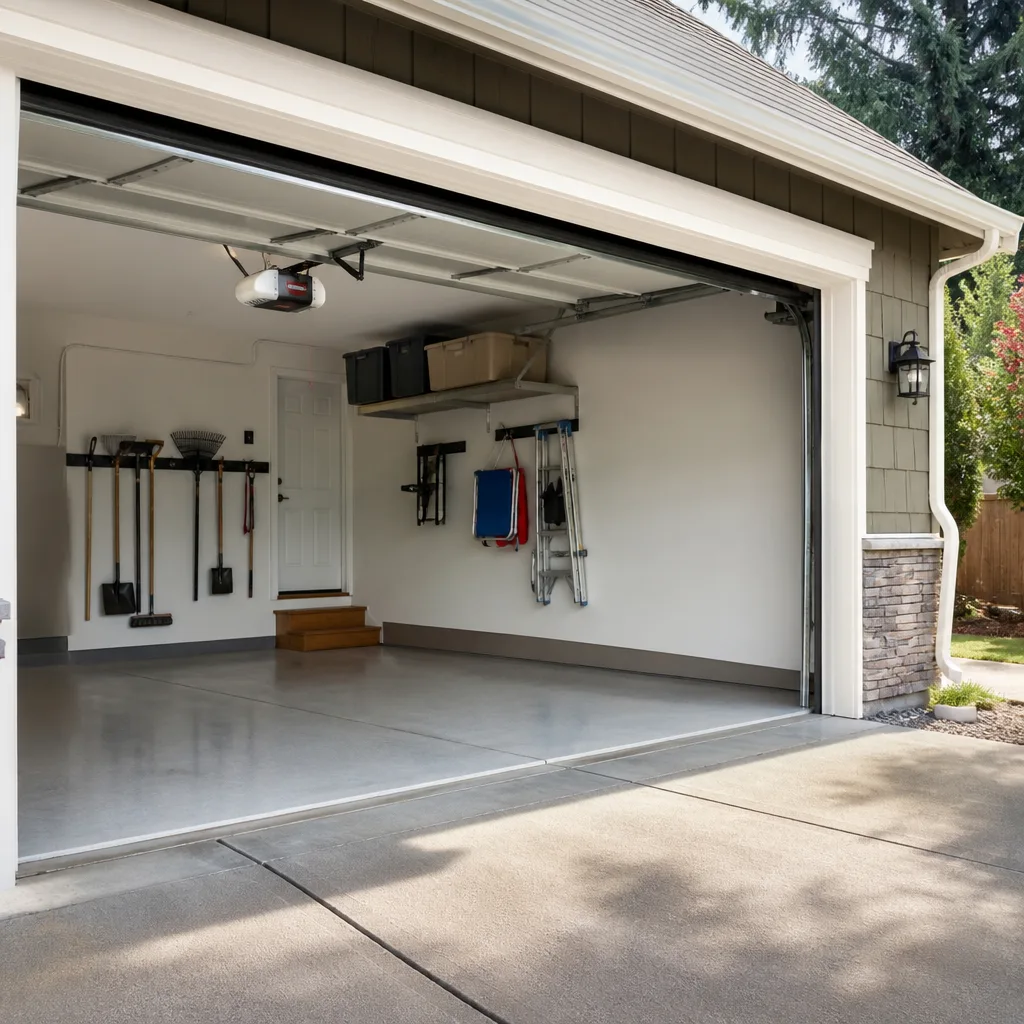 LiftMaster openers
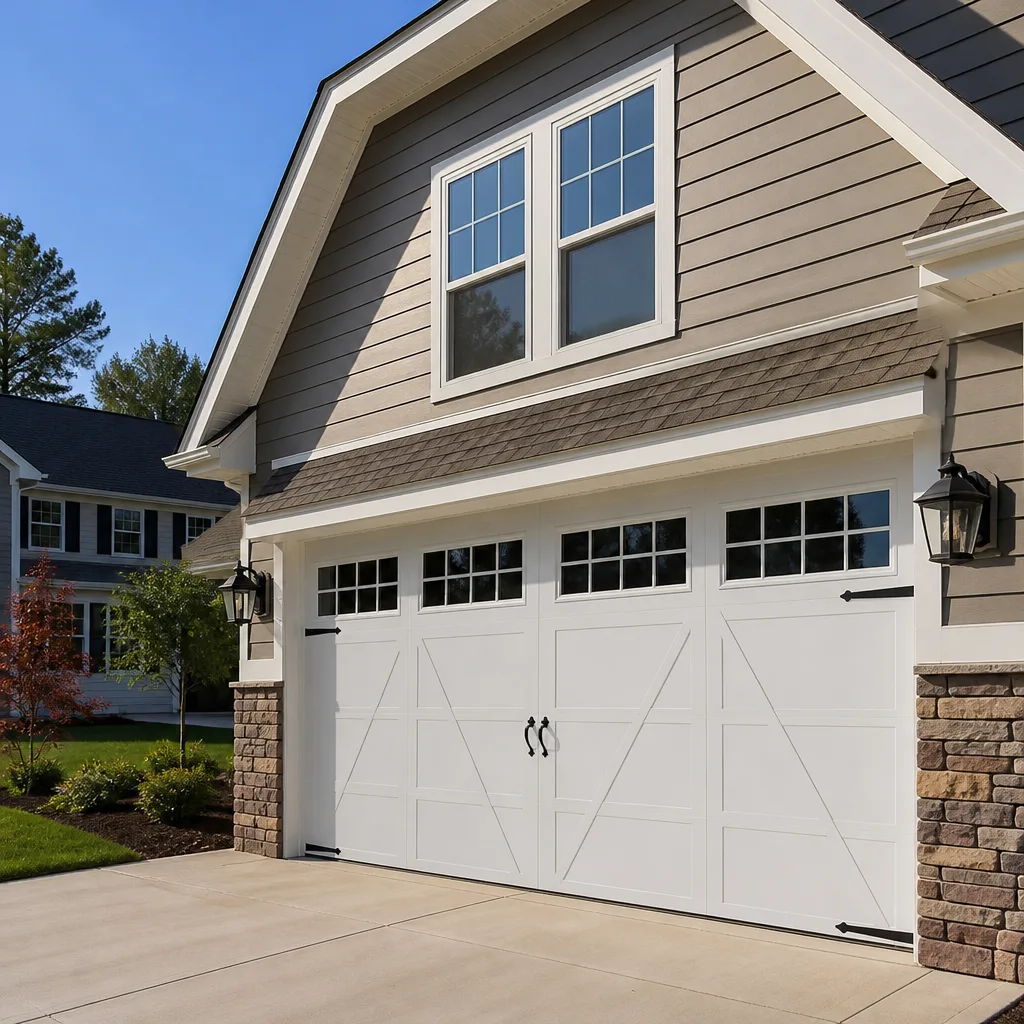 Chamberlain openers
Full 25-point door and opener safety check with every visit - springs, cables, rollers, tracks, and your LiftMaster or Chamberlain opener included
You get a price before we start. It does not change when the truck arrives.
Get your free estimateThe Complete Guide to Garage Doors in La Habra
Most La Habra homes were built between 1950 and 1975, which means the original garage framing is still in place across much of the city. That framing was designed for thin wood or fiberboard doors that weighed a fraction of today’s insulated steel units. If you’re shopping for a new door or wondering why your current one struggles, the answer often has less to do with the door itself and more to do with what’s behind the trim. This guide walks you through how La Habra’s specific housing stock, climate, and brand mix shape nearly every garage door decision you’ll make.
Styles & brands we work with
- Raised-panel steel
- Carriage house
- Modern flush
- Full-view glass
- LiftMaster openers
- Chamberlain openers
Quick Answer
A garage door in La Habra typically needs to work with framing built between 1950 and 1975, which affects header clearance, spring sizing, and track selection. The right door for your home depends on your opening’s dimensions, your exposure to inland heat, and the opener brand already mounted on your ceiling. Before calling anyone, measure your opening, check your spring type, and note your opener’s brand name.
Table of Contents
- How La Habra’s Housing Stock Shapes Garage Door Work
- Which Door Types Fit La Habra’s Most Common Openings
- La Habra Climate: Coastal Influence and Inland Heat
- Spring Sizing and Why Older Framing Matters
- Multi-Brand Opener Service: Why It Matters in La Habra
- How to Read Your Garage Before Calling Anyone
- Common Mistakes to Avoid
- When to Call a Professional
- Frequently Asked Questions
- The Bottom Line
How La Habra’s Housing Stock Shapes Garage Door Work
La Habra’s residential landscape is not uniform. The city grew in distinct waves, and each wave built garages differently. The result is that two houses on the same street can have completely different garage door requirements. We see this every week when we run garage door repair calls across the city.
The mid-century tracts from the 1950s and early 1960s are the most common. Builders then used standard 8-foot-wide by 7-foot-high openings, but the headers above those openings were often minimal. A 2×8 or 2×10 header was standard, and there was rarely any extra clearance for a modern door with thicker sections. This affects what you can install today without structural work.
The hillside homes in the northern parts of La Habra present a different challenge. These properties often have sloped driveways that meet the garage at an angle, which means the door’s bottom panel has to travel further on one side than the other. Track adjustment on these homes is rarely a bolt-on job; it requires shimming and re-leveling that flat-driveway guides never mention.
Newer construction along the eastern corridors and the areas around Westridge Golf Course generally has standard modern framing: 2×12 headers, proper clearance, and openings that accommodate insulated doors without modification. These homes rarely need the custom work that older La Habra houses require.
What this means for homeowners is simple: your address in La Habra tells us a lot about what we’ll find before we even arrive. A home near Las Lomas Elementary will likely have different framing than a home near El Portal Elementary. That local knowledge is the difference between a job that goes smoothly and one that turns into an unexpected remodel.
Which Door Types Fit La Habra’s Most Common Openings
The most common La Habra garage opening is 8 feet wide by 7 feet high, but the framing above that opening dictates what actually fits. Here’s how the main door types measure up against the housing stock we see.
Steel Insulated Doors
Steel insulated doors are the default recommendation for most homes, and for good reason: they’re durable, quieter, and hold up against La Habra’s summer heat better than anything else. But on a mid-century home with a tight header, the added thickness of an insulated door can reduce the effective opening height by half an inch or more. That half inch matters when your driveway slopes toward the garage and your car’s roofline is already close to the weather seal.
For most standard openings, a 2-inch-thick insulated steel door works fine. For hillside homes with angled approaches, we often recommend a low-headroom track system that tucks the door tighter to the ceiling. That’s a modification most La Habra homes from the 1960s benefit from.
Aluminum and Glass Doors
Full-view aluminum doors have grown in popularity in the newer La Habra developments, especially on homes with modern architectural styles. These doors are lighter than steel, which puts less strain on older springs and openers. But aluminum dents more easily, and on homes with tight driveways, a dented bottom panel is more than cosmetic – it can throw off the door’s balance and wear out rollers prematurely.
Wood Doors
Wood doors look right on some of La Habra’s older ranch-style homes, but they demand more maintenance than most homeowners expect. Inland heat beats down on a west-facing wood door, causing paint to fade and panels to warp within a few seasons. If you love the look, consider a wood-composite door or a steel door with a wood-grain finish. The aesthetic difference is minimal, and the upkeep is a fraction of solid wood.
What Actually Fits Without Structural Modification
Here’s our general rule from years of running Garage Door Service La Habra calls: if your header is a 2×8 and your opening height is exactly 7 feet, stick with a low-headroom kit or a door with standard 1-3/8-inch sections. If your header is a 2×10 or larger, you have room for a thicker, better-insulated door without touching the framing. If you’re not sure what’s above your opening, we’ll check during a free estimate.
La Habra Climate: Coastal Influence and Inland Heat
La Habra sits far enough inland that it doesn’t get the coastal marine layer the way Seal Beach or Huntington Beach do, but it’s close enough to the ocean to get occasional morning fog. That combination means your garage door faces two distinct challenges depending on where your home sits.
For homes in the southern and western parts of the city, closer to the 5 freeway and the lower elevations, summer days can push garage interiors well past 90 degrees. An uninsulated steel door turns that garage into an oven, and whatever is stored in there – paint, tools, holiday decorations – suffers. An insulated door with a polyurethane core makes a measurable difference in interior temperature, and it’s the single best upgrade for homes with south-facing or west-facing garages.
For homes in the La Habra hills and the northern neighborhoods, the heat is still present, but the bigger issue is afternoon sun exposure. A west-facing door bakes in direct sunlight from about 2pm until sunset. That heat causes steel door panels to expand and contract, which over time loosens hinges and causes the door to creak or bind. Light-colored doors hold up better under that sun load than dark ones. If you’re choosing a color for a west-facing door, lighter shades will give you fewer service calls over the life of the door.
Humidity is not a major factor here the way it is in coastal Orange County, so rust is less of an issue than it is for homes closer to the water. But dust and dry air are real. Rollers and hinges dry out faster in this climate, and that means lubrication is something you should do once or twice a year, not once every few years. It’s a five-minute job that extends the life of your hardware noticeably.
Spring Sizing and Why Older Framing Matters
Torsion springs are the component that does the actual work of lifting your door. The springs are wound to a specific tension that matches the door’s weight. When a homeowner tells us the door feels heavy or the opener struggles, the spring is usually the first thing we check.
Here’s what most guides don’t tell you about La Habra specifically: the spring size your door needs is directly tied to the framing it’s attached to. A standard spring pad on a 1950s La Habra home is often narrower than the pad on a newer home, which limits the size of the spring you can install. If you’re upgrading from an old wood door to an insulated steel door, the new door weighs more, which means the springs need to be stronger. But the stronger spring might not fit on the existing pad.
This is where a knowledgable technician makes the difference. The right fix is usually a spring conversion: moving from a single-spring setup to a double-spring setup, or replacing a fixed pad with an adjustable one. That’s not a job for a handyman who notices the spring is broken and swaps in whatever is on the truck.
A critical safety note: torsion springs hold enough tension to cause serious injury if they snap while being handled. This is one part of your garage door you should never attempt to service yourself. The spring is wound under tension, and the tools required to wind and unwind it safely are not common household items. A broken spring is a job for a trained professional, full stop.
Spring replacement in La Habra typically costs between $180 and $340 for a single spring, depending on the spring size and the door’s weight. A matched pair is usually replaced together, which means the total is roughly double that range. The exact price is set by the written estimate before any work begins.
Multi-Brand Opener Service: Why It Matters in La Habra
Walk any La Habra neighborhood and you’ll find a mix of garage door openers that spans three decades. Some homes still run original 1990s-era screw-drive units. Others have newer belt-drive openers installed in the last five years. Because the housing stock is older, many of these openers have been replaced once or twice already – and each replacement brought a different brand into the garage.
That brand mix is exactly why multi-brand service matters. A technician who only knows LiftMaster is worthless when your house has a Genie screw-drive unit from 1998. A big-box installer who replaces rather than repairs will tell you the old unit isn’t worth fixing, even when a new gear or logic board would bring it back to life for a fraction of the replacement cost.
We work on the brand you already have. That’s not a marketing line; it’s how we approach every garage door opener repair. LiftMaster, Chamberlain, Genie, Raynor – these are different machines with different drive systems, different safety sensor layouts, and different failure patterns. Knowing the difference means we can diagnose a Chamberlain belt-drive noise problem without guessing, and we can repair a Genie screw-drive carriage without ordering the wrong part.
Here’s a practical example of how it plays out in La Habra. A homeowner near La Habra High School has a 2006 Raynor opener that still works but struggles to close all the way. The photo sensors are clean, the track is lubricated, and the force settings are maxed out. A generalist says “replace it.” We open the logic board housing, find a failing capacitor, and replace the board. The opener runs for another five years. That’s repair first, and it’s the reason we carry parts for older units that other companies stopped stocking.
Garage doors are all we do. That single-trade focus means our trucks carry parts and tools for eight major brands, not a grab-bag of hardware for whatever home repair happens to come in next. When you call about your Chamberlain opener, you’re not waiting for someone to watch a YouTube tutorial in the driveway. You’re getting a specialist who has seen that exact failure mode before.
How to Read Your Garage Before Calling Anyone
Before you pick up the phone, there are five things you can check on your own. None of these require tools, and each one will make your phone call faster and more productive.
Step 1: Measure Your Opening
Measure the width and height of the actual door opening, not the door panels themselves. Write down the numbers. If your opening is 8×7, say so. If it’s 9×8 or 7×6, that changes everything about which doors and springs are available. A surprising number of La Habra garages are not actually 8×7, and the homeowner has no idea because they’ve never measured.
Step 2: Look Up at the Header
From inside the garage, look at the wall directly above the door opening. Can you see exposed framing? If the header is a 2×8, there’s a beam about 7.25 inches tall. If it’s a 2×10, it’s about 9.25 inches. If there’s drywall covering it, you can estimate by measuring from the top of the door opening to the ceiling. Less than 12 inches of clearance usually means tight header conditions.
Step 3: Check Your Spring Type
Look at the wall directly above the closed door. If there’s a long metal bar with one or two coiled springs on it, you have torsion springs. If there are two long springs running parallel to the horizontal tracks on either side of the door, you have extension springs. Write down which type you have. This matters for pricing and for understanding what’s involved in a repair.
Step 4: Find Your Opener’s Brand and Model
The brand name is printed on the motor unit hanging from the ceiling. LiftMaster, Chamberlain, Genie, and Raynor are the most common in La Habra. There’s also usually a model number on a sticker on the side of the unit. Having both handy helps us bring the right parts on the first trip.
Step 5: Note the Door’s Direction of Exposure
Step outside and look at your garage door. Which way does it face? South and west exposures get the most direct heat in La Habra, which affects material choice if you’re replacing the door. East and north exposures are shaded for more of the day and handle darker colors better.
When you call, having these five facts ready – opening size, header clearance, spring type, opener brand, and exposure – turns a vague service call into a focused conversation. That’s how you get an accurate estimate faster, and it’s how you avoid a technician showing up without the right parts.
Common Mistakes to Avoid
- Replacing the door without checking the spring pad. Many La Habra homeowners buy an insulated door, then discover the existing spring pad is too small for the heavier door’s springs. The door arrives, the job gets delayed, and the price goes up. Measure the pad first, or have a pro do it during the estimate.
- Lubricating the wrong parts with the wrong product. WD-40 is not a garage door lubricant. It cleans and then dries out, leaving your hinges and rollers drier than before. Use a lithium-based grease on hinges and a silicone spray on rollers. Never lubricate the spring coils themselves – it doesn’t help and just makes a mess.
- Ignoring a door that’s off balance. If you can lift your door manually and it doesn’t stay put about halfway up, the spring is losing tension. Running the opener with an unbalanced door wears out the motor and the gear in a matter of months. Fix the balance first, or you’ll be replacing the opener next.
- Assuming all opener brands are interchangeable. They’re not. A Chamberlain remote doesn’t talk to a Genie receiver, and a Raynor logic board doesn’t swap into a LiftMaster housing. When you mix brands, you end up with a pile of incompatible parts and a door that closes when it feels like it.
- Thinking a noisy door is just an annoyance. Grinding, squealing, or rattling is usually a symptom – a worn roller, a loose hinge, a failing gear. Letting it go means the part fails completely at some point, usually when the car is inside and you need to leave. Noises are early warnings, not personality quirks.
- DIY spring work. Torsion springs hold an enormous amount of tension, and the winding bars used to adjust them require training to handle safely. A spring that lets go while you’re working on it can break bones or worse. This is the one garage door job we tell everyone to leave alone.
When to Call a Professional
Some jobs are clearer than others. If your spring is broken, call a professional – there’s no safe way to do it yourself. If your door is off its tracks, don’t keep pressing the opener button hoping it will work itself out. If your opener makes a humming noise but the door doesn’t move, the motor is running but the drive gear is stripped; continuing to hold the button burns out the motor. If your door has come into contact with a car, the damage is often structural, and a visual inspection won’t catch everything.
For any of these situations, La Habra homeowners can get a free estimate by calling Garage Door Service La Habra at (833) 589-9397. We answer 24/7, and fast dispatch from 7am to 7pm means you’re not waiting long to get your door working again.
Frequently Asked Questions
A single torsion spring replacement in La Habra typically costs between $180 and $340, depending on the spring size and the door weight. Most doors have two springs, and they’re usually replaced as a matched pair, so expect roughly double that range. The exact price is quoted and agreed before any work starts. Call (833) 589-9397 for a free estimate.
Yes, in most cases we can dispatch a technician the same day. Fast dispatch runs from 7am to 7pm, Sunday through Friday. We answer the phone 24/7, so a call outside dispatch hours gets booked into the next opening. Call (833) 589-9397 and we’ll get you scheduled.
We repair the brand you already have. That includes older LiftMaster, Chamberlain, Genie, and Raynor units that other companies won’t touch. Repair first is how we operate – if a board, gear, or sensor can be replaced, we’ll tell you. Replacement is only recommended when the unit is genuinely beyond repair.
No. The price you’re quoted before work begins is the price you pay. The written estimate sets the final price. If we discover something unexpected once we’re inside the job, we stop and talk to you before making any changes. There’s no surprise invoice at the end.
In most cases, it’s the photo safety sensors. They’re either misaligned, dirty, or blocked. It can also be a force setting that needs adjustment or a failing logic board. The good news is that most of these are repairable without replacing the opener. A trained technician can diagnose it in minutes.
La Habra follows California building codes, and most cities require a permit for garage door replacement because the door is part of the home’s structural envelope. Rather than guess at the current requirements, ask the city’s building department. A qualified door company can usually tell you what’s needed for your specific situation during the estimate.
The Bottom Line
La Habra’s garage doors are shaped by housing stock that goes back decades, a climate that punishes west-facing doors with heat, and a mix of opener brands that reflects a generation of replacements and upgrades. Knowing your opening size, header clearance, spring type, and opener brand puts you ahead of most homeowners before you even call for help. When you do call, work with a company that repairs what you have rather than pushing a replacement, because most of the time your existing door and opener have years of life left. Garage doors are all we do, and La Habra has been our service area since 2018.
Written by the team at Garage Door Service La Habra, serving La Habra since 2018.
See the difference
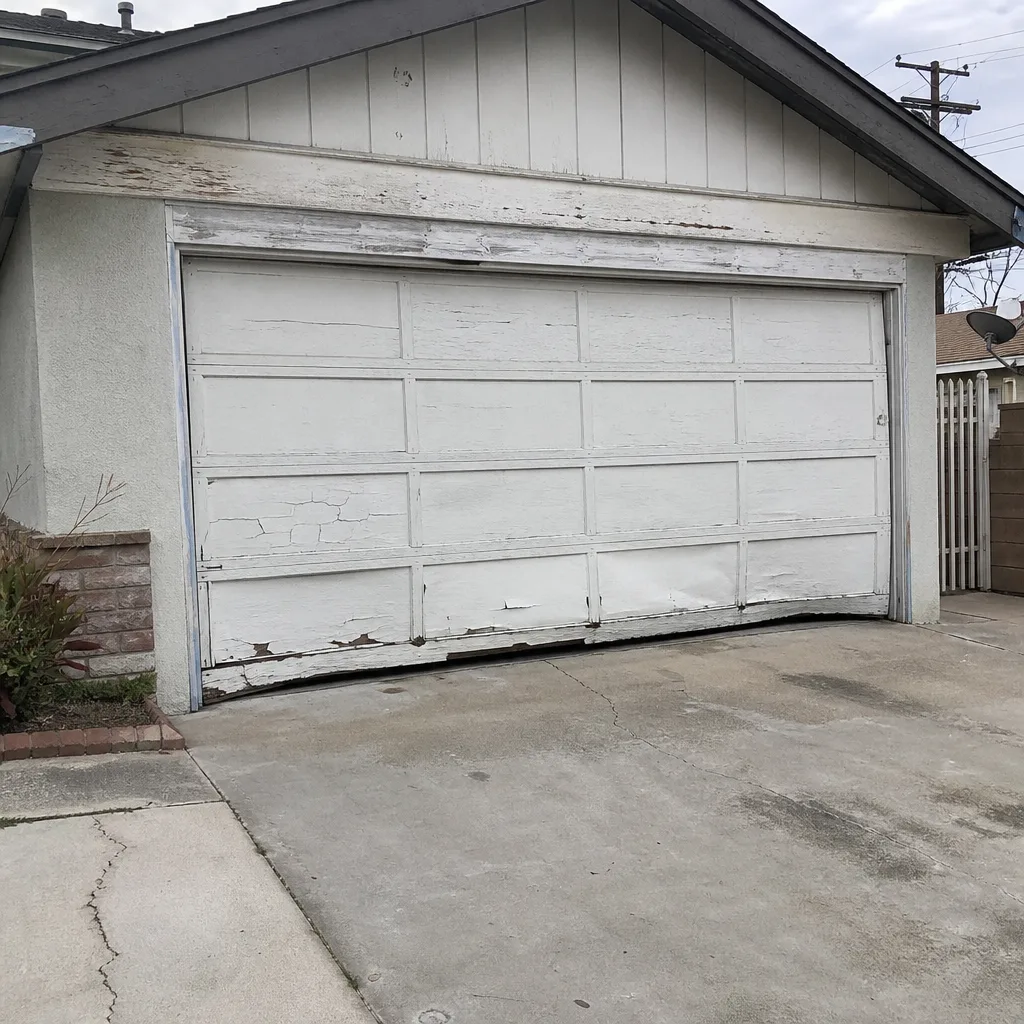 Before
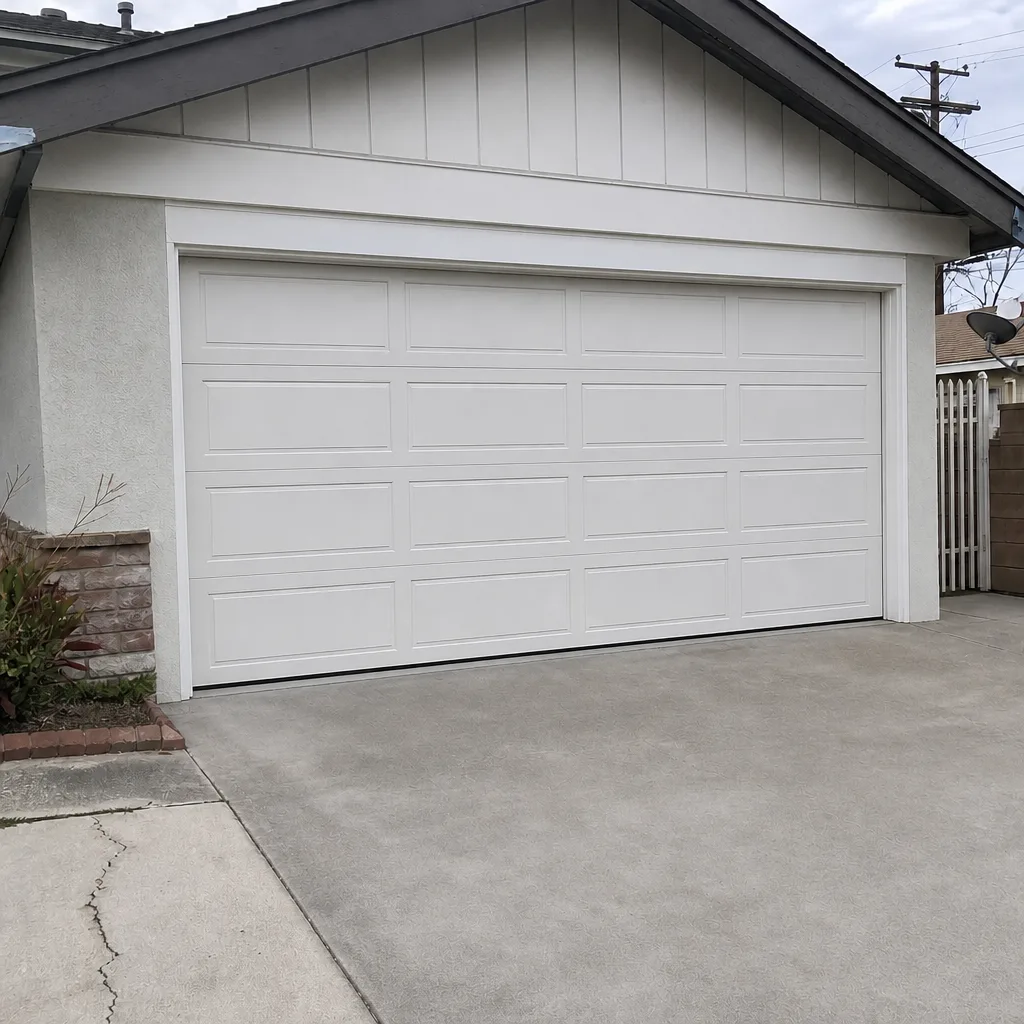 After
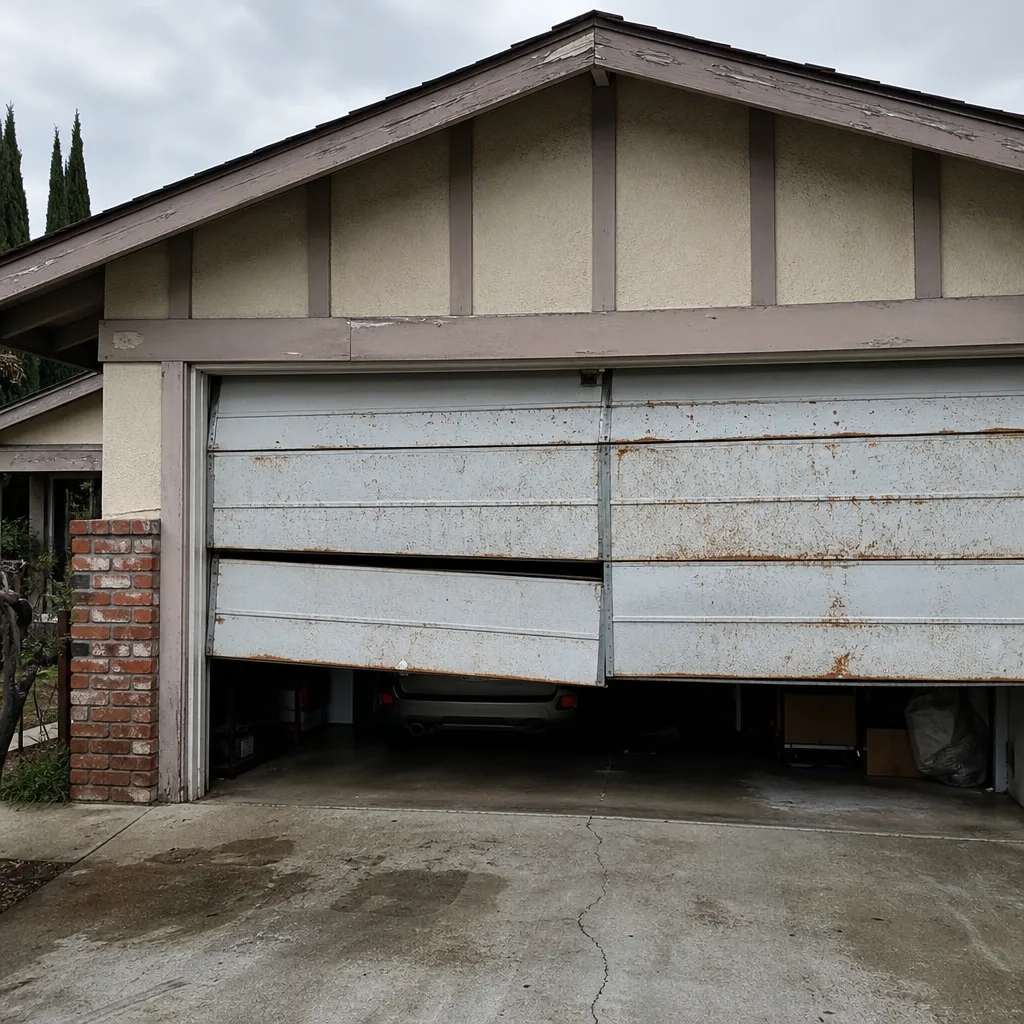 Before
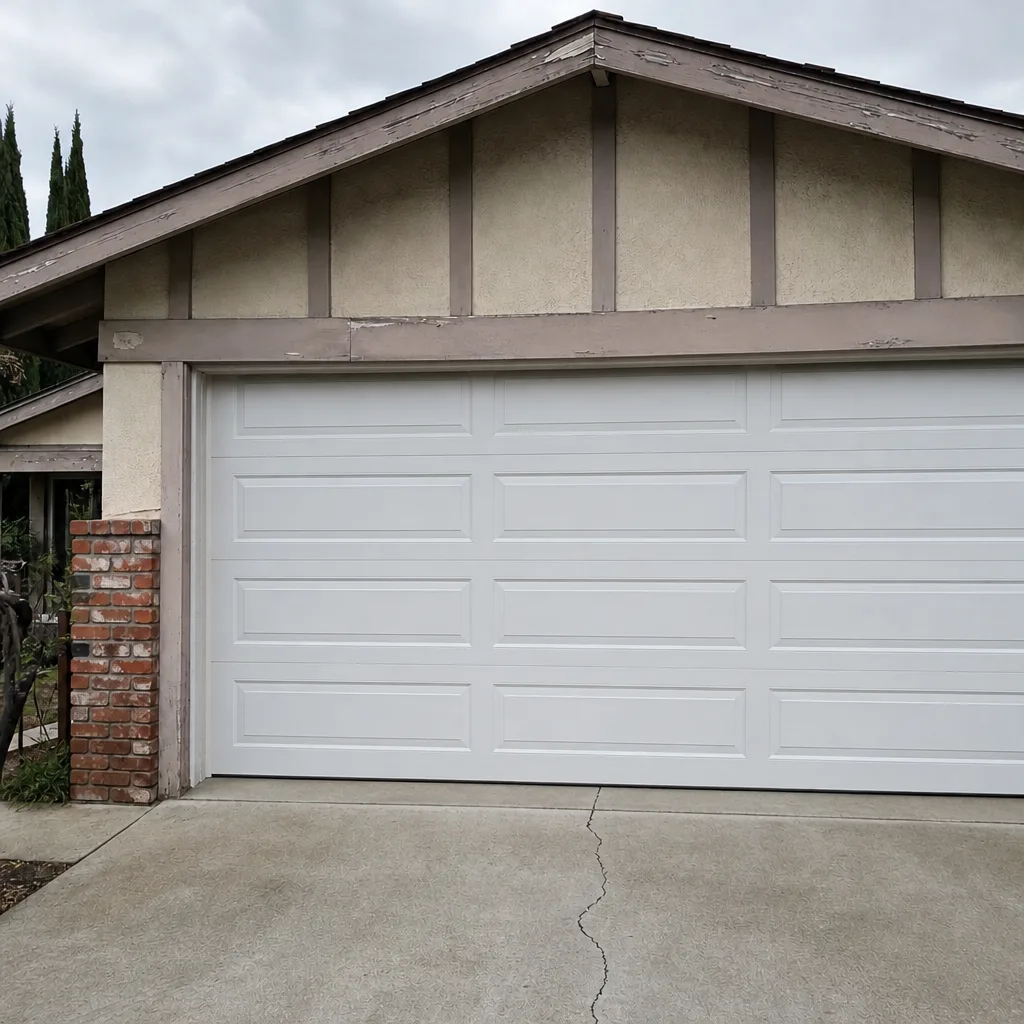 After
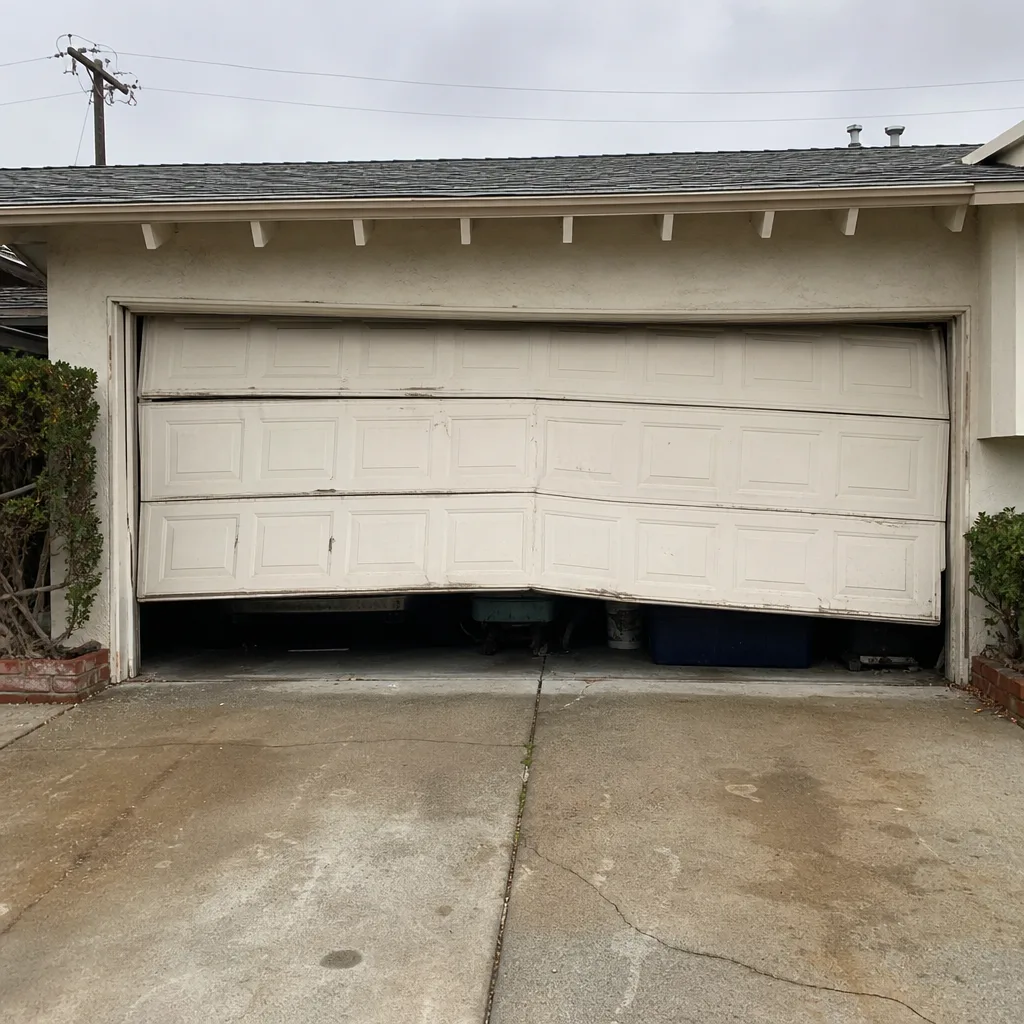 Before
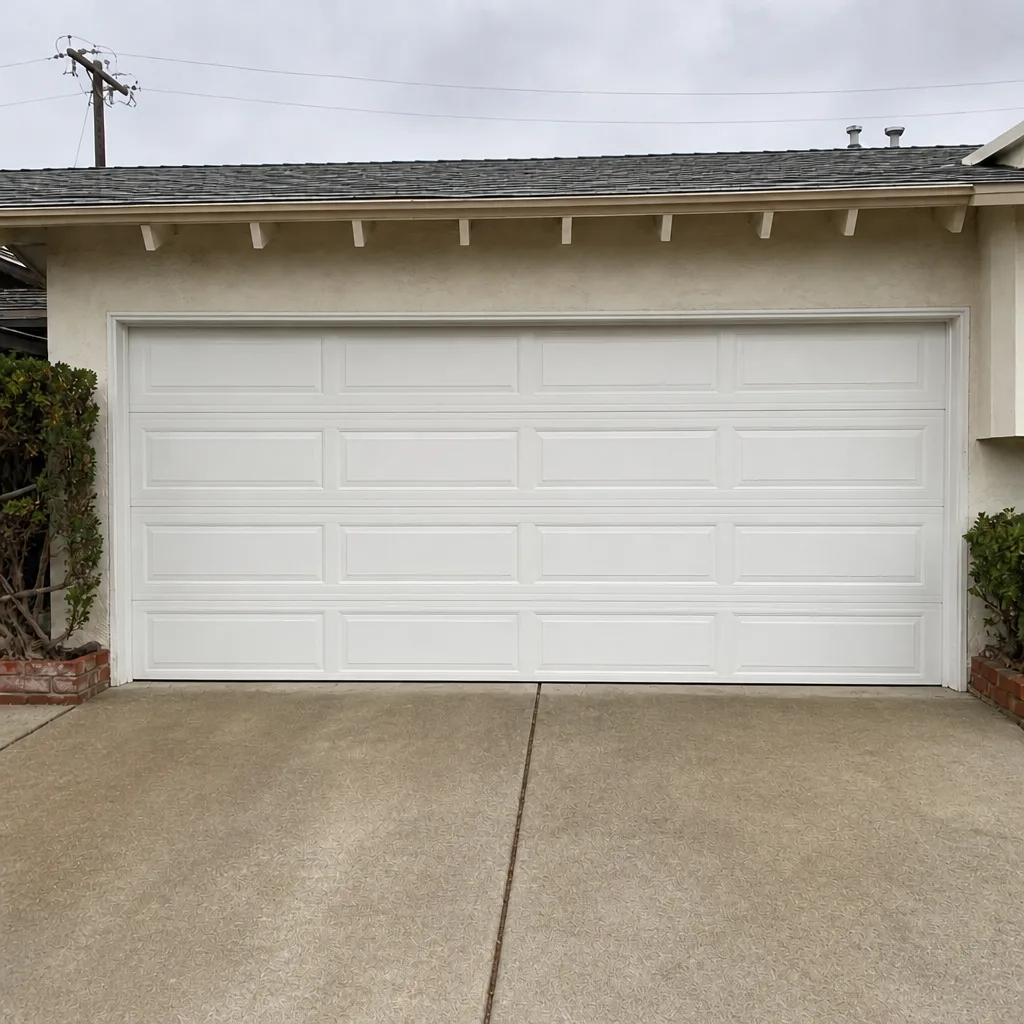 After